

“The subfamily Caprinae, also sometimes referred to as the tribe Caprini, is part of the ruminant family Bovidae, and consists of mostly medium-sized bovids. A member of this subfamily is called a caprine. Prominent members include sheep and goats, with some other members referred to as goat antelopes. Although most goat-antelopes are gregarious and have fairly stocky builds, they diverge in many other ways – the muskox (Ovibos moschatus) is adapted to the extreme cold of the tundra; the mountain goat (Oreamnos americanus) of North America is specialized for very rugged terrain; the urial (Ovis orientalis) occupies a largely infertile area from Kashmir to Iran, including much desert country. The Armenian mouflon (Ovis gmelini gmelini) is thought to be the ancestor of the modern domestic sheep (Ovis aries). The ancestors of the modern sheep and goats (both rather vague and ill-defined terms) are thought to have moved into mountainous regions – sheep becoming specialized occupants of the foothills and nearby plains, and relying on flight and flocking for defense against predators, and goats adapting to very steep terrain where predators are at a disadvantage.” ref
It appears that goats were not just domesticated once by a single community, but by several distinct communities around the Fertile Crescent.
“Domestication did not happen suddenly, but was a slow process, starting with the hunting of wild goats. Gradually, communities started herding their prey, then managing and breeding them. Judging by early signs of domestication, such as bones from the slaughter of male young, this started around 10,500 years ago in Anatolia (Turkey) and the Zagros Mountains (Iran). Neolithic sites reveal how the practices of agriculture and pastoralism spread around the region. In fact, genetic analyses of bone samples reveal that goat populations in different areas were quite distinct, as were their human herders. Therefore, we can infer that the communities shared ideas, but recruited goats from local wild populations. Not all wild animals are suitable for domestication. Humans need animals that group together, reproduce quickly, and can adapt to living in captivity.” ref
“Genes control the ability to lose the fear of humankind enough to accept feed and husbandry. Goats with those genes are the ones that became popular among herders. Even Neolithic samples from the Balkans (circa 8100 years old) contain behavior-related genes that are present in domestic goats today. Both these genes and the tur-inherited immunity gene spread throughout the Near East population, becoming common by 6,500 years ago. Tolerance of humans and resistance to parasites benefit goats having to live in confinement in large groups. Goats with such traits must have thrived, become popular, and spread between communities. Today, almost all goats bear the tur gene for parasite resistance, with the exception of a few Asian populations. As agricultural communities developed and cereals became a common staple for people and livestock, both humans and goats developed resistance to fungal toxins present in grain.” ref
“In addition to natural selection imposed by the environment and domestic management, early signs of deliberate selection are also evident in Neolithic samples. About 8,000 years ago, people were already starting to select for size, fertility, udder conformation, and color. Different communities preferred distinct coat colors and patterns. Certain features became subject to preference. For example, ancient Egyptians selected for lop ears and polled individuals. Despite later gene exchange between different regions, modern goats in Europe, Africa, and Asia still show genetic similarities to the samples from western, southern, and eastern Neolithic sites, respectively. This indicates that goats migrated across Europe from Turkey, to Asia from Iran, and to Africa from the Levant. Migrations occurred gradually as pastoralists settled into new regions. Greece and Cyprus, in the Mediterranean, reveal settlements as early as 9,000 years ago.” ref
“Colonists scattered in groups along the coast and, little by little, locals chose to adopt their farming practices. Farming communities in Greece and Bulgaria started up by around 6,500 years ago. Goats and farming spread northwards along the Danube to reach western Europe and Scandinavia by 4,000–5,000 years ago. A Mediterranean route brought goats to Italy and Spain around 7,500 years ago. Goats from the Levant migrated to Africa, crossing the Sinai to North Africa 7,000 years ago. Mediterranean travelers also brought goats to the northern African coast. The grasslands of the Sahara allowed pastoralism to thrive before desertification drove herders south, reaching South Africa by 2,000 years ago. Goats from the eastern Fertile Crescent crossed the Khyber Pass into the Indian subcontinent, then traveled over land and by sea to southeast Asia. Migrants over the Eurasian Steppe brought goats to Mongolia and China by 4,500 years ago.” ref
“A goatherd is one who herds goats, similar to a shepherd who herds sheep. A herder or herdsman is a pastoral worker responsible for herding, i.e., the care and management of a herd or flock of domestic animals. It is particularly associated with nomadic or transhumant management of stock.” ref
“The mouflon (Ovis gmelini) or moufflon is a wild sheep native to Cyprus, two separate parts of Turkey, Armenia, Azerbaijan, Georgia and Iran. It also occurs in parts of Europe and is thought to be the ancestor of all modern domestic sheep breeds.” ref
“Sheep are among the first animals to have been domesticated by humans. Their history goes back to between 11,000 and 9,000 BCE, when humans domesticated the wild mouflon in ancient Mesopotamia. The first sheep were primarily raised for meat, milk, and skins. Woolly sheep began to be developed around 6,000 BCE. They were then imported to Africa and Europe via trading. Herding is used in agriculture to manage domesticated animals.” ref
“Goat evolution is the process by which domestic goats came to exist through evolution by natural selection. Wild goats — medium-sized mammals which are found in noticeably harsh environments, particularly forests and mountains, in the Middle East and Central Asia — were one of the first species domesticated by modern humans, with the date of domestication generally considered to be at least 8,000 BCE or around 10,000 years ago (with some pushing that back to 11,000 years ago). It is commonly held that the earliest domestication was of the bezoar ibex in the Zagros Mountains. These earliest domesticated goats were used to produce meat and milk for Neolithic farmers, along with providing many of the materials required to build residences and tools. Following the domestication of goats over 300 breeds have been established for a variety of purposes, including for the maximization of milk production and for meat. Domestication and the selective breeding which resulted had a significant effect on the direction of goat evolution, with goats developing behavior which is considered to have been influenced by consistent proximity to humans. Selective breeding also significantly increased the physical diversity of modern goats, producing characteristics not seen in wild goats.” ref
“The wild goat (Capra aegagrus) is a goat species, inhabiting forests, shrublands and rocky areas ranging from Turkey and the Caucasus in the west to Iran, Turkmenistan, Afghanistan, and Pakistan in the east. It is thought to be the ancestor of the domestic goat (C. hircus).” ref
“The bezoar ibex (Capra aegagrus aegagrus) is a wild goat subspecies that is native to the montane forested areas in the Anatolia, Caucasus and the Zagros Mountains (spanning Iran, northern Iraq, and southeastern Turkey). The goat populations on some Aegean islands and in Crete were introduced during the prehistoric period and constitute relict populations of the domestic goat (Capra hircus) that are now feral. The bezoar ibex is one of the domestic goat’s progenitors.” ref
“Agriculture is the practice of cultivating the soil, planting, raising, and harvesting both food and non-food crops, as well as livestock production. While humans started gathering grains at least 105,000 years ago, nascent farmers only began planting them around 11,500 years ago. Sheep, goats, pigs, and cattle were domesticated at least by 10,000 years ago in the Middle East. Agriculture was a key factor in the rise of sedentary human civilization, whereby farming of domesticated plants and animals created food surpluses that enabled people to live in cities.” ref
“A path for thinking differently about the archaeology of urbanization, one that is explicitly rooted in social zooarchaeology. The researchers argue that studies of early urbanism have failed to account for the multispecies nature of cities. To develop a framework for thinking about the role of animals in urbanization, researchers draw on the concept of affordances. Researchers argue that explicit engagement with animal affordances offers a means of developing a new methodological toolkit for social zooarchaeological research. By focusing in particular on behavioral affordances to explain how the sociality of herds underpins the world’s first cities. A case study based on zooarchaeological analysis conducted at the site of Hamoukar in northern Mesopotamia illustrates the potential of a multispecies approach to the world’s first cities. The goal is to reinvigorate archaeological studies of urbanism and urbanization by opening up space for thinking differently about the social foundations upon which cities were built.” ref
“For over a century, archaeologists have been working to understand how and why cities arise. Explanations for the origins of cities have tended to fluctuate with the theoretical winds of the discipline, but the question of urbanization has been bypassed by archaeologists interested in post-humanism, the animal turn and alternative ontologies. In this paper, I argue that a focus on the non-human world—and specifically on the behavioral affordances of herded caprines (i.e. sheep and goats)—might provide productive new avenues for thinking about urbanization. The herding of ungulates has given shape to human–animal relationships in many parts of Africa, Eurasia, and South America for millennia. As such, the goals and methods of ungulate husbandry have been the subject of intense archaeological and, particularly, zooarchaeological focus.” ref
“The usual zooarchaeological approach to explaining herding focuses on one particular end goal: the identification of an economic product (labor, milk, meat, hair) for which the animals were raised. This approach, however, radically constricts the scope of zooarchaeological analysis. The pursuit of an end-point product as explanation, as if this identification exhausts the possibilities of the evidence, has kept us from asking other kinds of questions. It is clear that the act of herding itself is important and transformative for both people and animals. However, there are many more questions that can and should be asked about herding dynamics beyond the economic value of the animals’ bodily outputs. By drawing on two bodies of work that have rarely been brought into conversation with one another: social zooarchaeology and the archaeology of urbanization. Social zooarchaeology as a theoretical approach draws on the animal turn in the social sciences, itself an outgrowth of both the ontological turn and post-humanism.” ref
“The animal turn raised new questions that encourage us to think differently about animals. Should we view animals, for example, as a source of calories, raw materials and labor for human use, or, instead, as co-producers of the worlds we inhabit? The animal turn would have us take the latter perspective seriously. While social zooarchaeology has tackled some of the big questions in archaeology, such as domestication, it has not yet been part of the broader discussion about how and why cities develop. To rectify this, researchers take up the call issued by Naomi Sykes in her Beastly Questions: Animal answers to archaeological issues for zooarchaeology to tackle more actively the big unanswered questions in the field. Researchers chart a path for thinking differently about the archaeology of early cities, one that is explicitly rooted in a social zooarchaeology and, therefore, in a multispecies explanatory framework.” ref
“Researchers argue that studies of the first cities have failed to account for the multispecies nature of cities and animals as co-creators of urban space. To develop a framework for thinking about the role of animals in urbanization, researchers draw on the concept of affordances. By arguing that explicit engagement with animal affordances offers a means of developing a new methodological toolkit for social zooarchaeological research. Researchers focus in particular on behavioral affordances to explain how the sociality of herds underpins the world’s first cities. A case study based on zooarchaeological analysis conducted at the site of Hamoukar in northern Mesopotamia illustrates the potential of a multispecies approach to the world’s first cities. Researchers’ goal is to reinvigorate studies of urbanism and urbanization by opening up space for thinking differently about who builds and inhabits cities.” ref
Here are important questions to ponder: “What if the origins of urbanism in ancient southwest Asia might be found in the new, multispecies socialities that emerged in the context of large-scale caprine pastoralism? That is, what if the unique social dynamics of sheep and goat herds helped humans create the world’s first cities?” ref

“Körtiktepe or Körtik Tepe is the oldest known Neolithic archaeological site in Turkey. Together with Tell Mureybet and Tell Abu Hureyra in northern Syria, Körtiktepe is one of the only three securely dated Younger Dryas sedentary sites in Upper Mesopotamia. The habitation of the site began in the first half of the 11th millennium BCE, approximately 10700 BCE (12,700 years ago), and persisted with consistent density until approximately 10400 BCE. Analyses of human tooth enamel indicate that the inhabitants of the Younger Dryas occupations at Körtiktepe were born and grew up in or near the site. Although a potential minor flooding event transpired during the transition from the Younger Dryas to the Early Holocene, the site endured without evident abandonment, at least not for a prolonged interval. Occupation continued and thrived during the Early Holocene. The architectural tradition of constructing round plans established around 10400 BCE and continued without any fundamental alterations until the eventual desertion of the site. The site reached its peak in terms of occupation density around 9300 BCE. Subsequently, it experienced an unexplained abandonment, possibly attributed to natural disturbances such as flooding induced by the Holocene climate changes. Incised bone pendants and stone vessels with art somewhat similar to Iran with curved horned animals that may represent wild Goat or Sheep.” ref

The Ibex “wild goat” as an Iconographic Symbol in the Ancient Near East
“The study of pottery design on hundreds of extant examples from the ancient Near East reveals the early popularity of one particular animal—the ibex. The treatment that this animal received on pottery from a wide number of Near Eastern sites, over a span of a thousand years, gives a clear picture of its reverential status, as well as providing us with possible clues toward a cosmology for the people of the ancient Near East. A brief review of the ibex’s appearance on Palaeolithic bone carvings demonstrates the longevity of this animal’s role as a cultural symbol, and, finally, the ibex’s demise in the fourth millennium B.C. marks a turning point in the cultural life of Near Eastern society.” ref
“Almost 90 percent of Iran’s rock art consists of the ibex motif. The ibex for the prehistoric inhabitants of what is now known as Iran appears to have received the same apotheosis as the eland for the San in what is now known as South Africa. Rock art is one of the oldest legacies of humankind. One could argue that rock art is the basis of a writing system, conveying cultural messages, beliefs and myths. The ibex would have been a source of meat and secondary products such as horn and hide. Archaeological evidence shows that it was hunted in Iran from the Middle Paleolithic period onwards, at the Warwasi and Yāfte Cave (38,000-29,000 BCE) sites where it was the dominant species represented. Studies of horn cores from the early Neolithic sites of Tappe ʿAli Koš and Tappe Sabz indicate that ibex were being hunted in the late 8th and 7th millennia BCE. The ibex motif went on to be incorporated into decorative friezes on painted pottery in pre-Islamic Iran. The elegantly stylized ibex appears as a decorative motif on Chalcolithic pottery – in Luristan at Čeḡā Sabz, Se Gābi and Tappe Giān – with long, curving horns and a characteristic beard. Long-horned caprids, many of whom may be ibex, appear on pre-Islamic stamp and cylinder seals all over Iran. An ibex-headed figure – possibly a human wearing the horns of an ibex – appears in the guise of the ‘master of animals’ on stamp seal impressions from Susa dating to ca. 4000 B.C.E. Middle Elamite, Neo-Assyrian, provincial Neo-Assyrian, and Neo-Elamite cylinder seals from Čeḡā Sabz and Sorḵ Dom-e Lori in Luristan illustrate hunters with bow and arrow shooting leaping caprids. The symbolic and/or religious significance of the ibex in pre-Islamic Iran is unclear, although some argue that it was integral to a pre-Islamic creation narrative. According to the Zoroastrian – ‘Zarathusti’ in Persian – cosmogony, ‘Mashya and Mashyana’, or ‘mašyā and mašyānē’, were the first man and woman whose procreation gave rise to the human race. According to Mohammad Naserifard [pictured], it was the ibex that was chosen as the symbol of divine assistance. With the ibex carvings in the rock art sites of ancient Persia, this may have represented an over-riding belief in, and request for, the provision of water, the guarantee of fertility and birth, and a Divine – ‘hu’ – blessing and protection.” ref

“The bezoar ibex (Capra aegagrus aegagrus) is a wild goat subspecies that is native to the montane forested areas in the Caucasus and the Zagros Mountains.” ref
Traces of goat domestication in the Zagros Mountains
“Using a different criterion, that of when herds first show signs of human management, Dr. Zeder finds that goats and sheep were first domesticated about 11,000 years ago, much earlier than previously thought, with pigs and cattle following shortly afterwards. The map, from her article in the August 11 issue of the Proceedings of the National Academy of Sciences, shows the regions and dates where the four species were first domesticated. Other dates, color-coded as to species, show where domesticated animals first appear elsewhere in the Fertile Crescent. The earlier dates mean that animals were domesticated at much the same time as crop plants, and bear on the issue of how this ensemble of new agricultural species – the farming package known as the Neolithic revolution – spread from the Near East to Europe.” ref
“Researchers report early evidence of goat domestication in Iran’s Zagros Mountains. The initial domestication of several species, including goats, occurred in the Fertile Crescent during the Aceramic Neolithic Period, around 9600-7500 BCE. However, the regional centers of such domestication remain unclear. Kevin G. Daly, Melinda Zeder, Daniel Bradley, and colleagues combined ancient genome sequencing and archaeozoological evidence from two sites in the central Zagros Mountains to trace the domestication of the goat (Capra aegagrus hircus) from the wild bezoar goat (Capra aegagrus). The two sites, Ganj Dareh and Tepe Abdul Hosein, are located in present-day western Iran, and radiocarbon dating indicates that the sites were occupied between 8200 and 7600 BCE. The authors sequenced DNA from bone samples and compared the sequences with modern and ancient goat genomes. The results suggest that initial goat herds were genetically distinct from hunted wild goats and do not show evidence of a severe genetic bottleneck, morphological divergence, or apparent changes in appearance until 7000 BCE. Bone analysis from this transitionary period revealed a selective culling of young male goats consistent with animal husbandry–a finding bolstered by the presence of greater diversity of mitochondrial lineages compared with Y-chromosome lineages. According to the authors, goats from these sites in the Zagros Mountains are likely genetically basal to other domestic goats and may represent the earliest known examples of goat herding.” ref


Animals in the Ancient Near East
“The ancient Near East was the site of several key developments in the relationship between the animal world and the human species. These include the first animal domestication after the dog, and the first texts on the relationship, which shed further light on relationships already documented for later periods by archaeozoological remains, artifacts, and figurative representations. It is these diverse sources that make it possible to study this subject, which has been renewed in recent years by archaeological research into human/animal relations. From the 10th millennium BCE onwards, the Ancient Near East underwent a process of Neolithization, characterized by the domestication of plants and animals. The latter profoundly altered the lives of human societies, modifying their activities, resources, and relationship with nature, notably by relegating most of the animal world to the category of the “wild.” ref
“The creation of an increasingly complex society, culminating in the emergence of the state and urbanization, led to other changes, notably the development of large-scale animal husbandry distributed among several actors (royal palaces, temples, nomads). From a utilitarian point of view, humans mobilized animals to provide various services in crucial activities (agriculture, transport, warfare). They used animal products for different purposes (food, wool, leather, clothing, etc.). The relationship between humans and animals also has a constant symbolic aspect. Many animals were considered vehicles of supernatural forces and divine symbols, and could be mobilized in various major rituals (sacrifices to the gods, divination, exorcism). The many artistic representations of animals generally refer to this symbolic aspect. The literati also attempted to classify the animals they knew. They developed stereotypes about the characteristics of many of them, which can be found in various literary texts, notably those in which men are compared to animals to highlight a trait of their personality.” ref
“While some animals had a high symbolic status (lion, bull, horse, snake), others were denigrated and sometimes infamous (pig). The Neolithic was the great period of animal domestication when the four ungulates that later provided the bulk of the region’s domesticated animals were domesticated. The phenomenon took place over a few centuries and was centered on the Taurus region and the northern Levant (upper Euphrates and Tigris valleys), with rapid spread to the southern Levant and the Zagros to the east. Goats seem to have been the first to be domesticated, but recent research has highlighted the fact that the other two quickly followed. The goat appeared between 8,500 and 8,000, following the domestication of its wild species (Capra aegagrus) living in the highlands from Anatolia to Pakistan. This animal could have been domesticated in several places at the same time: the Taurus region and Syria (Abu Hureya), and in the Zagros (Ganj-i Dareh).” ref
“Sheep were domesticated at the same time from mouflon in the dry regions of eastern Anatolia and northern Iraq and Iran, again in the Taurus and northern Levant (Hallan Çemi, Nevalı Çori), and took longer to spread to sites in the southern Levant and Zagros, where they only became important two millennia later. The first cattle were domesticated a little later than sheep and goats, in the Middle Euphrates and Taurus, although recent research tends to date their domestication to a period contemporary with the other two. The auroch is the origin of the most common domestic cattle (Bos taurus: cows, oxen, bulls). The pig was domesticated from the wild boar, in the same place and at roughly the same time or a little later (Cafer Höyük, Hallan Çemi), and was soon found at sites in the southern Levant and Zagros. But unlike the previous three, its breeding was never widespread and declined from the 2nd millennium onwards.” ref
“By the beginning of the Pottery Neolithic, around the second half of the 7th millennium BCE or around 8,500 years ago, all four domesticated ungulates were present at sites throughout the Middle East. The bond formed between humans and animals led to a relationship that goes beyond mere utilitarian use, taking on a symbolic nature. Since prehistoric times, humans have turned animals into cultural objects. They became symbols of supernatural forces and means of communication with the divine world in various ritual acts. Certain taboos were also established, prohibiting specific interactions with certain animals. Intellectually, humans sought to classify the animal world and developed precise mental representations of animal characteristics. This explains the frequent presence of animals in art, typically driven by symbolic motivations.” ref
“Animals have been present in the religions of Near Eastern cultures since the Epipaleolithic and early Neolithic periods. The pillars of the Göbekli Tepe sanctuary bear depictions of wild animals (as animal domestication had not yet begun, except for dogs). In the early Neolithic period at sites like Çatal Höyük and Mureybet, buildings that likely served as sanctuaries contained bucrania—bovine skulls used for ritual purposes. According to J. Cauvin, the bull represented a male, fertile principle, complementing the mother goddess. However, there is no definitive evidence that animal deities were ever worshipped in ancient Near Eastern civilizations; only anthropomorphic gods and goddesses are historically confirmed. Nonetheless, certain animals were closely associated with deities, serving as their symbols—these are known as “symbolic animals” or “attribute animals.” These could be real animals (almost never domesticated animals, except for the dog associated with the Mesopotamian goddess Gula) or mythological creatures.” ref
“Among real animals, the bull was the attribute of the Storm God (Adad, Teshub), representing his fertilizing aspect, while the lion symbolized Ishtar’s warrior side. The stag was linked to Hittite deities that protected nature (DLAMMA). Among mythological creatures, the dragon-serpent (mušhuššu) was associated with Marduk (among others), and the Capricorn (suhurmašu) with Ea. Statues of these animals could be used in rituals just like other divine symbols. For instance, stag effigies received libations and food offerings during the Pushkurunawa mountain ritual in the major Hittite festival AN.TAH.ŠUM. It seems that some temples in late-period Syria and the Levant housed live animals, like lions symbolizing the fertility goddess, alongside other animals, not for sacrifice but for their sacred nature. Similarly, some gods were adorned with animals for display, particularly high-quality horses.” ref
“In contrast, the Hebrew Bible prohibits identifying God with animals, as exemplified by the “golden calf” in Exodus. However, God is often metaphorically compared to animals in literary expressions (e.g., a vulture watching over). A notable exception is the case of the “bronze serpents” (nehuštan) found in temples, which seemingly served to heal snake bites—a practice the Bible attributes to Moses. Bronze serpent artifacts have been unearthed in several Near Eastern sanctuaries. Later, Christian tradition adopted the dove—previously linked to goddesses of love—as a symbol of peace and a messenger, representing the Holy Spirit. Ancient Near Eastern mythologies feature numerous imaginary animals and spirits or demons with animal traits, often appearing as hybrids.” ref
“This vast mythological fauna includes scorpion-men, fish-men, griffins, winged bulls and lions, winged horses resembling Pegasus, mermaids, various types of “dragons” (serpent-dragons, lion-dragons), and the lion-headed bird Imdugud/Anzû. There is also the hybrid demon Pazuzu. The demoness Lamashtu is depicted with a dog’s face, donkey ears and teeth, and bird talons. The Bible also references some of these creatures, such as Leviathan and various types of dragons. Certain animals were used to represent constellations in the sky. Regarding Mesopotamian zodiac signs, there are the Crab (Cancer), the Lion (Leo), the Scorpion (Scorpio), and the Capricorn (Capricornus). Many animals were offered as sacrifices to gods, almost exclusively domesticated animals—primarily sheep, along with goats, and even birds in Hittite practices. Their meat (usually prepared) was presented as a meal to the deity, with portions later distributed among priests and political authorities.” ref
“In ancient Israel, animal sacrifices were also practiced, with distinctions made between offerings. For example, in closure and communion sacrifices, part of the meat was consumed by humans, while the rest (particularly the fat) was reserved for God and burned. In contrast, burnt offerings (holocausts) involved the complete incineration of the animal, symbolizing its full consumption by God. Another form of animal sacrifice for rituals was hepatoscopy—divination performed by reading the liver of lambs. Animal-based divination could also occur without sacrifice, such as interpreting the flight patterns of birds or, in Hittite regions, the movements of snakes. Animals are frequently mentioned in omen texts, especially when interpreting abnormalities found in newborns.” ref
“In this way, animals served as intermediaries through which gods could send messages to humans. Animals also played roles in rituals, notably for purification, in sealing alliances (for example, the bloody sacrifice of young donkeys often formalized diplomatic agreements during the Amorite period), or during burials, where they were interred alongside the deceased—commonly equines, but also dogs. Exorcism rituals often involved animals when a substitute was needed to carry the threat away from a human. The animal would take on the affliction and then be sacrificed, thus removing the threat (sometimes burned or buried). Alternatively, the animal could absorb the evil and then be released far away, symbolizing the human’s purification—a practice akin to the “scapegoat” ritual.” ref
“Evidence for the production of wool is ambiguous and mostly indirect. Wool-bearing sheep have been clearly attested in Uruk-period sites, and the domestication of sheep and goat started in the ninth millennium BCE, but exactly when wool-production emerged between those two fixed points is unclear. There is some evidence for emerging wool production in the fifth millennium BC, i.e. late Ubaid. Some of the earliest evidence comes in the form of an animal figurine from Iran dated to c. 5,000 BCE with incised decorations that might possibly represent wool. At Kosak Shamali, a Ubaid site in northern Syria, indirect evidence for wool production has been found in the form of spindle whorls, clay scrapers, and a clay sealing with a cord impression that might have come from rope spun from wool fibers. The animal bone assemblage at this site had a large percentage of domesticated sheep and goat, with changes in the assemblage suggesting that the production of secondary products (such as wool and milk) became more important toward the late Ubaid and the Uruk period.” ref
“The spindle whorls from Kosak Shamali, and also those from Telul eth-Thalathat II (northern Iraq), gradually decreased in weight, which could indicate that more and more finer-quality or softer fibers were spun. At Tell Surezha (Iraqi Kurdistan), evidence from animal bones also suggests that wool production may have been important. Tell Zeidan provides a wealth of information on the animal bone assemblages, which changed considerably from the Halaf to the Ubaid period. During the Halaf, some 50% of the animal bones came from wild species (indicative of hunting), whereas during the Ubaid more than 90% represented domesticated species (indicative of herding and keeping animals). Common animals were sheep, goat, cattle, and pigs. A comparison with other Ubaid sites in northern Mesopotamia showed that, in general, pastoralism became more important and reliance on wild fauna decreased somewhat, but this pattern was not so evident at other sites as it was at Zeidan.” ref
“There was no indication at Zeidan that there was spatial differentiation across the site in how animal products were consumed, suggesting that foodstuffs were not a means to express social differentiation. The majority of Ubaid figurines represented various animals, including sheep, cattle, and dogs. Human figurines were already present in previous periods. Most of the human figures are female, but male and genderless figurines without gender emphasis also exist. Those from the early Ubaid reflect a continuation of earlier traditions. A single, painted figurine from the Ubaid 0 levels at Tell el-‘Oueili has been interpreted as an early representation of the so-called “ophidian figurines”, which became common in the later Ubaid. Both seated and standing figurines were made, with paint being used to detail body parts, clothing, or body modifications.” ref
“Ophidian figures” have been exclusively found at various southern Mesopotamian sites. They are characterized by a slender body, a long, reptilian head with incised eyes and mouth, and a three-dimensional small nose. This particular rendering of the face may be a representation of a mask or possibly headshaping. The hands are placed before the abdomen, sometimes with incised fingers. The figurines are thought to be naked. Paint is sometimes used to indicate hair or other details. In the earlier Ubaid, ophidian figures were only used in domestic contexts, whereas in Ubaid 3–4, they appear in graves as well, indicating a shift in how these figures were used. The rarity of ophidian figures as grave gifts may indicate differential treatment of the dead, possibly based on age, kinship, or social standing.” ref
Halaf period (6100 – 5100 BCE)
Ubaid period (maybe as early as 6500? With Southern-Lower Mesopotamia 5500–3800 BCE and Northern-Upper Mesopotamia 5300-4300 BCE)
“Tell Zeidan is an archaeological site of the Ubaid culture in northern Syria that dates from between 6000 and 4000 BCE or around 8,000 to 7,000 years ago.” ref
“In Mesopotamia, goats were preferred for these rituals, along with less commonly sacrificed animals such as pigs, dogs, birds, and fish. Sometimes, the substitute animal was even dressed in women’s clothing to more fully embody the person needing healing. In the common analogical magic rituals of the Hatti, where threats to a person were addressed using vivid comparisons, animals were also referenced in incantations, even if they were not physically present. These various forms of representation have been present since Neolithic societies in the ancient Near East: the bas-reliefs on the pillars of Göbekli Tepe, paintings, statues, and bull skulls (bucrania) of Çatal Höyük, and the painted ceramics of the Samarra period, for example. Thus, traditions and stereotypes in animal representations are evident across different regions, sometimes sharing common traits due to cultural exchanges.” ref
“Recurrent motifs can be observed, emphasizing specific aspects of the animals depicted—for example, the roaring lion or bovines and caprines with prominent horns. However, artistic evolution is evident: prehistoric depictions of animals are generally highly stylized, with artists not seeking realistic portrayals, likely because these representations served purely symbolic purposes. Narrative and naturalistic approaches developed only later (making it difficult at times to identify the animals depicted). Artists could choose to portray isolated animals or more complex figurative scenes with narrative purposes and more elaborate messages. This approach reached its peak in the narrative and more naturalistic (often entirely “secular”) scenes of Neo-Assyrian bas-reliefs, though it was abandoned in other parts of the Middle East, such as Anatolia. The purposes of artistic animal representations are not always easy to determine, but it is clear that they reflect the symbolic functions animals held for both creators and viewers.” ref
“Therefore, the artists’ primary intention was not to depict animals realistically in their natural habitat or purely for aesthetic purposes. Many animal representations are linked to their role as divine symbols or representations of supernatural forces. In these cases, the choice to depict a specific animal likely aimed to imbue the object with some of that creature’s power. Symbolic animals are found in Anatolian art across various periods, in the numerous depictions of snakes in Iran—where this animal holds significant symbolic value—and on Babylonian kudurrus (boundary stones) from the second half of the 2nd millennium BCE, which systematically feature divine symbols. This symbolic representation of animals is seen throughout the ancient Middle East” ref.
“Animal figures on standards and zoomorphic vessels in Anatolia at the end of the 3rd millennium and the beginning of the 2nd millennium BCE had cultic purposes, likely linked to animals’ roles as representations of gods or natural forces. Ritual texts reveal that these representations were integrated into worship and could be honored with offerings and libations. Animal depictions could also symbolize power. In the Neo-Assyrian Empire, for instance, the lion and the bull represented the king, while the scorpion symbolized the queen and the royal harem. Animal representations also served protective (apotropaic) and healing roles: talismans, amulets, guardian beasts at gates, the “bronze serpents” of ancient Israel, and dog figurines dedicated to the healing goddess Gula (of whom dogs were symbols) in Mesopotamia. These symbolic animal representations typically featured creatures most associated with divine forces: primarily lions and bulls, but also snakes and various mythical creatures (“sphinxes”, “griffins”, and “winged bulls”).” ref
“Monumental statues of winged, human-headed bulls and lions—known as šēdu and lamassu—guarded the entrances of Assyrian palace capitals and certain internal passageways. These figures were believed to possess mystical power (puluhtu) that would terrify malevolent forces and provide magical protection for the structure. In more complex scenes, animals were depicted interacting directly with humans, reflecting societal and political concepts. Numerous scenes show men (kings or mythological heroes) mastering or killing animals in combat and hunting scenarios, from the “Master of Animals” motif on prehistoric Iranian seals to Neo-Assyrian and Persian kings hunting wild animals on orthostats and cylinder seals. Other scenes, common during the Uruk period, depict rulers or warriors feeding or leading animals.” ref
“These images emphasized the sovereign figure’s ability to dominate and organize the animal world, reflecting the recurring image of the king as a “shepherd” guiding his people, likened to a flock. The animals depicted here are diverse: wild animals, sometimes mythical ones, and domestic animals (especially caprines and bovines). Additionally, animals appear in scenes where they lack a central symbolic role but serve as auxiliaries or elements enhancing human valor. For example, warriors on chariots pulled by galloping horses evoke martial symbolism. A unique type of narrative scene is common in the Elamite world, particularly on proto-Elamite cylinder seals, depicting animals performing human activities (musicians, builders, or dominating other animals).” ref
“Ultimately, a limited variety of animals dominate artistic representation, primarily wild animals: the prominent bull-lion pair most associated with sovereign functions (especially in the Syro-Anatolian world), caprines, snakes across all regions, and deer in Anatolia, where they are linked to significant deities. Equines (especially horses, though typically as human auxiliaries) also appear frequently, along with birds and fish (though these never hold a central role). Conversely, animals like sheep (despite likely being the most numerous domestic mammals) and pigs are rarely depicted.” ref
“Before becoming established worldwide, sheep and goats were domesticated in the Fertile Crescent 10,500 years ago, where their wild relatives remain. Researchers sequence the genomes of wild Asiatic mouflon and Bezoar ibex in the sheep and goat domestication center and compare their genomes with those of domestics from local, traditional, and improved breeds. Plant and animal domestication represented a major turning point in human evolution, leading to the emergence of farming during the Neolithic. Domestic species share many morphological, behavioral, and physiological traits, collectively referred to as domestication syndromes. In animals, selection for tameness, changes in development rates, and developmental pathways are hypothesized to have triggered domestication and the unintentional emergence of domestication syndrome-related characters such as piebald coat color and lop ears.” ref
“Following the attainment of tame animals, deliberate selection for improved phenotypes related to primary (e.g., meat or milk) and secondary (e.g., stamina or speed) domestication products took place. While domestication triggered positive selection for many traits in domestic species, it also led to the relaxation of selection for traits of reduced importance in domestic conditions (such as camouflage coloration, twinning, sexual selection, and predator avoidance). Their wild ancestors, the Asiatic mouflon (Ovis orientalis) and the Bezoar ibex (Capra aegagrus) diverged during the late Miocene, and were domesticated ~10,500 years ago in the same region of the Middle-East (South-eastern Anatolia and the Iranian Zagros Mountains). Since then, humans have spread domestic sheep and goats beyond their native range, and ultimately throughout the world.” ref
“The first domestic group was from Iran, designed to survey animals found within the geographic envelope of the domestication center, sympatric with their wild counterparts. The second domestic group was from Morocco, located at the terminal end of the Southern Mediterranean colonization route. The third domestic group comprised a worldwide panel of mostly industrial breeds, which we expected to have experienced stronger selection and more complex demographic histories. Thus, our nested sampling was designed to distinguish candidates shared by all domestic groups from signatures of local adaptation in traditionally managed populations (Iran and Morocco) or in more recently intensively selected breeds (worldwide panel), in a replicated manner for both sheep and goat.” ref
An endemic pathway to sheep and goat domestication at Aşıklı Höyük (Central Anatolia, Turkey)
“Sheep and goats (caprines) were domesticated in Southwest Asia, but how and in how many places remain open questions. Our analysis of caprine age and sex structures and related data reveals a local (endemic) domestication process at Aşıklı Höyük in Central Anatolia. Beginning ca. 10,400 years ago, caprine management segued through a series of viable systems over the next 1,000 years. The earliest stage simply involved capturing wild lambs and kids and raising them on site to supplement a broad-spectrum forager diet. Soon, low-level breeding began within the settlement along with catching and raising wild infants. By the end of the archaeological sequence, large numbers of animals were produced from captive herds, which gave rise to early domesticated forms.” ref
“Sheep and goats (caprines) were domesticated in Southwest Asia in the early Holocene, but how and in how many places remain open questions. This study investigates the initial conditions and trajectory of caprine domestication at Aşıklı Höyük, which preserves an unusually high-resolution record of the first 1,000 years of Neolithic existence in Central Anatolia. Our comparative analysis of caprine age and sex structures, along with related evidence, reveals a local domestication process that began around 8400 BCE. Caprine management at Aşıklı segued through three viable systems. The earliest mode was embedded within a broad-spectrum foraging economy and focused on small-scale live meat storage. This was essentially a “catch-and-grow” strategy that involved seasonally capturing wild lambs and kids from the surrounding highlands and raising them for several months before slaughter within the settlement.” ref
“The second mode paired modest levels of caprine reproduction on site with continued recruitment of wild infants. The third mode shows the hallmarks of a large-scale herding economy based on a large, reproductively viable captive population but oddly directed to harvesting adult animals, contrary to most later Neolithic practices. Wild infant capture likely continued at a low level. The transitions were gradual but, with time, gave rise to early domesticated forms and monumental differences in human labor organization, settlement layout, and waste accumulation. Aşıklı was an independent center of caprine domestication and thus supports the multiple origins evolutionary model. Many of the domesticated ungulates that we know today evolved within the Neolithic period between about 10,000 and 5,000 years ago.” ref
“Accumulating evidence has revealed that, as with many plants, domestication of hoofed animal species occurred in multiple loci and over longer periods than previously recognized. Most of what we know about animal domestication pertains to the later outcomes of the process. We know far less about the formative conditions of domestication because the physical traits commonly studied only diverge from wild progenitors after many generations. Aşıklı Höyük is the earliest known aggregated PPN settlement in Central Anatolia. A variety of mobile and semimobile foragers resided in Cappadocia and the Konya Plain at this time, but the sites created by other groups were smaller and their occupation histories shorter. Aşıklı Höyük nonetheless was part of a regional patchwork of complex hunter-gatherers. The faunal and botanical records of Aşıklı Höyük document a socioeconomic transition from broad-spectrum foraging to food production.” ref
“The Aşıklı Höyük settlement was founded ca. 10,400 years ago along a wide stretch of the Melendiz River floodplain, where rich soils had developed from late Pleistocene marsh deposits. By the time of its abandonment, the site had expanded into a 4-ha mound roughly 16 m high. The earliest cultural deposit, Level 5, represents a small and probably semisedentary settlement with round wattle-and-daub structures set deep into the ground. Levels 4 to 3 were permanent occupations with semisubterranean oval mudbrick residential structures. Level 2 is distinguished by rectangular mudbrick structures built entirely aboveground. The settlement became increasingly dense through structural infilling as its total area expanded. Levels 5 to 4 span ca. 8,400 to 8,000 BCE, Level 3 spans 8,000 to 7,700 BCE, and Level 2 spans 7,700 to 7,300 BCE.” ref
“Gradual change was the rule at Aşıklı Höyük over the millennium of its existence, but the major facets of the archaeological record changed at very different rates. Lithic technology shifted very slowly until the final phases of occupation, whereas architecture and human–caprine interactions changed greatly throughout the sequence. Aşıklı Höyük preserves the earliest known occurrence of the new glume wheat type and free-threshing wheat (in Level 5, Triticum aestivum/durum) in Anatolia and perhaps elsewhere in the Middle East. However, the ratio of cereals and pulses to other plant foods increased only mildly from Level 5 through Level 2, and people continued to rely heavily on wild plants. Zooarchaeological and geoarchaeological data indicate that small numbers of caprines were held captive inside the settlement by 10,350 years ago, if not earlier.” ref
“Rare exotic materials such as shells from the Mediterranean Sea and nonnative cultigens such as chickpea occur in Levels 5 to 4. This situation was followed by a prolonged interval of limited or no long-distance exchanges between Aşıklı Höyük and other communities. Strangely, the Aşıklans did not participate in the obsidian exchange networks that targeted high-quality obsidian sources only 20 to 30 km east of the settlement; these sources were used heavily by the locals and nonlocal prospectors alike. The tendency for community insularity persisted until the final phases of Level 2 (2D to C), when a revival of interregional exchange is marked by the influx in exotic decorative objects. The gradual nature of change at Aşıklı Höyük and limited evidence of outside cultural influences for much of the settlement’s history help to explain many of the unique properties of this community. The early meat diet at Aşıklı Höyük included a wide range of large and small wild prey. Caprines were a minor component at the outset (27% in Level 5) but gradually became the dominant meat source (81% in Level 2J to D).” ref
“Changes in the ratio of sheep to goats with time are also of interest because the two species have somewhat different food and habitat tolerances. Sheep were the dominant caprine species in all levels, but dung phytolith evidence demonstrates that both species were held captive within the settlement from an early date. We used eight diagnostic skeletal elements that are common and similarly represented across levels—scapula, humerus, radius, tibia, astragalus, calcaneum, third phalanx, and lower third molar—to determine the relative representation of Ovis and Capra. The aggregate means show that a) goats were always fewer than sheep, but b) the proportion of goats dropped from 26 to 29% in Levels 5 and 4 to 14 to 10% in Levels 3 and 2. The ratio in AH Level 2 matches that for the later Neolithic at Çatalhöyük on the Konya Plain.” ref
“Several kinds of mortality data were cross-referenced to test for human manipulation of caprine survivorship at Aşıklı Höyük. Considered first was the relative abundance of preterm (fetal) and neonate remains from multiple ungulate species in the assemblages, followed by culling patterns for young caprines by sex as determined from the pelvis, and, finally, caprine mortality patterns over the full potential lifespan based on dental remains. The faunal samples are from the post-2009 excavations, spanning Level 5 through Level 2D, where sediments were systematically fine screened and floated to ensure complete recovery of small and immature specimens. Preferential culling of very young males is another common signature of human manipulation and not typical of predator–prey interactions between Pleistocene humans and wild artiodactyl ungulates.” ref
“Mild male biases do occur in some Paleolithic archaeofaunas, depending on the species and its social adaptations, but mainly in adult individuals. The biological logic behind culling young males in managed populations is simply that females are the limiting reproductive resource, and male behavior can be disruptive. A common solution is to harvest many (but not all) males at a young age. Evidence of sex-biased culling in the caprines at Aşıklı Höyük is based on visual observations of the morphology and fusion state of the acetabulum–pubis region of the innominate. As the acetabular region develops in young individuals, the pubis and the adjacent part of the ilium take on different shapes and thicknesses in males versus females. Culling was indeed biased to young males throughout Levels 5 to 3 at Aşıklı Höyük, with about 60% of all males killed before 7 months of age. Some females also died before 7 months, but very few. The situation changed markedly in Level 2, when the majority (ca. 80%) of both males and females were allowed to live beyond the age of 7 months.” ref
“Mortality patterns are fundamental to investigations of the ungulate management practices of the Neolithic period, but these data are seldom compared to hunted assemblages from earlier periods. Because the first PrePotteryNeolithic economies in Southwest Asia emerged from local Epipaleolithic forager systems, such a comparison can be helpful for clarifying thresholds in the transformation from hunting to management and/or domestication, and, more importantly, for gauging the scale of difference between the economic systems. We know that prey age selection continued to evolve from the Paleolithic through the Epipaleolithic and that some Epipaleolithic death assemblages contain relatively more young animals. Neolithic systems are expected to have diverged even further as management practices developed. However, there are few clear expectations for how mortality patterns generated by nascent caprine management practices would differ from ancestral Epipaleolithic ones.” ref
“Some late Epipaleolithic cultures are known to have intensified their offtake from wild prey populations enough to drive down the mean age of reproduction. This does not qualify as evidence of deliberate management, but the resulting mortality patterns could, in principle, overlap with those generated by the earliest management practices. We would expect a true herding system to optimize growth and enhance bioproduct outputs by sparing the reproductive core of the population as much as possible. Did early management of wild captives fit the latter expectation, or did other strategies exist that have since gone extinct? Other expectations may also apply to the early PPN, depending on the character of exploitation: 1) if meat was the main product to be gained from exploited captives, then a somatic (S-shaped) growth curve should predict culling decisions to a great degree, with many individuals killed before or as the upper developmental asymptote is reached; 2) if people sought (and could afford) to increase the size of the captive population to enhance future production, the culling of reproductive females should be limited; and 3) if secondary (nonmeat) products were important, whether as live units of wealth or sources of milk and/or hair, then many animals of one or both sexes should be allowed to live relatively long adult lives until biological senescence is reached.” ref
“Researchers used simple, easily replicated criteria for age-scoring caprine teeth to construct the mortality patterns, with no adjustments to estimated age in years. Our choice of procedure limits the number of published cases suitable for comparison, but it ensures primary data comparability in a field in which dental age scoring and compilation criteria vary greatly. Dividing the maximum potential lifespan (MPL) into eight cohorts reveals bimodal mortality patterns throughout the Aşıklı Höyük sequence. The first peak corresponds to animals ca. 6 to 18 months old and is the dominant one in Levels 5 and 4. Though comprised overwhelmingly of juveniles, the Level 5 assemblage also contains just a few adults, including one old adult. These individuals may have been hunted from the wild, but this is not certain. The second peak spans the mid-adult years and becomes more dominant with time.” ref
“Many more animals survived into productive adulthood during the later occupations. By Level 2I to J, some old adults (>6 years old) are also present in the death assemblage. Small outdoor spaces in Levels 5 to 4 contain highly localized, primary dung concentrations that were trampled in place based on phytolith and micromorphology studies. These lenses testify to the presence of a small number of captive animals in Level 5 and somewhat more in Level 4. Phytolith assemblages from the dung lenses also testify to the localized presence of both grazers (sheep) and browsers (goats) within the settlement. Dung accumulations became much more massive and widespread toward the end of Level 4 and upwards, indicating that many more animals were held in communal corrals as time went on.” ref
Ancient DNA analyses bring to life the 11,000-year intertwined genomic history of sheep and humans
“The earliest sheep-herding village in the sample, Aşıklı Höyük in central Türkiye, has genomes that seem ancestral to later populations in the wider region, confirming an origin in captures of wild mouflon over 11,000 years ago in the western part of the northern Fertile Crescent. By 8,000 years ago, in the earliest European sheep populations, the team found evidence that farmers were deliberately selecting their flocks – in particular for the genes coding for coat color. Along with a similar signal in goats, this is the earliest evidence for human molding of another animal’s biology and shows that early herders, like today’s farmers, were interested in the beautiful and unusual in their animals. Specifically, the main gene the team found evidence of selection near was one known as “KIT”, which is associated with white coat color in a range of livestock.” ref
“Also by that time, the earliest domestic sheep genomes from Europe and further east in Iran and Central Asia had diverged from each other. However, this separation did not last as people translocated sheep from eastern populations to the west. First, in parallel with human cultural influences spreading out from the early cities of Mesopotamia, we see sheep genomes moving west within the Fertile Crescent around 7,000 years ago. Second, the rise of pastoralist peoples in the Eurasian steppes and their westward spread some 5,000 years ago profoundly transformed ancestral European human populations and their culture.” ref
“This process changed the makeup of human populations, for example, altering the ancestry of British peoples by around 90%, and introduced the Indo-European language ancestor of the tongues spoken across the continent today. From the dataset used in this study, it now seems that this massive migration was fueled by sheep herding and exploitation of livestock products, including milk and probably cheese, as it is around the same time that sheep ancestry also changed. Consequently, by the Bronze Age, herds had about half their ancestry from a source in the Eurasian steppe.” ref
“Ancient hunters and farmers living in the foothills and valleys of western Iran’s verdant highlands may have been among the first people to domesticate livestock. The oldest livestock genome yet sequenced—bolsters that notion along with archaeological evidence of a transitional stage between wild-hunted goats and their domesticated descendants. Researchers captured “the ‘ground zero’ for goat domestication, or close to it. And because the advent of livestock domestication helped pave the way for larger populations and complex societies, he says, “it is really one of the pivotal moments in prehistory.” unearthed ancient livestock bones near Iran’s Zagros Mountains, at the eastern end of the Fertile Crescent, the region considered the cradle of agriculture and several early civilizations.” ref
“Analyzed goat bones excavated from two sites in the Zagros Mountains, Ganj Dareh and Tepe Abdul Hosein. People lived, hunted, and grew crops in these fertile valleys from about 8,200 to 7,600 BCE. The wild ancestor of today’s domestic goat, the bezoar, was their primary prey. Animal remains show signs of domestication, such as smaller bodies and shorter horns. Evidence of early pig and sheep domestication has been found in the region, as well. The pattern of male and female goat remains at these sites was the first clue that people were likely managing herds, not just hunting them. “Hunters and herders target different kinds of animals. “Hunters are after the ‘bang for your buck’ fast return, so they go for big adults.” Herders, meanwhile, care less about individual size, focusing instead on keeping females alive to sustain and grow the herd, she says. As a result, herders tend to cull most young males and keep lots of older females.” ref
“That’s exactly the pattern the researchers saw at Ganj Dareh and Tepe Abdul Hosein: relatively few males and lots of older females. Hoof impressions imprinted in mud bricks at Ganj Dareh further strengthened the case that people here were managing goats, as wild goats probably weren’t tromping through the village. Strangely, though, these seemingly herded goats looked exactly like wild bezoars, with large bodies and horns. So, the researchers turned to ancient DNA. Comparing the ancient goat DNA with that of modern wild goats from the region, the scientists found distinct genetic clusters indicating the apparently managed goats were being bred with one another, they report today in the Proceedings of the National Academy of Sciences. This confirms the herders maintained a goat population largely separate from the region’s wild goats, Zeder says.” ref
“The earliest of the goat remains date to about 8,200 BCE, making the DNA in the study the oldest livestock genomes yet sequenced. Within these early managed goats, the researchers identified the six major mitochondrial haplotypes, or sets of genes inherited along the female line, that are present in modern domestic goat populations. Researchers found that today’s goats are direct descendants of those that lived 10,200 years ago. These ancient goats appear to represent a critical moment in domestication in which people were managing herds but hadn’t yet selected for the physical traits that you’d recognize at the petting zoo. The results suggest the earliest livestock herders tinkered with management strategies before they succeeded in domesticating their animals, she adds. “There was a lot of experimentation going on.” ref
Ganj Dareh (8,200 – 7,600 BCE, or around 10,200 to 9,600 years ago) is a “Neolithic settlement in western Iran that yielded one of the earliest pieces of evidence of goat domestication in the world.” ref
Tepe Abdul Hosein (one of the key sites of early Neolithic in Central Zagros)
Pastoralism, hunting, and coexistence: Domesticated and wild bovids in Neolithic Sudan
“Within this context, pastoralism—rather than farming—was the earliest food production system in most of Africa except for the Nile delta. The adoption of cattle herding spread throughout the Sahara, Eastern Saharan oases, and along the Nile between 7,000 and 4,000 BCE or around 9,000 to 6,000 years ago, and Southwest Asian sheep and goats were introduced within a millennium. Although scholars have offered a variety of explanations for the initial adoption of pastoralism in the Sahara, most agree that experimentation with herding and increasing mobility provided Saharan populations with a means of buffering themselves against the consequences of climate change. By 3,500 BCE, or around 5,500 years ago, an even more dramatic decrease in rainfall caused Saharan populations to concentrate themselves into the wadis (seasonal watercourses), oases, and remaining marshes.” ref
“When these areas dried up, some Saharan populations shifted east into the Nile Valley and Eastern Saharan oases, where pasturelands and water would have been attractive for seasonal migrations. Meanwhile, Holocene peoples along the Nile had developed economies based on intensive gathering of wild plants and exploitation of wild animals, some becoming semi-sedentary. By 6,000 BCE or around 8,000 years ago, these Nile Valley subsistence strategies began to accommodate the initial influx of caprines from Southwest Asia. After 5,300 BCE, or around 7,300 years ago, the ICTZ’s maximum northward movements shifted south, and the Sahara Desert expanded. By extension, changes in the ITCZ’s location also impacted the Nile, increasing water flow and becoming more attractive for herding peoples fleeing Saharan desiccation. Although the initial spread of full-fledged, cattle-based pastoralism was irregular and sporadic in prehistoric Sudan, by 4,000 BCE or around 6,000 years ago, caprines are present at sites throughout the Nile, the wadis, and the Sahara. The Middle Nile Valley provides an ideal region to assess the spread of pastoralism during this period.” ref
“The results of analysis of the species composition found in sites dating between 7,000 – 5,000 BCE, or around 9,000 to 7,000 years ago. These sites are either monocultural or multicultural, where the cultural layers belonging to different periods are separated from each other by sterile layers. As a result, researchers were able to trace the variation through time in the ratios of game/domestic animals in the Neolithic – Eneolithic periods. In the Early Neolithic, the kulan was the main game animal. During the Middle and Late Neolithic, hunting diversified, and such animals as saiga, aurochs, and horse, along with kulan, became the main target species. In the Early Eneolithic, the first domestic animals, i.e., sheep and goats, appeared. Cattle appeared in the Late Eneolithic. The share of game animals during this period sharply decreased, even to the point of the complete disappearance of such species as aurochs and horse.” ref
“Throughout the course of the Neolithic period, the cultural layers of the archaeological sites yield only wild animal bones. The bones of sheep and goats first appear in the Early Eneolithic, represented by the North Caspian culture. Cattle bones appear at the Late Eneolithic Khvalynsk sites, and the number of sheep and goats also increased at that time. The hunted species are kulan, saiga, aurochs, and wild horse. All of them, with the exception of the aurochs, remained huntable throughout the period. The transformation of preferences in hunting is quite clearly represented in the diagrams. Caprines were found in the Eneolithic sites. These were either sheep or goat bones: their species are not always possible to identify accurately, though we assume that sheep as a species predominated in this case. Among the identifiable bones, some certainly belong to sheep, while there is not a single one adequately identified as a goat. Sheep and goats have wild ancestors neither in the Volga (in Russia) nor in the Dnieper-Don region (in Ukraine).” ref
“We do not yet know where these domestic species came from. It remains unclear whether they were brought here during direct human migration or as a result of exchange. The original distribution area where small domestic bovids originated also remains to be determined. With a high degree of caution, it is possible to assume that sheep/goats came from the territory of the Iranian Highlands, moving along the eastern coast of the Caspian Sea. In this regard, it is important to draw attention to the sites located along the seashore on the Mangyshlak (or Mangghyshlaq) Peninsula, which is almost one thousand kilometers south-east away from the Lower Volga. The pottery and flint tools found in the cultural layers in these sites definitely resemble the Eneolithic finds in the Volga steppes.” ref
“During the Eneolithic, the proportion of caprines consumed in the human diet continuously increased from 12.6%/17.39% in the Oroshaemoe middle layer to 76.4%/90.39% in Kombak-Te. Over the Early Eneolithic period (the Oroshaemoe middle layer; Kurpezhe-Molla) the proportion of all game animals remains fairly large, and in the Late Eneolithic it significantly decreases. Cattle bones were found in each of the three Late Eneolithic settlements. But even in these settlements, their share is relatively small: from 9.1% / 11.76% to 0.8%/1.92%. The bone parameters of cattle are generally not identical with those of aurochs. The cattle bones are a little smaller. This indicates that their body was more slender, which leads us to suggest that cattle were not domesticated locally, but that they were brought into the Volga region already domesticated, as well as sheep and goats.” ref
“Currently, it is unknown which region they came from. Horse bones are a rare find in the Early Neolithic cultural layers. During the Late Neolithic, a gradual increase in both bones and individual animals is recorded, with its maximum in the Varfolomeevskaya camp reaching 28.0%/28.77%. During the Eneolithic period, the horse percentage is significantly reduced, lacking entirely in the two Khvalynsk settlements (Kara-Khuduk and Kombak-Te). In general, hunting wild horses was not a priority. It is very important to emphasize that the genetic profile of the horses inhabiting the Volga region at the time is closest to the DOM-2 profile of the first domesticated horses. Domesticated horses appeared much later, in the 22nd-20th centuries BCE. Their direct progenitors were found in the cultural layers of the settlements located in the Volga steppes.” ref
“The distribution area of the earliest DOM-2 horses is located further north, that is, in the Volga-Ural forest-steppe region. The distribution areas of domesticated and wild horses did not overlap for a long time. In the Early Eneolithic, the first domestic animals (sheep and goats) appear. The share of saiga and aurochs remains apparently high. The kulan proportion varies, and the horse proportion noticeably decreases. In the Late Eneolithic, the share of ovicaprids considerably increases while the number of all game animals decreases. Cattle also appear in the same period. The horse proportion becomes extremely small, almost vanishing. Horse bones were found in only one out of the three Khvalynsk sites: Kairshak VI 7.7%/5.88%. Thus, the ratio of the number of horse bones is in inverse proportion to the increase in the size of herds of domestic animals.” ref
“This is an important fact, which contradicts the idea of horse domestication in this period. According to D. Anthony, horses could have been tamed in order to go ahead and break the snow and icy crust over the feeding ground for the herds following them. Thus, in the course of the Eneolithic period, there is an incremental increase in the size of herds of domestic animals and the role of hunting is reduced. Caprines as well as cattle laid the foundation for the development of mobile pastoralism in the Volga-Ural region. This practice becomes the blueprint for the Yamnaya people in the early Bronze Age.” ref
“The Yamnaya culture is characterized by an explicit archaeological trinity of features: kurgan burial rites, metal tools and weapons, and four-wheeled vehicles. These three features reflect the efficiency of mobile pastoralism over the course of two and a half millennia. There are burials with funerary sacrifices of animals (bones and skulls). The majority of animal deposits are sheep sacrifices, and, to a lesser extent, those of cattle. There are no horse bones in the Yamnaya burials. Neither were they found in the burials of the subsequent Catacomb and Poltavka cultures. It was only at the turn of the third/second millennia BCE that the first horse sacrifices appeared in the Volga-Ural region. All of these horses belong to the domesticated DOM-2 genetic profile.” ref
“Early Dispersal of Neolithic Domesticated Sheep and Goats into the Heart of Central Asia (Kyrgyzstan), stretching back at least 8,000 years – making the region one of the oldest continuously inhabited pastoral landscapes in the world.” ref
“Kyrgyzstan in the eastern regions of Central Asia, lying in the Tian Shan and Pamir mountain ranges. It is bordered by Kazakhstan to the north, Uzbekistan to the west, Tajikistan to the south, and China to the east and southeast. Kyrgyzstan’s history spans a variety of cultures and empires. Although geographically isolated by its highly mountainous terrain, Kyrgyzstan has been at the crossroads of several civilizations as part of the Silk Road along with other commercial routes. Inhabited by a succession of tribes and clans, Kyrgyzstan has periodically fallen under larger domination, e.g., the Turkic nomads who trace their ancestry to many Turkic states. It was first established as the Yenisei Kyrgyz Khaganate. Later, in the 13th century, Kyrgyzstan was conquered by the Mongol Empire and under several Mongol dynasties; it regained independence, but was later invaded by the Dzungar Khanate. After the Dzungar genocide by the Qing dynasty, Kyrgyz and Kipchaks were an integral part of the Kokand Khanate. In 1876, Kyrgyzstan became part of the Russian Empire, and in 1936, the Kirghiz Soviet Socialist Republic was formed to become a constituent republic of the Soviet Union. On 31 August 1991, Kyrgyzstan declared independence from the USSR, and a democratic government was established.” ref
AI Overview: Depictions of sheep (argali) and goats (ibex) are the most common motifs in Kyrgyzstan’s ancient rock art, dating from the Bronze Age through the Middle Ages. Famous sites like Saimaluu-Tash and the Cholpon-Ata Open-Air Museum feature thousands of these distinct curved-horn and triangular-bodied carvings. [1, 2, 3, 4, 5]
“Like neighboring southern Kazakhstan, mountainous Kyrgyzstan is rich in petroglyph sites from the Bronze Age to the Turkic Age. The largest and most important site is Saimaluu Tash, a remote place in the eastern Fergana Mountain Range where the petroglyphs are exceptionally well preserved. Most of the petroglyphs at Saimaluu Tash are relatively small, but they were deeply pecked, and great attention was given to details. Pecking began at Saimaluu Tash in the earlier Bronze Age (2200–900 BCE), around 2000 BCE, and continued during the Iron Age (900 BCE–CE 450); a few belong to the Turkic period (450–900 CE).” ref
“In total, there are about 5,000 to 6,000 basaltic rocks or rock fragments, covered with a relatively thick crust of shiny dark grey varnish, which are adorned with petroglyphs, amounting to between 30,000 and 35,000 individual images. The start of petroglyph engraving occurred in the period when the climate in the alpine regions of the Kyrgyz Tian Shan was still relatively warm and moist.11 Alpine glaciers had retreated, and the tree line had advanced upwards, creating favorable conditions for an expansion of agriculture into the foothills. While crop cultivation flourished in the lower valleys, a semi-mobile pastoral economy thrived in the uplands. These pastoralists practiced seasonal vertical migration that led them all the way to the steep grass slopes of Saimaluu Tash, which in those days were free of snow for several months. Images from this period include both arable and pastoral scenes, such as plowing and simple carts being pulled by oxen.” ref
“Erotic representations and sun symbols also occur; an analysis of their distribution with the help of the interactive map revealed that they occasionally appear in the vicinity of plowing and, less frequently, of chariot-driving scenes. The clustering of these symbols would fit with the presence of a fertility cult; zoophilic illustrations showing sex between a man and a goat or a foal, or the copulation of a horse (or dog) with an ibex further suggest a fertility cult. By the middle to later Bronze Age, the climate became more arid, bringing a reduction in crop growing in favor of cattle breeding. This trend to increased cattle breeding was accelerated by the arrival of pastoralists from the north belonging to the Andronovo Cultural Complex, who had left their homelands on both sides of the Urals when the productivity of their pastures decreased. By the advent of the Iron Age (ca. 900 BCE), semi-mobile pastoralism was the dominant mode, with ball-flails and bows and arrows.” ref
“Plowing images are unusual within the wider corpus of Central Asian petroglyphs, and so too is the pairing of different harnessed draft animals, such as a bull and a horse, a bull and a donkey, or a bull and a goat. Given that combining different animals in a single harness is possible but not really practical, these petroglyphs probably had a mythological significance. At Saimaluu Tash, as is the case at many other rock art sites, the animals depicted do not necessarily constitute a proportional representation of the fauna existing at the time: in rock art, those animals predominate whose characteristics were either admired or feared, or which carried a mythological connotation. For example, sheep, domestic pigs, poultry, birds and insects are virtually excluded from Central Asian petroglyphs. Petroglyphs not only reflect the environment, but they also express beliefs and visualize rituals. This interpretation fits with some ‘bulls’, identified by their long horns, that have the body of a horse, like at Tamgaly, Kazakhstan.” ref
“A pairing of different draft animals appears in the mythologies of at least three cultures speaking Indo-European languages. First, a text from Hattusa, once the capital of the Hittite Empire, describes the ritual harnessing of a horse and a mule to a chariot. Then, in Greek mythology, Apollo pairs two lions with two boars to the chariot of Admetus who had to drive it to King Pelias, while Dionysus is represented driving a chariot pulled by a team of various beasts, such as a bull, a griffin and a lion. Finally, in the hymns of the Indian Rig Veda, the youthful twin divine horsemen known as the Ashvins harness not only winged horses to their chariot, but also a bull and a porpoise. Indeed, a scene featuring a chariot team consisting of two horses and a bull is also found on an Indian bronze libation cup from the Maurya Period, dating to 235–185 BCE.” ref

Andronovo culture “linked with Indo-Iranian language” (2000–1150 BCE)
“The Andronovo culture (agro-pastoral complex) is a collection of similar local Late Bronze Age cultures that flourished c. 2000–1150 BCE, spanning from the southern Urals to the upper Yenisei River in central Siberia and western Xinjiang in the east. In the south, the Andronovo sites reached Tajikistan and Uzbekistan. Andronovo culture’s first stage may have started as early as the waning years of the 3rd millennium BCE, with a focus on cattle grazing in the vast grasslands of the region. The slightly older Sintashta culture (c. 2200–1900 BCE), formerly included within the Andronovo culture, is now thought to be distinct from Early Andronovo cultures. Genetic studies suggest that the Andronovo culture and the preceding Sintashta culture were derived from an eastern migration of the Corded Ware culture, given the higher proportion of ancestry matching the earlier farmers of Europe, similar to the admixture found in the genomes of the Corded Ware population.” ref
Evidence of food production and domestication of animals with special reference to Mehrgarh
“Mehrgarh, located in present-day Baluchistan, Pakistan, is one of the earliest known sites in South Asia showing evidence of farming and herding. The site dates back to around 7,000 BCE and provides crucial insights into the Neolithic period and the transition from hunting-gathering to agriculture and animal domestication. Sheep and Goats: Remains of domesticated sheep and goats have been found at Mehrgarh, indicating their importance in the community’s subsistence economy. Cattle: Evidence of domesticated cattle suggests that these animals were used for both meat and milk production, as well as for labor. Mehrgarh is considered a precursor to the Indus Valley Civilization. The continuity of cultural practices and technological advancements from Mehrgarh to the Indus Valley sites underscores its importance in the region’s historical development.” https://vishnuias.com/evidences-of-food-production-animal-domestication/
Mehrgarh Period I (5,250-4,650 BCE or around 7,250 to 6,650 years ago)
“Recent radiocarbon dating on teeth done by Mutin and Zazzo has placed the dating of Mehrgarh Period I between 5,250 and 4,650 BCE, differently from Jarrige’s earlier dating pre-7,000–5,500 BCE. It was Neolithic and aceramic (without the use of pottery). The earliest farming in the area was developed by semi-nomadic people using plants such as wheat and barley and animals such as sheep, goats, and cattle. The settlement was established with unbaked mud-brick buildings, and most of them had four internal subdivisions. Numerous burials have been found, many with elaborate goods such as baskets, stone and bone tools, beads, bangles, pendants, and occasionally animal sacrifices, with more goods left with burials of males. Ornaments of seashell, limestone, turquoise, lapis lazuli, and sandstone have been found, along with simple figurines of women and animals.” ref
“Seashells from far seashores, and lapis lazuli from as far away as present-day Badakshan, show good contact with those areas. One ground stone axe was discovered in a burial, and several more were obtained from the surface. These ground stone axes are the earliest to come from a stratified context in South Asia. Periods I, II, and III are considered contemporaneous with another site called Kili Gul Mohammad. The aceramic Neolithic phase in the region had originally been called the Kili Gul Muhammad phase. Mehrgarh Period II (4650–4000 BCE) and Period III (4000–3500 BCE) Period II is at site MR4 and Period III is at MR2. Much evidence of manufacturing activity has been found, and more advanced techniques were used. Glazed faience beads were produced, and terracotta figurines became more detailed. Figurines of females were decorated with paint and had diverse hairstyles and ornaments. Two flexed burials were found in Period II with a red ochre cover on the body.” ref
“The number of burial goods decreased over time, becoming limited to ornaments and with more goods left with burials of females. The first button seals were produced from terracotta and bone and had geometric designs. Technologies included stone and copper drills, updraft kilns, large pit kilns, and copper melting crucibles. There is further evidence of long-distance trade in Period II: important as an indication of this is the discovery of several beads of lapis lazuli, once again from Badakshan. Mehrgarh Periods II and III are also contemporaneous with an expansion of the settled populations of the borderlands at the western edge of South Asia, including the establishment of settlements like Rana Ghundai, Sheri Khan Tarakai, Sarai Kala, Jalilpur, and Ghaligai.” ref
Indus Valley Civilization/Harappan Civilization (3300-1300 BCE)
“Neolithic (10,000 – 2,000 BCE or around 12,000 to 4,000 years ago) This “Neolithic package” included the introduction of farming, domestication of animals, and change from a hunter-gatherer lifestyle to one of settlement.” ref
Bronze Age (3000-1200 BCE or 5,000 to 3,200 years ago)
Early integration of pastoralism and millet cultivation in Bronze Age Eurasia
“Pastoralism using sheep, goats and cattle has been a core subsistence strategy of Inner Asian societies for arguably more than 5000 years. This mobile lifeway is thought to have spread eastward across the Eurasian steppe during the Eneolithic/Early Bronze Age (Western Steppe Herders or Western Steppe Pastoralists) as part of migrations of Yamnaya culture herders (3500–2700 BCE) along a route from the Pontic-Caspian western steppe to the Altai mountains, giving rise to the Afanasievo culture (3100–2500 BCE). Human genomic data showing indistinguishable genetic variation between Early Bronze Age communities of the western steppe and the Altai Mountain region support this purported migration. However, Neolithic Altaic communities have chronological and cultural overlap with ‘Afanasievo’ groups, for which little is known about food production strategies using purported domesticated plants or animals. An alternative theory to pastoralism being translocated across the steppe is that pastoralist livestock spread to Inner Asia via limited human mobility and cultural transmissions along foothill ecozones linking the Iranian Plateau, Altai Mountains and western China, known as the Inner Asian Mountain Corridor.” ref
“Western Steppe Herders or Western Steppe Pastoralists (start of the 5th millennium BCE, subsequently detected in several genetically similar or directly related ancient populations including the Khvalynsk, Repin, Sredny Stog, and Yamnaya cultures).” ref
Yamnaya culture https://en.wikipedia.org/wiki/Yamnaya_culture
Afanasievo culture https://en.wikipedia.org/wiki/Afanasievo_culture
History of the western steppe https://en.wikipedia.org/wiki/History_of_the_western_steppe
Altai Mountain region https://en.wikipedia.org/wiki/Altai_Mountains
Inner Asian Mountain Corridor https://en.wikipedia.org/wiki/Inner_Asian_Mountain_Corridor
“SHEEP AND GOATS appear frequently in the history of religions, from prehistoric times down to the present, and across a wide geographic area. Both appear most commonly as animals of sacrifice, but the ram and especially the goat have also served as symbols of sexual virility and so are often associated with fertility cults.” ref
Animal sacrifice
“Animal sacrifice is the ritual killing and offering of animals, usually as part of a religious ritual or to appease or maintain favor with a deity. Animal sacrifices were common throughout Europe and the Ancient Near East until the spread of Christianity in Late Antiquity, and continue in some cultures or religions today. Human sacrifice, where it existed, was always much rarer. During the Neolithic Revolution, early humans began to move from hunter-gatherer cultures toward agriculture, leading to the spread of animal domestication. In a theory presented in Homo Necans, mythologist Walter Burkert suggests that the ritual sacrifice of livestock may have developed as a continuation of ancient hunting rituals, as livestock replaced wild game in the food supply.” ref
“Ancient Egypt was at the forefront of domestication, and some of the earliest archeological evidence suggesting animal sacrifice comes from Egypt. However, animal sacrifice was not a central practice of Egyptian religion, but was rather a peripherical occurrence that happened away from worshippers. The oldest Egyptian burial sites containing animal remains originate from the Badari culture of Upper Egypt, which flourished between 4400 and 4000 BCE. Sheep and goats were found buried in their own graves at one site, while at another site gazelles were found at the feet of several human burials. At a cemetery uncovered at Hierakonpolis and dated to 3000 BCE, the remains of a much wider variety of animals were found, including non-domestic species such as baboons and hippopotami, which may have been sacrificed in honor of powerful former citizens or buried near their former owners. According to Herodotus, later Dynastic Egyptian animal sacrifice became restricted to livestock – sheep, cattle, swine and geese – with sets of rituals and rules to describe each type of sacrifice.” ref
“By the end of the Copper Age in 3000 BCE, animal sacrifice had become a common practice across many cultures, and appeared to have become more generally restricted to domestic livestock. At Gath, archaeological evidence indicates that the Canaanites imported sacrificial sheep and goats from Egypt rather than selecting from their own livestock. At the Monte d’Accoddi in Sardinia, one of the earliest known sacred centers in Europe, evidence of the sacrifice of sheep, cattle and swine has been uncovered by excavations, and it is indicated that ritual sacrifice may have been common across Italy around 3000 BCE and afterwards. At the Minoan settlement of Phaistos in ancient Crete, excavations have revealed basins for animal sacrifice dating to the period 2000 to 1700 BCE. However, remains of a young goat were found in Cueva de la Dehesilla (es), a cave in Spain, related to a funerary ritual from the Middle Neolithic period, dated to between 4800 and 4000 BCE.” ref
“Animal sacrifice was general among the ancient Near Eastern civilizations of Ancient Mesopotamia, Egypt and Persia, as well as the Hebrews (covered below). Unlike the Greeks, who had worked out a justification for keeping the best edible parts of the sacrifice for the assembled humans to eat, in these cultures the whole animal was normally placed on the fire by the altar and burned, or sometimes it was buried. Animal sacrifice should generally be distinguished from the religiously prescribed methods of ritual slaughter of animals for normal consumption as food. All or only part of a sacrificial animal may be offered; some cultures, like the Ancient Greeks, ate most of the edible parts of the sacrifice in a feast, and burnt the rest as an offering. Others burnt the whole animal offering, called a holocaust. Usually, the best animal or best share of the animal is the one presented for offering.” ref
“Worship in ancient Greek religion typically consisted of sacrificing domestic animals at the altar with hymn and prayer. The altar was outside any temple building, and might not be associated with a temple at all. The animal, which should be perfect of its kind, is decorated with garlands and the like, and led in procession to the altar, a girl with a basket on her head containing the concealed knife leading the way. After various rituals, the animal is slaughtered over the altar, and as it falls, all the women present “must cry out in high, shrill tones”. Its blood is collected and poured over the altar. It is butchered on the spot, and various internal organs, bones, and other inedible parts are burnt as the deity’s portion of the offering, while the meat is removed to be prepared for the participants to eat; the leading figures tasting it on the spot. The temple usually kept the skin, to sell to tanners. The fact that the humans got more use from the sacrifice than the deity had not escaped the Greeks, and is often the subject of humor in Greek comedy.” ref
“The animals used are, in order of preference, bull or ox, cow, sheep (the most common), goat, pig (with piglet the cheapest mammal), and poultry (but rarely other birds or fish). Horses and asses are seen on some vases in the Geometric style (900–750 BCE), but are very rarely mentioned in literature; they were relatively late introductions to Greece, and it has been suggested that Greek preferences in this matter go very far back. The Greeks liked to believe that the animal was glad to be sacrificed, and interpreted various behaviors as showing this. Divination by examining parts of the sacrificed animal was much less important than in Roman or Etruscan religion, or Near Eastern religions, but was practiced, especially of the liver, and as part of the cult of Apollo.” ref
“Generally, the Greeks put more faith in observing the behavior of birds. For a smaller and simpler offering, a grain of incense could be thrown on the sacred fire, and outside the cities farmers made simple sacrificial gifts of plant produce as the “first fruits” were harvested. Although the grand form of sacrifice called the hecatomb (meaning 100 bulls) might in practice only involve a dozen or so, at large festivals the number of cattle sacrificed could run into the hundreds, and the numbers feasting on them well into the thousands. The enormous Hellenistic structures of the Altar of Hieron and Pergamon Altar were built for such occasions. The evidence of the existence of such practices is clear in some ancient Greek literature, especially in Homer‘s epics. Throughout the poems, the use of the ritual is apparent at banquets where meat is served, in times of danger, or before some important endeavor to gain the favor of the gods.” ref
“For example, in Homer’s Odyssey Eumaeus sacrifices a pig with prayer for his unrecognizable master Odysseus. However, in Homer’s Iliad, which partly reflects very early Greek civilization, not every banquet of the princes begins with a sacrifice. These sacrificial practices, described in these pre-Homeric eras, share commonalities to the 8th century forms of sacrificial rituals. Furthermore, throughout the poem, special banquets are held whenever gods indicated their presence by some sign or success in war. Before setting out for Troy, this type of animal sacrifice is offered. Odysseus offers Zeus a sacrificial ram in vain. The occasions of sacrifice in Homer’s epic poems may shed some light onto the view of the gods as members of society, rather than as external entities, indicating social ties. Sacrificial rituals played a major role in forming the relationship between humans and the divine.” ref
“It has been suggested that the Chthonic deities, distinguished from Olympic deities by typically being offered the holocaust mode of sacrifice, where the offering is wholly burnt, may be remnants of the native Pre-Hellenic religion and that many of the Olympian deities may come from the Proto-Greeks who overran the southern part of the Balkan Peninsula in the late third millennium BCE. In the Hellenistic period after the death of Alexander the Great in 323 BCE, several new philosophical movements began to question the ethics of animal sacrifice. The most potent offering in Ancient Roman religion was animal sacrifice, typically of domesticated animals such as cattle, sheep and pigs. Each was the best specimen of its kind, cleansed, clad in sacrificial regalia and garlanded; the horns of oxen might be gilded.” ref
“Sacrifice sought the harmonisation of the earthly and divine, so the victim must seem willing to offer its own life on behalf of the community; it must remain calm and be quickly and cleanly dispatched. During Shang and Zhou dynasties, the nobles used to practice a complicated and hierarchical sacrificial system as part of traditional Chinese religion. Theoretically, only the high king could sacrifice directly to Heaven and Earth, sacrifice at the Five Sacred Mountains including Mount Tai, or sacrifice to his ancestors with the Nine Tripod Cauldrons. The Dukes sacrificed at the altar of land and grain and to spirits of the various major parts of the landscape in their territory and at their family temples. Commoners did not have personal or communal temples but sacrificed to their father, grandfather, or other important ancestors at home. Under the Shang, members of the royalty and nobility would sacrifice people, horses, cattle (particularly oxen), goats and sheep, pigs and boars, dogs, and other livestock for different purposes and at different times of year.” ref
“By the late Zhou, nearly every school of Chinese thought opposed human sacrifice, putting more emphasis on specific or grander forms of animal sacrifice for important rituals. The Confucian classics the Rites and the Etiquette and Ceremonial—notionally recording the earliest Zhou rites in honor of Heaven but only surviving in much later editions—record how the era viewed proper ritual. The names of the offering scales from honorable to low were Tailao (太牢, “Supreme Victims”), Shaolao (少牢, “Lesser Victims”), Tesheng (特牲), Teshi (特豕), Tetun (特豚), Yu (魚, “fish”), La (臘), Dou (豆, “beans”), and other offerings. Similar to the Roman suovetaurilia, the highest Tailao class—reserved for the king—consisted of offering sets of all of the “Three Sacrificial Beasts”: an ox, a sheep, and a pig. Traditionally, the upper nobility were limited to offering only a sheep and pig during their rites, while minor officials were restricted to offering only a pig.” ref
“Animals offered for sacrifice were required to be whole, healthy, and of uniform color. Commoners were notionally restricted to offering grains and crops. One of Confucius‘s few official posts was overseer of Lu‘s state cattle (including those used for sacrifice), and many of his specific complaints about the societal disorder of his time related to the gradual encroachments on these traditions and privileges, particularly Feng and Shan sacrifices performed at Mount Tai by the ambitious dukes of Qi and Lu. Such usurpation of established rituals was a visible manifestation of the collapse of the Zhou and the various dukes’ proclamations of their own royal status. Large-scale sacrifice also accompanied many royal and noble funerals, as with the great horse pit in Zibo, Shandong. Commoners themselves gradually began to use more animals in their worship, including chickens, fish, and pigs.” ref
“State support for Confucianism under the Han was so pronounced that it finally permitted the nobility and commoners to perform the Tailou, provided that it was offered during formal rites in Confucius‘s honor. However, the rise of Chinese Buddhism during the Han, Three Kingdoms, and Jin spread its opposition to all forms of killing. In time, Taoism also greatly restricted its use of animal sacrifice as well. Annual sacrifices at the Temple of Heaven in the capital, however, remained one of the primary signifiers of imperial status up to Yuan Shikai‘s abortive attempt to found a new dynasty after the fall of the Qing. Some animal offerings, such as fowl, pigs, goats, fish, or other livestock, are accepted in some Taoism sects and beliefs in Chinese folk religion.” ref
“The offerings would be placed at the altar or the temple after being slaughtered. The amount sacrificed is up to the worshippers, who can eat all of the offerings after the rite. In folk religion, some regions believe that high-status deities prefer vegetarian food more, while ghosts, low-status gods, and other unknown supernatural spirits prefer meat. Therefore, whole pigs, whole goats, whole chickens, and whole ducks will be sacrificed during the Ghost Festival. Some vegetarian believers make dummy pigs or dummy goats from vegetarian food like bread or rice for sacrifice. On Taiwan, Tailao is still practiced but now only in ceremonies venerating the Yellow Emperor or Confucius. In Kaohsiung, however, animal sacrifices are banned at its Taoist temples.” ref
A funerary rite involving a Goat in a 6,000-year-old burial in Spain
“The discovery of two Neolithic skulls in a cave in southern Spain has given archaeologists a rare glimpse into the funerary rites of ancient Iberians some 6,000 years ago. Dated to between 4800 and 4200 BCE, the two severed craniums – which belonged to a male and an older female – were buried alongside the remains of a young goat, numerous stone tools, pieces of pottery, and a single human thumb bone. The age of the bones is particularly important, as it places the burial in the Middle Neolithic, a period for which archaeological evidence is extremely rare in the Iberian Peninsula. In contrast, a wealth of artifacts and burials from both the Early and Late Neolithic periods have been excavated throughout what is now Spain and Portugal.” ref
“Unearthed at the Cueva de la Dehesilla in Cádiz, this latest find provides some fascinating new insights into the ritualistic behavior of the region’s ancient inhabitants. According to the researchers, the cut marks in the occipital bone of one of the skulls suggest that the head was removed from the body almost immediately after death, leading to the possibility that the act may have occurred as part of a human sacrifice. Suggestions of a ritualistic killing are reinforced by the discovery of a stone altar next to the burial site, which may well have provided a platform for ceremonial offerings. The presence of a young goat, meanwhile, indicates that the burial may have taken place in spring, leading the study authors to speculate that the entire affair could have been part of a seasonal ritual of some sort.” ref
“Burnt cereal crops were also found within the grave, indicating that the skulls belonged to members of a sedentary community of agriculturalists – all of which could be seen to reinforce the notion of a seasonal offering. The researchers expand on this point by stating that “the deposit may indicate some type of honorary recognition, related to social leaders, perhaps great figures or religious guides.” Clearly, much of the evidence recovered from the Cueva de la Dehesilla is open to interpretation, and the researchers can’t say with any certainty what this strange burial really says about Middle Neolithic Iberian life.” ref
Late Iron Age sheep/goat ritual deposit
“This ritual deposit of a butchered adult ewe, with some bones burnt/cremated and others, including the skull, left unburnt and placed on a sandy grey ware platter, was buried in the middle of the main enclosure entrance, perhaps marking or protecting this liminal space between the interior and the outside world. Other apparently ritual/votive deposits included three animal burials (a headless sheep, a puppy and a horse/pony). One of the Late Iron Age enclosures contained apparently unparalleled sheep/goat ‘cremations’: deposits of mixed burnt/calcined and unburnt sheep/goat bones buried without any other material in purpose-dug small pits. These deposits might perhaps relate to funerary feasting or some other ritual activity, especially as unburnt animal remains, including bones of sheep/goats, were found in several of the Late Iron Age cremation burials at the site.” ref
“These presumably represented food offerings intended either for the deceased or for gods/spirits, perhaps constituting their share of a funerary feast; the sheep/goat ‘cremations’ might perhaps indicate the treatment of the remaining parts of the carcasses. However, other ritual interpretations cannot be discounted given the uncertainty over their dating, their distinct spatial location away from the Mortuary Enclosure and the majority of the burials, and the fact that the closest comparisons for such sheep/goat cremations come from Roman-period sites in London, for example, within the religious precinct at Tabard Square in Roman Southwark.” ref
“It is believed that wild animals were herded into enclosures for killing to improve on the success of hunting—images depicting this practice have been found. After a time, animals that exhibited certain characteristics that would make them predisposed to domestication became accustomed to this close contact. This close association between man and animal led to the domestication of some species (but not others). These ‘phases of domestication’ can be categorized into ‘wild’, ‘managed’ and ‘domesticated’ states.” ref
“Jared Diamond has suggested several characteristics that would predispose certain species to domestication, and these include:
-
High fertility and reproductive rate and a fast growth rate
-
Animals that can be herded and handled without becoming aggressive
-
Animals that are adaptable to a range of environments and feedstuffs that are not directly in competition with man’s diet
-
Animals with a docile nature that are not prone to flightiness or skittishness
-
Animals that naturally move in herds, and submit to a pack leader” ref
“In all these characteristics above, the goat excels. According to Gilbert, wild sheep (Ovis) and goats (Capra) were the earliest livestock domesticated during the Paleolithic to Neolithic transition (9,000–7,000 BCE or around 11,000 to 9,000 years ago) in northern and eastern Mesopotamia. Pigs (Sus) and cattle (Bos) were predominantly domesticated in southern Mesopotamia. Later introductions included horses (Equus 2,500 BCE or around 4,500 years ago), and donkeys (Equus 4,000–3,000 BCE or around 6,000 to 5,000 years ago).” ref
“Recent research has placed the process of the domestication of goats in the region of south-western Asia, from the eastern Mediterranean to Turkey and from the southern Levant through south-eastern Turkey and northern Syria to the high Zagros mountain pastures and arid lowland plains of Iraq and Iran. The process of domestication spanned approximately 500 years—culminating around 8000 BCE. Zeder and Hesse identified a distinct profile of young male goat slaughter and prolonged female survivorship (or delayed slaughter of females) in herds in the upland areas of northern Iraq and north-western Iran through the analysis of goat remains. Animal production involves the practice of keeping females for breeding and slaughtering males at a younger age for meat. This is in contrast to the remains of hunted populations, which clearly show a focus on fully adult males with females and young taken only occasionally.” ref
“The ancestors of the modern goat were potentially two species,
“Sheep and goats were kept in large flocks that belonged to the state, the temple or private owners, and each was branded with its owner’s mark (or that of the god for which it was intended). Clearly articulated contracts between owners and shepherds have been found. Shepherds often kept all the dairy products and some of the wool as compensation for their work. Their compensation could also include a share of the growth in the flock. Figure 1 shows terracotta tablets inscribed with the records of goatherds and cowherds. Although horses were important in battle, goats were often taken as booty (Figure 3) and inflated goat skin bags were used in warfare as flotation devices (Figure 4).” ref
Wool (from sheep) and hair (from goats) were initially plucked (pulled or combed), but shearing was practiced from the middle of the second millennium. Milk was obtained from cows, sheep and goats (camels and water buffalo were also used for this purpose). Yoghurt, cheese, butter and ghee were produced. Butter was made by churning the milk in a narrow-necked jar and rolled with the foot or rocked. Since fresh milk spoiled rapidly, it was often only used in medicines, which would be made fresh and used immediately. Figure 2 shows a cylinder seal from Mari with a typical agricultural scene. Many such seals have been found, which may indicate the economic activity in which the owner of the seal may have distinguished him (or her)self.” ref
“The role of goats in the myths and folklore of various Ancient Near Eastern (ANE) cultures. Images in artifacts, and metaphors or direct reference to goats in texts (the primary sources in this study) from the geographic area of Mesopotamia, Sumer, Akkad, Anatolia and Ancient Iran (Elam). Research shows that aside from the important utilitarian function of goats in the ANE, their use in rituals and symbolism has provided us with several motifs related to goats that are still in use today. These include the motifs of fertility, intelligence, and craftiness. Humans are endless storytellers and thus myth-makers—using myths, folklore, fable, and legend to contextualize the society in which they live. Since goats have been a companion of man in the midst of his society since the dawn of civilization, it is only logical that goats feature in oral tradition.” ref
“Many cultures have used goats in stories that portray various social constructs of their times. Folktales, specifically, can be compared across cultures through recurring ideas or ‘motifs’ (dominant themes), which are defined by the political, economic and religious discourse of the time. Motifs may be situations, actions, events, characters or objects. Very often, the motifs are abstractions or models, the details being secondary and differing according to the variant: thus the typical situation (motif) of the hero outwitting the stupid giant or giants is the same whether the hero is a god, a prince, a young huntsman, a retired soldier or the Three Billy Goats Gruff. The purse of gold may be a jug of oil that never empties, the bird that lays the golden eggs, a plant that provides eternal life, or the little goat that bleats, causing a table laden with food to appear to the melancholic (but always attractive), ill-treated stepsister. It can be said that once we have identified the motif behind a folktale, we can then determine whether the goat has been used as a cursory object to creatively illustrate the story or whether the goat is the actual subject of the story.” ref
“Very often, in folktales, goats are used for creative illustration (sometimes the goat could just as well have been a pig, cow, or chicken). But, other times, goats convey a specific meaning to the story and play a role in the motif that cannot be as accurately illustrated by another animal. The goat, being an animal of unique intelligence, virility and behavior, so close to man because of its usefulness and hardiness, has characteristics that have been described in the same way among different cultures. The goat is depicted as a symbol of fertility, abundance, aggression and good luck in many of these civilizations. The character of goats is a genetic rather than an environmental manifestation. ‘The goat spoke in the manner of a (wise) old woman, but acted in the manner of an unclean woman’ (Category: ironic anecdote. Possible explanation: goats are considered intelligent, but they are bawdy and eat everything including unclean things, which make them unclean. Here, the sexual nature of the goat is identified).” ref
“A lion had caught a helpless she-goat’ (and she said), ‘Let me go, and I will give you my fellow ewe in return.’ ‘If I let you go, tell me first your name!’ The she-goat answered the lion, ‘You don’t know my name? “I am cleverer than you” is my name.’ After the lion had come to the sheepfold, he roared, ‘I released you!’ She answered from the other side, ‘You released me, you are clever,… the sheep are not here!’ (Category: narrative contest. Possible explanation: again showing the intelligence of the goat. Alster suggests that this is the Sumerian fable that resembles closest to a true ‘Aesopian’ one. The Sumerian fables provide a definite answer to the much discussed question, whether or not the fable as a genre was invented by the Greeks. Although the genre is now proven to be considerably older than the Greeks, it does not necessarily mean, however, that it was first invented in Mesopotamia).” ref
“Goats are evident in the mythology of ANE as shown in various imagery. Two types of artifacts are available to the art historian: objects in the round and two-dimensional objects. Objects carved in the round include figurines, theriomorphic vessels and weights. Figurines and animal-shaped vessels were often rendered in baked clay and rhyta (singular rhyton) in metal. Many of these objects were used in the temple complexes as votive objects (being brought as tribute to a god), as apotropaic figures (buried underneath the floors of buildings to ward off evil), were used during religious ceremonies or were used to weigh the produce brought to the temple by the citizens who formed part of the distributive temple economies.” ref
“Two-dimensional objects included low-relief stelae, perforated panels in stone or ceramic, tablets and hollow carved stamps or cylinder seals. These objects had decorative use in temple architecture (stelae and panels). Tablets were used as administrative tools (to record numbers of livestock or produce), to train scribes, to capture true literature and royal inscriptions, or to write letters. Stamps and cylinder seals were personal signatures used to identify objects or show ownership. Whereas some scholars have argued that the depiction of animals in Mesopotamian art illustrates the start of religion, others have argued that animals provide merely a symbolic representation of the world as the artist saw it. However, it must be agreed that there must be multiple levels of meaning.” ref
“The goat lends itself to abstraction and decoration with its curved horns and upturned tail—this is especially the case in the use of the goat (or ibex) in the art of Ancient Anatolia. The depiction of goats in Mesopotamian art is often stereotypical, allowing one to assume that sketchbooks were used and artists trained in standard doctrines. In the artifacts of this group, the artists have attempted to depict goats in their most recognizable form (Figures 5 and 6). These include full profile; walking, or standing with their horned heads shown from the side; or lying down. Mostly, single animals are shown. Where goats are not shown entirely, they are suggested by parts of their body, such as horns in the goat-head rhyton (Figure 7).” ref
“Although the objects have been placed in the category of ‘abstraction and decorative composition’ because they are particularly striking, some inferences regarding their symbolism can be made. Firstly, these objects may have served as votive objects, as apotropaic figurines or as libation vessels (as part of a ritual in which characteristics of the animal depicted are expected to be imbibed by the drinker). Furthermore, it is interesting to note that in both objects of Figures 5 and 6, the goat is shown with its right leg foremost. As Green suggests in a paper dealing with apotropaic figurines (that lead with the left foot), this may be the beginnings of the custom of entering a holy place with the right foot first.
“Generally, ancient Mesopotamian gods were human in form. But both demonic and virtuous creatures were often depicted as animal-human hybrids. Specific animals were associated with certain gods and often became their symbols. Thus, the dog was associated with Gula, the god of healing; the lion-snake-eagle with Marduk and the goat-fish with Ea (or Enki). The sea goat or goat fish is a legendary aquatic animal described as a creature that is half-goat and half-fish. The goat fish symbolized the Babylonian god Ea. According to the Babylonian star catalogues the constellation MUL SUḪUR.MAŠ was ‘the goat fish’. This constellation later became the Greek and Roman Capricornus.” ref, ref
“Greek mythology had two stories regarding the origins of the constellation Capricornus. One was that the constellation is Amalthea, the goat that raised Zeus. As thanks for caring for him as a child, Zeus placed her amongst the stars. The other is that Capricornus is the wilderness god Pan. Pan jumped into a river to escape the monster Typhon. He tried to turn himself into a fish, but only his lower half transformed. Zeus fought Typhon and defeated him, but Typhon pulled the muscles out of Zeus’ legs. With the help of Hermes, Pan replaced the damaged muscles. As a reward for healing him, Zeus placed Pan in the sky. The god Aegipan is also sometimes depicted in Greek art as a sea goat. Imagery found at Aphrodisias, including coins dating back to the CE 3rd century, depicts the goddess Aphrodite riding a sea goat.” ref
“Hatziminaglou and Boyazoglu, however, state that goats were sacred to Marduk and is often pictured accompanied by a goat (unfortunately, they do not reference this statement and are perhaps confusing images of Ea with Marduk). Goats were an important element of divining the future: firstly, through unsolicited omens or observations (as from the omen list ‘If a City is Situated on an Elevation’ where both domesticated and wild animals were used) and secondly, through solicited omens through extispicy (reading of entrails) or merely a ritual involving an animal that did not necessarily involve its slaughter.” ref
“Where a god had an associated animal, as is the case, for example, with Ea or Enki, worshippers could bring tribute to a god either by the live goat itself or in the form of their animal statue (these votive objects could be clay, gold, bronze and/or sliver), or in the form of a figure bringing the goat tribute. Images and figurines depicting this practice (Figure 8) are referred to by modern scholars as ‘goat bearers’. It is interesting to note the abundance of the ‘goat bearer’ imagery over several cultures (Sumerian, Anatolian, Assyrian and Elamite) and over a long expanse of time. Further examples can be found in the work of Marchesi and Marchetti, which shows more than five examples from several Early Dynastic Mesopotamian sites.” ref
“Although modern scholars refer to these images as ‘goat bearers’ (Plaque from Nippur, temple of In’anak, Early Dynastic I, 3,000–2,330 BCE), (A worshipper carrying kids from Susa, middle Elamite, thirteenth century BCE) (Citadel gate of Zincirli 900–800 BCE Plate XV) (Apotropaic protective spirit guarding entrance to private chambers, from Nimrud “ancient Kalhu,” northern Iraq, neo-Assyrian, 883–859 BCE. His curled mustache, long hair, and beard are typical of figures of this date. Carrying a goat and an ear of corn), it is not clear from, nor mentioned in, the literature whether these statues represent worshippers, priests, or the god Ea (Enki) himself. Where the goat bearers form part of a scene where other tribute is being brought, it seems clear that the goat bearer is indeed a worshipper or tribute-payer; however, where the images are solitary, the identity of the bearer is ambiguous. Comparison of these images reveals that all the goat bearers have goatees or beards and all but one (from Zincirli carrying the goat on his neck) bear the goats in his arms.” ref
“Whole herds of animals were kept for their gods by their temples and branded with their marks. One can assume that when live animals were replaced by votive objects as tributes, then, these same herds would not have been used as sacrificial animals, but as a means to support the attendants of the temple complex and to redistribute to the community.” ref
“Animals were also used as the recipients of evil transferred from a human host, what we know today as the ‘scapegoat’ ritual. This ‘transferral’ of the evil (whether bad luck or an illness) could be achieved through the patient handling the animal, by the performance of a ritual and then letting the animal go (into a wasteland or a river), by the performance of a ritual and then slaughtering the animal and burying it (or discarding its remains in a river or wasteland, or by splitting the animal in half and passing between the two halves) or by the patient spitting on it, or eating it, or being covered with it (its blood), or by merely having the animal in proximity to the affected person. The scapegoat ritual was often used by the military and sometimes by cities to remove the scourge of a plague. Animal figurines could be used for scapegoat rituals or as apotropaic figurines that were buried under the floors of domestic dwellings, barracks, or temples to ward off evil.” ref
“Elaborate rituals describing an array of figurines to use (including the goat-fish), and the numbers of figurines that are required, have been documented. The name ‘Enki’ literally means Lord, en, of the earth or the netherworld, ki, the patron deity of the apkallus (fish-men), who lived in the underground sweetwaters, the Abzu (Sumerian) or Apsu (Akkadian). In this imagery, the god Enki/Ea was associated with the ‘Sacred tree’ (often erroneously called the ‘Tree of life’). What is important to note here is that although the goat in the tree represents a certain idea known to the community (Enki and the Sacred tree), and goat imagery is used in furniture or libation devices, the animals themselves were not worshipped. Figure 9: The lapis-lazuli goat buck in the tree from the Royal Cemetery at Ur, belonging to the Uruk period c 2,600–2,500 BCE, was probably temple furniture—possibly a stand.” ref

ref, ref, ref, ref, ref, ref, ref, ref, ref, ref, ref
The tree of life is closely related to the concept of “sacred trees” and a widespread myth or archetype in many of the world’s mythologies, religions, or traditions. Here are some sacred trees explained. The “sacred” tree of knowledge thought to connect heaven/Upper world and the underworld. The “sacred” tree of life, thought to connect all forms of creation, are both forms of the world tree or cosmic tree, and are portrayed in various religions and philosophies seemly as the same tree. ref
Around 5,000-year-old Shared Idea of the “Tree of Life” Ritual Motif?
Tree of Life and World Tree
To me, though there may be thinking that the Tree of Life is closely related to the concept of the World Tree or cosmic tree (often seen as the axis mundi or center of the world: mythologically representing “Heaven and Earth” or “higher and lower realms,” a colossal tree, which supports the heavens, connecting the heavens with its foliage, the terrestrial world with its trunk, and, through its roots, the underworld). The Tree of Life concept (which, I speculate is as old as 12,000 years ago and as a goddess by around 8,000 years ago in the Middle East) if in some way thought to connect loosely to the World Tree concept (which, I speculate is as old as between 6,000 to 5,000 years old in Siberia) would have the Tree of Life as the tree at the beginning of creation or early creation, thus small as well as young and new. Whereas the World Tree is an old, fully developed tree, growing incredibly large, long after creation has developed more fully. The tree of life is closely related to the concept of “sacred trees” and a widespread myth or archetype in many of the world’s mythologies, religions, or traditions. ref, ref, ref
“Various trees of life are recounted in folklore, culture, and fiction, often relating to immortality or fertility. They had their origin in religious symbolism. Trees are significant in many of the world’s mythologies, and have been given deep and sacred meanings throughout the ages. Human beings, observing the growth and death of trees, and the annual death and revival of their foliage, have often seen them as powerful symbols of growth, death, and rebirth. Evergreen trees, which largely stay green throughout these cycles, are sometimes considered symbols of the eternal, immortality, or fertility. The image of the Tree of life or world tree occurs in many mythologies. Examples include the banyan and the sacred fig (Ficus religiosa) in Hinduism, Buddhism, and Jainism, the tree of the knowledge of good and evil of Judaism and Christianity. In folk religion and folklore, trees are often said to be the homes of tree spirits. Germanic mythology as well as Celtic polytheism both appear to have involved cultic practice in sacred groves, especially grove of oak. The term druid itself possibly derives from the Celtic word for oak. The Egyptian Book of the Dead mentions sycamores as part of the scenery where the soul of the deceased finds blissful repose. The presence of trees in myth sometimes occurs in connection to the concept of the sacred tree and the sacred grove. Trees are an attribute of the archetypical locus amoenus.” ref, ref

With my art
“5,000-year-old ceramic vessel uncovered at Gökhöyük, also known as Kanal Höyük, decorated with what is interpreted as a human face (a deity or goddess?), two wild goats, and what researchers interpret as a Tree of Life. The monumental jar was found at the center of the prehistoric settlement near Seydişehir in Konya province. Although its final function remains uncertain, the vessel’s unusual imagery, enormous capacity, and carefully arranged abandonment suggest that it may have played a role in ceremonies rather than ordinary household storage. Five handles placed around the body indicate that the vessel may occasionally have been moved, despite its exceptional size. Its elaborate relief decoration also distinguishes it from the more utilitarian storage jars commonly associated with prehistoric households. One of the most intriguing details was its position. Large storage vessels are normally found with their openings facing upward, reflecting how they were used inside houses, storerooms, or workshops. At Gökhöyük, however, the jar had been carefully turned upside down.” ref
“The Anzu/Apsu (Abzû or Apsû (Sumerian: ab = ‘water’ + zû = ‘deep’) was considered, a not altogether unpleasant intermediary place, between the earth and the netherworld (almost literally the place of spring water from which life springs). This idea may be suggested by the imagery of the goat in the tree (as shown in Figure 9). This was possibly a libation device, and used as temple furniture. The Sumerian god Enki (Ea in the Akkadian language) was believed to have keen eyes and appeared out of the abzû since before human beings were created. In the city of Eridu, Enki‘s temple was known as E2-abzû (house of the deep waters) and was located at the edge of a swamp – an abzû. Certain tanks of holy water in Babylonian and Assyrian temple courtyards were also called abzû (apsû). Typical in religious washing, these tanks were similar to Judaism‘s mikvot, the washing pools of Islamic mosques, or the baptismal font in Christian churches.” ref, ref
“Abzû or Apsû is the name for fresh water from underground aquifers which was given a religious fertilizing quality in ancient Near Eastern cosmology, including Sumerian and Akkadian mythology. It was believed that all lakes, springs, rivers, fountains, rain, and even the Flood, as described in Atrahasis, originated from the Abzû. In Mesopotamian cosmogony, it is referred to as the freshwater primordial ocean below and above the earth; indeed, the Earth itself was regarded as a goddess, Ninhursag, that was conceived from the mating of male Abzu with female saltwater stream Tiamat. In this worldview, our divine Mother Earth—equipped in her upper half with a bubble of air from the breath of the most ingenious god “Lord Wind” Enli—thus is surrounded by cosmic freshwater and encircled at her edge by that saltwater river. Through the underground of her body, which also contains the Irkalla as a special compartment for the dead’s live on there as shadows, runs a tunnel drilled by the sun god Shamash himself, allowing his burning fire during night to rush dry-footed from west to east, where he begins to rise again between the peaks of the Zagros Mountains.” ref
“The myths that incorporate Ea (or Enki) are of particular significance here since the primary sources reveal him to be associated with the goat. The spouse of Ea was Damkina, and his cult center was Eridu. Marduk was Ea’s son. During the Kassite period, Marduk was elevated to the top of the Babylonian pantheon, and his cult center was Babylon. Ea plays a role in several of the Mesopotamian myths. In the Epic of Gilgamesh, where aside from being mentioned as one of the gods that have made Gilgamesh wise, he is the god that breaks rank and warns the human Ut-napishtim (whom Gilgamesh seeks to reveal the secret of eternal life since Ut-napishtim survived the flood and has been made immortal) of the impending flood sent by the gods to destroy man. This role of Enki is again shown in the myth of Atrahasis, the Flood story. Here too, Enki warns man about the flood and gives him instructions to build a boat.” ref
“Enki plays a larger role in the Epic of Creation. Here, it is explained, in the beginning, there were only two gods, Apsu (who represents the primordial waters under the earth) and Tiamat (the personification of the sea). They beget four generations of gods, who become noisy and unbearable. Apsu decides to put an end to their troublesome ways, but the plot is discovered by Ea ‘who knows everything’. He puts Apsu and his evil vizier, Mummu, to sleep and then slays them. He then assumes the belt, crown, and mantle of radiance, takes over the dwelling place of Apsu as his own, and there, with his spouse Damkina, creates Marduk. Marduk then proceeds to win all sorts of fantastic battles with the encouragement of his father, Ea, and is finally made the king of the gods. One of Marduk’s actions is to create man (to do the work of the gods so that the gods can be at leisure).” ref
“In shorter myths, again Ea plays a role. Mostly as the ‘one who knows everything’. These include the myth of Adapa (a priest of Ea in his cult temple at Eridu); the Epic of Anzu; the Descent of Ishtar to the Underworld and the myth of Nergal and Ereshkigal. The relief and apotropaic figures below (Figure 12) depict the god Enki (Sumerian) or Ea (Akkadian). Enki was the god of productivity and freshwater streams, springs and lakes, as well as the abzu (or apsu – the subterranean freshwater ocean on which the earth supposedly floated) and, in this guise, was symbolized as the (or a) fish.” ref
“Enki was also associated with wisdom, science, craftsmanship, as well as magic, and this part of his nature was symbolized by a goat. Several stone reliefs and cylinder seal impressions were found showing goat bearers, a goat in the scene, or a goat shown below the god with water or fishes also represented. This ‘dual’ nature of the god ultimately resulted in the use of the symbol of the goat-fish (literally ‘Carp-goat’) for the god Enki or Ea (Akkadian suḫurmašû; Neo-Sumerian Selekuid). Figures of this deity are named in certain apotropaic (averting evil) rituals.” ref
Ishtar or the Mistress of the Beasts?
“In Anatolian art and folklore, a ‘mistress of the beasts’ occurs, often associated with the hunt. This mistress (and sometimes master) is associated with a feline (usually a lion) and a wild goat, ibex, or gazelle. This goddess may have been Cybele (or Dali in Armenia) and may also be related to the goddess associated with the hunt of the Caucasus (Georgians who are believed to be descendants of the Hittites) who is always associated with goats, ibex, or turs (
“Mythological Caprids” Category:
D
F
H
K
M
“Sumerian ram-headed staff “Head” From: Iraq | Ur, found in No. 11 Church Lane, the “Ram Chapel,” Room 4, dating to around 2,000-1,595 BCE or around 4,000 to 3,595 years ago. Enki Sumerian, also known as Ea Akkadian (Symbol: ram-headed staff, goat-fish, turtle, ibex)” ref, ref
“In Akkadian period seals, Ea was depicted in various scenes, some of which likely have a mythological background. A well known example is the seal of Adda. There he is depicted with one foot on a mountain, with water streams coming out of his shoulders, and fish swimming in them. An ibex/goat or a bull is seated beneath his right foot. An eagle descends from above to the center of the scene. Enki was first worshipped in Sumer. It is uncertain when Enki was fully assimilated to Ea, a god whose name is of unknown, but possibly Semitic origin. They were already syncretized with each other in parts of Babylonia in the second half of the third millennium BCE. The cult of Enki/Ea was particularly influential in the Ur III and Old Babylonian Periods, where he became part of a triad at the top of the pantheon consisting of Anu, Enlil, and himself. In the latter period, his cult is attested in almost all of the important cities of Babylonia.” ref
“Enki/Ea was also incorporated into Hurrian religion as a major god, with identical character and functions as in Mesopotamia. His cult spread into Anatolia, possibly as early as the third millennium BCE, and he became part of the Hittite pantheon. With the rise of Babylon and its patron god Marduk, Enki/Ea’s cult lost importance, though he still remained a major god in first millennium BCE Babylonia. His cult is also attested in Assyria during this period, in the cities of Assur, Nineveh and Kalhu. His emblems include the goat-fish and the ram-headed staff. They were often depicted together, for example on kudurrus. The kudurru of Nazi-Maruttash refers to them as “the great emblems of Ea.” ref
“The ram-headed staff is attested in art from the Old Babylonian period until the Achaemenid period. In Neo-Assyrian seals, Ea is sometimes represented carrying a crook, which Jeremy Black and Anthony Green suggest may be a symbolic representation of the staff. The goat-fish is attested in Mesopotamian art from the Neo-Sumerian period until Hellenistic times, and it was later adopted into Roman art. It is at the origin of the zodiacal constellation Capricorn. Ea could often be represented sitting or standing on it. While the goat-fish’s connection to Ea is well attested, it could also be depicted as a general apotropaic figure, not attached to any god. Clay figurines of goat-fishes could be used in apotropaic magic. Another symbol of Ea was the turtle. It was associated with him since the Old Akkadian period. On kudurrus, it could be used as his symbol instead of the goat-fish with the ram-headed staff, or it could be represented on the back of the goat-fish.” ref
“In the Mesopotamian Myth of Sheep and Grain: The (Debate between sheep and grain), it states, ‘ Upon the hill of heaven and earth, god An created the Annunaki.” (often called ḫursag or the mountain of deities an-ki symbolized cosmic marriage,) is the primeval cosmic mound where heaven and earth were once joined, (seeming to reference the Primeval Mountain: cosmic mountain, later known as Mashu, after the Separation of heaven and earth deities an-ki).” ref, ref, ref
“Mesopotamian Myth of Sheep and Grain: The “Debate between sheep and grain” or “Myth of cattle and grain” (CSL 5.3.2) is a Sumerian disputation and creation myth, written on clay tablets in the mid to late 3rd millennium BCE. The story opens with a location “the hill of heaven and earth” which is discussed by Chiera as “not a poetical name for the earth, but the dwelling place of the gods, situated at the point where the heavens rest upon the earth. It is there that mankind had their first habitat, and there the Babylonian Garden of Eden is to be placed.” The Sumerian word Edin, means “steppe” or “plain”, so modern scholarship has abandoned the use of the phrase “Babylonian Garden of Eden” as it has become clear that the “Garden of Eden” was a later concept.” ref
“Jeremy Black suggests that this area was restricted for gods, noting that field plans from the Third Dynasty of Ur use the term hursag (“hill“) to describe the hilly parts of fields that are hard to cultivate due to the presence of prehistoric tell mounds (ruined habitations). Kramer discusses the story of the god An creating the cattle-goddess, Lahar, and the grain goddess, Ashnan, to feed and clothe the Anunnaki, who in turn made man. Lahar and Ashnan are created in the “duku” or “pure place” and the story further describes how the Anunnaki create a sheepfold with plants and herbs for Lahar and a house, plough and yoke for Ashnan, describing the introduction of animal husbandry and agriculture. The story continues with a quarrel between the two goddesses over their gifts which eventually resolves with Enki and Enlil intervening to declare Ashnan the victor.” ref
“Bovidae in Chinese mythology include various myths and legends about a group of biologically distinct animals which form important motifs within Chinese mythology. There are many myths about the animals modernly classified as Bovidae, referring to oxen, sheep, goats, and mythological types such as “unicorns” (though perhaps not Bovidae, in the strict scientific sense).” ref
“THE MELOI KHRYSEOI (Golden Sheep) were a flock of vicious, golden-fleeced sheep with poisonous bites. Psykhe (Psyche) was commanded to fetch their wool as a penitent labor imposed upon her by the goddess Aphrodite. Apuleias’ golden sheep were a synthesis of two older myths–the tale of the Golden Fleece and that of the Golden Apples of the Hesperides. The ancient Greek word for both apple and sheep was melos, so the phrase meloi khryseoi could speak equally of golden apples or golden sheep.” ref
“In Greek mythology, Amalthea or Amaltheia (Ancient Greek: Ἀμάλθεια) is the figure most commonly identified as the nurse of Zeus during his infancy. She is described either as a nymph who raises the child on the milk of a goat or, in some accounts from the Hellenistic period (c. 323–30 BCE) onwards, as the goat itself.” ref
“Capella is the brightest star in the northern constellation of Auriga. It has the Bayer designation α Aurigae, which is Latinised to Alpha Aurigae and abbreviated Alpha Aur or α Aur. Capella is the sixth-brightest star in the night sky, and the third-brightest in the northern celestial hemisphere after Arcturus and Vega. A prominent object in the northern sky, it is circumpolar to observers north of 44°N. Its name meaning “little goat” in Latin, Capella depicted the goat Amalthea that suckled Zeus in classical mythology.” ref
The Rainbow People and The First Sheep: “In the traditional Navajo story of creation, it is told that the deities came together to create every living being on earth—including sheep. The Holy People scooped handfuls of different colored clouds to form the sheeps’ bodies. White day clouds were gathered into white sheep. Black, nighttime clouds were molded into black sheep. Storm clouds were used to create gray or “blue” sheep. Tan-colored sheep were made from the yellow clouds of twilight. The Rainbow People gathered dusk’s orange and red clouds to form the first brown sheep, the most beautiful and sought-after of all. The Rainbow beings gave a part of their beauty to create this sheep, and they told the other deities that the brown sheep would be a rare “blessing” to a herd, to test the humility of humankind. The first sheep were then assembled with wild tobacco for their ears, precious stones as their eyes, and a willow branch broken into four sticks became their legs. The deities recited sacred prayers and songs as the Wind beings swept through and blew first breath into them. The deities, satisfied with their creation, sent them to earth upon a rainbow trail, and we Navajo have been shepherds of our sacred sheep ever since. Dibé béí iiná – Sheep Is life.” ref
Sheep and goats in Norse paganism
“Sheep and goats are some of the most important animals in prehistoric Scandinavia. The habitus of the animals was used and transformed into cultural categories. Owing to their important and long-term utility, they were ritualized during the pre-Christian periods. The role of these animals and the attitudes towards them in and beyond Norse paganism are relevant. Sheep and goats were very important animals during prehistory, as they are today in many parts of the world. Along with cattle and pigs, sheep and goats were the most significant domestic animals ever since the Neolithic in Scandinavia. Yet, sheep and goats, or “sheepgoats”, as a consequence of the dominant classification in research, are very often categorized as utility animals. They are more rarely interpreted as symbols or metaphors in mentality or cosmology. Sheep and goats appear in the archaeological material culture and in Old Norse texts, but in different ways. They become visible and invisible in our interpretations of Norse paganism, hidden between a strong utility and a kind of unspoken symbolic meaning.” ref

12,000 years ago, a shaman woman was buried at Çemka Höyük in Turkey, similar to others, like the 12,000 shaman woman burial in Israel as well as the phenomenon of Shamanism and the feminine
A “shaman” burial from the PPNA settlement of Çemka Höyük, Upper Tigris Basin, Turkiye
“Abstract: Knowledge of the burial customs of the Pre-Pottery Neolithic A (PPNA) in the Near East is increasing. Particularly, lately a large number of burials and skeletal remains have been unearthed in the Upper Tigris Basin, thanks to a number of new excavation projects in recent years. The newly revealed findings indicate that PPNA burial customs varied considerably in the region from site to site. However, the 10th millennium BCE burial ÇH 2019/05 at Çemka Höyük shows as well that there are also different burial practices with in settlements. ÇH 2019/05 belongs to a female individual, accompanied by animal skeletal elements, who appears to may have been a shaman or at least had been buried by someone practicing ways associated with what we understand nowadays as animism or shamanism. Hence, the burial may represent one of the earliest known examples of its kind in an Anatolian Neolithic context.” ref
“Human remains from Near Eastern Neolithic sites show regional and chronological differences in sepulchral organization. However, few Near Eastern sites have provided information on burial customs for the Pre-Pottery Neolithic A. For example, if one does not take into account the human remains unearthed at sites set up in the Upper Tigris Valley, excavated in previous years, there are few humans remains in the Near East as a whole for the PPNA. Human remains from Körtik Tepe, Hasankeyf Höyük, Gre Fılla, Demirköy, Çayönü, Gusir Höyük, Boncuklu Tarla, and Çemka Höyük provide important information for the burial customs of the Upper Tigris region, and also those of the Near East.” ref
“At these sites, primary burials are in the majority, and skulls taken from Demirköy and Boncuklu Tarla are rarely found. Skeletons with traces of paint are characteristic at Körtik Tepe and Hasankeyf Höyük. At the same time, the absence of human remains at the Hallan Çemi site shows that there are differences within the same region. In contrast, human remains are rare in northern Syria. There are a few human skeletons in Tell Qaramel, Jerf el Ahmar, Dja’de, and Mureybet. In eastern Jezirah, the site of Nemrik 9 has yielded a number of humans remains related to primary and multiple burials and human remains related to secondary burials at Qermez Dere.” ref
“However, the practice of skull removal (isolated skulls and skull-less skeletons) and isolated human bones are found in a variety of architectural contexts; in or outside houses, in community buildings, etc, in the Middle Euphrates Valley, at Göbekli Tepe; in Northern Syria at Dja’de, Tell Abr 3 and Jerf el-Ahmar; Mureybet, Tell Qaramel; in Iraqi Jezirah at Nemrik 9 and Qermez Dere, as well as in the southern Levant. Indeed, funerary gestures are varied during the 10th millennium throughout the northern Near East. Above all, human remains are found in great quantities at some sites such as Körtik Tepe, and at some others, they are rarely found or not found at all. We also notice different modes of burial such as primary, secondary, skull-less skeletons or removed skulls.” ref
“In this regard, a cattle skull and a number of cattle bones, together with the remains of a small ruminant, a partridge bone, a canid bone, and a marten bone, associated with a PPNA burial in Çemka Höyük — dating to the end of the 10th millennium BCE — provide new insights into animal-human relationships at the dawn of the Neolithic in the Upper Tigris Valley. The finds and animal remain associated with the human burial context raise questions about the relationship between PPNA burial customs and the use of especially cattle skulls, and adds new data to the discussion on human-cattle relationship in the early Neolithic of Northern Mesopotamia. The Çemka Höyük settlement on the western flank of the Tigris River in Upper Mesopotamia (Mardin province, Turkey), with information on the Late Epipaleolithic and Early Neolithic periods, defined as the Proto-Neolithic. Despite the short-term nature of the excavations, the settlement provides new data about these eras in the region; in particular, the settlement is significant in terms of the Late Epipaleolithic–Neolithic transition as well as of architectural finds belonging to both periods. The rise of permanent settlements and domestic architecture is a focus of examination.” ref
Female Goddesses, to me, likely originated as sky deities (Sky: water above; assumed becouse of rain and how things at night or day float and move acrossed the sky as if in water) around 12,000/11,000 years ago (Iran, Turkey, upper Mesopotamia, and below the Caucasus), likely connected to the Herding cult paganism, and then evolved into Earth goddesses around 8,000 years ago, likely connected to the Farming cult paganism as seen in Central Turkey, such as at Catal Hoyuk.
“Ancient genomes from Aşıklı Höyük and Çatalhöyük from Central Anatolia, representing early (Aceramic) and late (Ceramic) Neolithic, respectively. A total of 22 genomes from Aşıklı (n=8) and Çatalhöyük (n=14), and combined these with published genomes from other Anatolian Neolithic sites (Boncuklu, Barcın, and Tepecik-Çiftlik). Genetic relationships among Anatolian Neolithic groups at both the individual-level and population-level found a strong genetic affinity between Aceramic Aşıklı and Boncuklu, supporting the notion that these early Neolithic populations from Central Anatolia may have been part of the same gene pool. Likewise, an observed genetic affinity between Çatalhöyük and other Anatolian Ceramic Neolithic populations (Barcın and Tepecik-Çiftlik). In addition, there is higher within-population genetic diversity in the Anatolian Ceramic Neolithic populations (Çatalhöyük, Barcın, and Tepecik-Çiftlik) compared to those of Aceramic Neolithic (Boncuklu and Aşıklı). Furthermore, our findings, based on a larger sample size, supported the notion of possible gene flow from the Levant and Iran to Anatolia during the transition from the Aceramic to the Ceramic Neolithic period, approximately 7,500 BCE, or around 9,500 years ago. Next, we studied genetic kinship among individuals co-buried within the same structures within Aceramic and Ceramic Neolithic settlements from both Central and Northwest Anatolia, to understand social structures of Neolithic societies in the earlier and later periods of Neolithic life in Anatolia. In the two Aceramic Neolithic societies from Central Anatolia, Aşıklı and Boncuklu, we identified close genetic kin-relationships (e.g., first-degree) among co-burials at a high frequency, while the frequency of genetically close relatives was lower among co-buried individuals in Çatalhöyük and Barcın, which represent Ceramic Neolithic societies from Central and Northwest Anatolia, respectively. Our findings supported the notion that genetic kinship patterns among co-buried individuals, who could represent households, might have changed over time during the transition from Aceramic to Ceramic Neolithic in Anatolia.” ref

The Mountain Goat; Symbol of Rain In Iranian Pottery
“The designs drawn by the Iranians, especially drawings of Iran’s national animal, the mountain goat, have been infused with the spirit of simplicity and precision. These designs are unique in all of Asia. The prehistoric man lived in constant fear and anxiety. He feared the satanic force, and needed a stimulant to help him defend himself from this wicked force. That is the reason why he resorted to talismans, charms, and totems to the point of worshipping them. Studying prehistoric man’s creations, helps us discover his interest in exhibiting what they considered as the manifestations of the gods that they worshipped. For example, drawings of the sun, and the animals related to the sun, such as the eagle, lion, cow, deer, and the mountain goat, can be seen on pottery dating back to the 4th millennium BCE People wore necklaces with pendants of mountain goats, especially among Cassy tribes in Lorestan. These people needed a defender because they believed that, since time immemorial, hurricanes, floods, wild animals, etc. had threatened man, his home, livestock, and crops. Because they wanted to be safe, they began worshipping the gods and goddesses, or objects and animals which they presumed the gods and goddesses liked. Sometimes only one of the animal’s limbs or organs was drawn on pottery. For example, in the pottery made during the period between 3,000 to 4,000 BCE, there are drawings of the horns of cows, deer, and mountain goats, or the wings and claws of birds, together with geometrical designs. Each ancient tribe considered the mountain goat to be the symbol of one of the natural, beneficial elements. For example, in Lorestan, it symbolized the sun. Sometimes it symbolized the rain because in ancient times the moon was related to the rain, and the sun was related to the heat and dryness. There was also a relationship between the mountain goat’s twisted horns and the crescent – shaped moon.” ref
“That is why it was believed that the mountain goat’s twisted horns could bring about rainfall. In ancient Susa and Elam, the mountain goat was the symbol of prosperity and the god of vegetation. In Mesopotamia, the mountain goat symbolized the “Great god’s” bestial nature (The Great god appeared in the role of the god of plants, holding a tee branch in his hand, while the mountain goat ate its leaves). Prehistoric men had an astonishing skill in making pottery. They made the best types of pottery by hand, and by using the potter’s wheel. In these artifacts, they have demonstrated all aspects of their lives, such as their religion, mores and art. By studying these creations, we come to know the relationship between different civilizations. These ancient people, had great skill in depicting horned animals. Maybe the transformation of gods into different drawings of animals, is one of the reasons why animals were considered sacred, and why they became an interesting topic for the works of ancient artists and potters. Most of the prehistoric pottery were first designed with geometrical and decorative designs. Drawings of animals became common after some time, and after that, geometric shapes became widespread once again. This transformation is seen in most of the prehistoric Persian civilizations. The mountain goat motif emerges in different historical periods. In excavations of many hills, archeologists have discovered vessels bearing the same motif. Here, we shall refer to some of these instances: The Sialk Hill Civilization, in Kashan, lasted from the fifth millennium to the first millennium BCE The hill has six ancient layers, each layer containing distinct types of pottery and other artifacts. Flowers and trees such as the sunflower, and the ‘Tree of Life’ (The Sacred Tree), drawn in between the goat’s horns, are very interesting. The sunflower symbolized the sun, and was considered to be sacred.” ref

Rain Bull
“Capturing the Rain Animal: an important mythological and symbolic aspect of the rock art of the San in the Drakensberg Mountains in southern Africa. With more than 500,000 rock art sites, Africa is the world’s greatest repository of ancient rock art. Of Africa’s many rock art traditions, the San – or Bushman – rock art of the Drakensberg Mountains in southern Africa is one of the finest. Some of its images have details only the width of a hair, and its delicately shaded colours fade seamlessly from white through pink to dark red. For decades, researchers believed that San rock paintings were simply a record of daily life or a primitive form of hunting magic. But by linking specific San beliefs to recurrent features in the art, researchers such as Patricia Vinnicombe and David Lewis-Williams managed to crack the fundamental codes underlying San rock art, revealing a complex and sophisticated form of symbolic art. One aspect of this is capturing the rain animal.” ref
Rain-making was one of the San shamans’ most important tasks. The southern San thought of the rain as an animal. A male rain-animal, or rain-bull, was associated with the frightening thunderstorm that bellowed, stirred up the dust, and sometimes killed people with its lightning. The female rain animal was associated with soft, soaking rains. For the San, rain was life. When it fell, tubers that had lain hidden beneath the parched land sprang up, and the veld was renewed. Then antelopes were attracted to the new grass and bushes. Columns of falling rain were called the rain’s legs, while wisps of cloud were known as the rain’s hair; mist was said to be rain’s breath. When the San did a rain dance, they would go into a trance to capture one of these animals. In their trance, they would kill it, and its blood and milk became the rain.” ref

“Mehet-Weret or Mehturt (Ancient Egyptian: mḥt-wrt) is an ancient Egyptian deity of the sky in ancient Egyptian religion. Her name means “Great Flood”. She was mentioned in the Pyramid Texts. In ancient Egyptian creation myths, she gives birth to the sun at the beginning of time. In spell 17 of the Book of the Dead, the god Ra is born from her buttocks. In art, she is portrayed as a cow with a sun disk between her horns. She is associated with the goddesses Neith, Hathor, and Isis, all of whom have similar characteristics, and like them, she could be called the “Eye of Ra”. In some instances, she is simply an epithet for those goddesses. Her own titles included ‘mound’ and ‘island’ (mound of creation). Geraldine Pinch suggests that Mehet-Weret was also ‘probably’ the Milky Way in the night sky, to correspond with her identification as the celestial waters travelled by the solar barque.” ref

Pastoralists’ indigenous religious practices: capturing the “rain-bull”
“Ritual Cemeteries—For Cows and Then Humans—Plot Pastoralist Expansion Across Africa. As early herders spread across northern and then eastern Africa, the communities erected monumental graves which may have served as social gathering points. Testing religious beliefs Pastoralists’ indigenous religious practices: found that appeasing spirits (82%), sacrifice (89%), divination (76%), and communal ceremonies (94%) were practiced in the study areas. These systems have highly contributed to personal reproduction (55%), farming practices (45%), conflict resolution (60%), forecasting events (48%), healing (60%), social cohesion (70%), and local governing (50%) among the pastoralists.” ref

Mesopotamian Gods and the Bull
“In Mesopotamia, gods were associated with the bull from at least the Early Dynastic Period until the Neo-Babylonian or Chaldean Period. This relationship took on many forms; the bull could serve as the god’s divine animal, the god could be likened to the bull, or he could actually take on the form of the beast. In this paper, the various gods identified with or related to the bull will be identified and studied in order to identify which specific types of gods were most commonly and especially associated with the bull. The relationships between the gods and the bull are evident in textual as well as iconographic sources, although fewer instances of this connection are found in iconography. Examples of the portrayal of the association between the various gods and the bull in texts and iconography can be compared and contrasted in order to reveal differences and similarities in these portrayals.” ref

ref, ref, ref, ref, ref, ref, ref, ref, ref, ref, ref, ref
Sacred Cattle in Egyptian Mythology
“Bat is a cow goddess in Egyptian mythology who was depicted as a human face with cow ears and horns or as a woman. Other feminine bovine deities include Sekhat-Hor, Mehet-Weryt, Shedyt, Hathor, Hesat, and Celestial Cow “Sky goddess” Nut. Their masculine counterparts include Apis, Mnevis, Buchis, Sema-wer, Ageb-wer. Cattle are prominent in some religions and mythologies. As such, numerous people throughout the world have at one point in time honored bulls as sacred. In the Sumerian religion, Marduk is the “bull of Utu”. In Hinduism, Shiva’s steed is Nandi, the Bull. The sacred bull survives in the constellation Taurus. The bull, whether lunar as in Mesopotamia or solar as in India, is the subject of various other cultural and religious incarnations.” ref, ref, ref, ref, ref, ref, ref, ref, ref, ref, ref, ref
Sumerian religion, Marduk is the “Bull of Utu”
“Taurus (Latin, ‘Bull‘) is one of the constellations of the zodiac and is located in the northern celestial hemisphere. Taurus is a large and prominent constellation in the Northern Hemisphere‘s winter sky. It is one of the oldest constellations, dating back to the Early Bronze Age at least, when it marked the location of the Sun during the spring equinox. Its importance to the agricultural calendar influenced various bull figures in the mythologies of Ancient Sumer, Akkad, Assyria, Babylon, Egypt, Greece, and Rome. Its old astronomical symbol is (♉︎), which resembles a bull’s head. We cannot recreate a specific context for the bull skulls with horns (bucrania) preserved in an 8th millennium BCE sanctuary at Çatalhöyük in Central Anatolia. The sacred bull of the Hattians, whose elaborate standards were found at Alaca Höyük alongside those of the sacred stag, survived in Hurrian and Hittite mythology as Seri and Hurri (“Day” and “Night”), the bulls who carried the weather god Teshub on their backs or in his chariot and grazed on the ruins of cities.” ref
“The identification of the constellation of Taurus with a bull is very old, certainly dating to the Chalcolithic, and perhaps even to the Upper Paleolithic. Michael Rappenglück of the University of Munich believes that Taurus is represented in a cave painting at the Hall of the Bulls in the caves at Lascaux (dated to roughly 15,000 BCE), which he believes is accompanied by a depiction of the Pleiades. The name “seven sisters” has been used for the Pleiades in the languages of many cultures, including indigenous groups of Australia, North America and Siberia. This suggests that the name may have a common ancient origin. Taurus marked the point of vernal (spring) equinox in the Chalcolithic and the Early Bronze Age, from about 4000 to 1700 BCE, after which it moved into the neighboring constellation Aries. The Pleiades were closest to the Sun at vernal equinox around the 23rd century BCE. In Babylonian astronomy, the constellation was listed in the MUL.APIN as GU4.AN.NA, “The Bull of Heaven“. Although it has been claimed that “when the Babylonians first set up their zodiac, the vernal equinox lay in Taurus,” there is a claim that the MUL.APIN tablets indicate that the vernal equinox was marked by the Babylonian constellation known as “the hired man” (the modern Aries).” ref
“In the Old Babylonian Epic of Gilgamesh, the goddess Ishtar sends Taurus, the Bull of Heaven, to kill Gilgamesh for spurning her advances. Enkidu tears off the bull’s hind part and hurls the quarters into the sky where they become the stars we know as Ursa Major and Ursa Minor. Some locate Gilgamesh as the neighboring constellation of Orion, facing Taurus as if in combat, while others identify him with the sun whose rising on the equinox vanquishes the constellation. In early Mesopotamian art, the Bull of Heaven was closely associated with Inanna, the Sumerian goddess of sexual love, fertility, and warfare. One of the oldest depictions shows the bull standing before the goddess’ standard; since it has 3 stars depicted on its back (the cuneiform sign for “star-constellation”), there is good reason to regard this as the constellation later known as Taurus. The same iconic representation of the Heavenly Bull was depicted in the Dendera zodiac, an Egyptian bas-relief carving in a ceiling that depicted the celestial hemisphere using a planisphere. In these ancient cultures, the orientation of the horns was portrayed as upward or backward. This differed from the later Greek depiction where the horns pointed forward. To the Egyptians, the constellation Taurus was a sacred bull that was associated with the renewal of life in spring. When the spring equinox entered Taurus, the constellation would become covered by the Sun in the western sky as spring began. This “sacrifice” led to the renewal of the land. To the early Hebrews, Taurus was the first constellation in their zodiac and consequently it was represented by the first letter in their alphabet, Aleph.” ref
“In Greek mythology, Taurus was identified with Zeus, who assumed the form of a magnificent white bull to abduct Europa, a legendary Phoenician princess. In illustrations of Greek mythology, only the front portion of this constellation is depicted; this was sometimes explained as Taurus being partly submerged as he carried Europa out to sea. A second Greek myth portrays Taurus as Io, a mistress of Zeus. To hide his lover from his wife Hera, Zeus changed Io into the form of a heifer. Greek mythographer Acusilaus marks the bull Taurus as the same that formed the myth of the Cretan Bull, one of The Twelve Labors of Heracles. Taurus became an important object of worship among the Druids. Their Tauric religious festival was held while the Sun passed through the constellation. Among the arctic people known as the Inuit, the constellation is called Sakiattiat and the Hyades is Nanurjuk, with the latter representing the spirit of the polar bear. Aldebaran represents the bear, with the remainder of the stars in the Hyades being dogs that are holding the beast at bay.” ref
“In Buddhism, legends hold that Gautama Buddha was born when the full moon was in Vaisakha, or Taurus. Buddha’s birthday is celebrated with the Wesak Festival, or Vesākha, which occurs on the first or second full moon when the Sun is in Taurus. In 1990, due to the precession of the equinoxes, the position of the Sun on the first day of summer (June 21) crossed the IAU boundary of Gemini into Taurus. The Sun will slowly move through Taurus at a rate of 1° east every 72 years until approximately 2600, at which point it will be in Aries on the first day of summer.” ref
“The Sumerian guardian deity called lamassu was depicted as hybrids with bodies of either winged bulls or lions and heads of human males. The motif of a winged animal with a human head is common to the Near East, first recorded in Ebla around 3000 BCE. The first distinct lamassu motif appeared in Assyria during the reign of Tiglath-Pileser II as a symbol of power. “The human-headed winged bulls protective genies called shedu or lamassu, … were placed as guardians at certain gates or doorways of the city and the palace. Symbols combining man, bull, and bird, they offered protection against enemies.” ref
“The bull was also associated with the storm and rain god Adad, Hadad or Iškur. The bull was his symbolic animal. He appeared bearded, often holding a club and thunderbolt while wearing a bull-horned headdress. Hadad was equated with the Greek god Zeus; the Roman god Jupiter, as Jupiter Dolichenus; the Indo-European Nasite Hittite storm-god Teshub; the Egyptian god Amun. When Enki distributed the destinies, he made Iškur inspector of the cosmos. In one litany, Iškur is proclaimed again and again as “great radiant bull, your name is heaven” and also called son of Anu, lord of Karkara; twin-brother of Enki, lord of abundance, lord who rides the storm, lion of heaven.” ref
“The Sumerian Epic of Gilgamesh depicts the horrors of the rage-fueled deployment of the Bull of Heaven by Ishtar and its slaughter by Gilgamesh and Enkidu as an act of defiance that seals their fates:
Ishtar opened her mouth and said again, “My father, give me the Bull of Heaven to destroy Gilgamesh. Fill Gilgamesh, I say, with arrogance to his destruction; but if you refuse to give me the Bull of Heaven I will break in the doors of hell and smash the bolts; there will be a confusion of people, those above with those from the lower depths. I shall bring up the dead to eat food like the living; and the hosts of the dead will outnumber the living.” Anu said to great Ishtar, “If I do what you desire there will be seven years of drought throughout Uruk when corn will be seedless husks. Have you saved grain enough for the people and grass for the cattle?” Ishtar replied “I have saved grain for the people, grass for the cattle.”…When Anu heard what Ishtar had said he gave her the Bull of Heaven to lead by the halter down to Uruk. When they reached the gates of Uruk the Bull of Heaven went to the river; with his first snort cracks opened in the earth and a hundred young men fell down to death.” ref
“With his second snort cracks opened and two hundred fell down to death. With his third snort cracks opened, Enkidu doubled over but instantly recovered, he dodged aside and leapt onto the Bull and seized it by the horns. The Bull of Heaven foamed in his face, it brushed him with the thick of its tail. Enkidu cried to Gilgamesh, “My friend we boasted that we would leave enduring names behind us. Now thrust your sword between the nape and the horns.” So Gilgamesh followed the Bull, he seized the thick of its tail, he thrust the sword between the nape and the horns and slew the Bull. When they had killed the Bull of Heaven they cut out its heart and gave it to Shamash, and the brothers rested.” ref
“In Ancient Egypt multiple sacred bulls were worshiped. A long succession of ritually perfect bulls were identified by the god’s priests, housed in the temple for their lifetime, then embalmed and buried. The mother-cows of these animals were also revered, and buried in separate locations.
- In the Memphite region, the Apis was seen as the embodiment of Ptah and later of Osiris. Some of the Apis bulls were buried in large sarcophagi in the underground vaults of the Serapeum of Saqqara, which was rediscovered by Auguste Mariette in 1851.
- Mnevis of Heliopolis was the embodiment of Atum–Ra.
- Buchis of Hermonthis was linked with the gods Ra and Montu. The catacombs for these bulls are now known as the Bucheum. Multiple Buchis mummies were found in situ during excavations in the 1930s. Some of their sarcophagi are similar to those in the Serapeum, others are polylithic (made from multiple stones).” ref
“Ka, in Egyptian, is both a religious concept of life-force/power and the word for bull. Andrew Gordon, an Egyptologist, and Calvin Schwabe, a veterinarian, argue that the origin of the ankh is related to two other signs of uncertain origin that often appear alongside it: the was-sceptre, representing “power” or “dominion”, and the djed pillar, representing “stability”. According to this hypothesis, the form of each sign is drawn from a part of the anatomy of a bull, like some other hieroglyphic signs that are known to be based on body parts of animals. In Egyptian belief semen was connected with life and, to some extent, with “power” or “dominion”, and some texts indicate the Egyptians believed semen originated in the bones. Therefore, Calvin and Schwabe suggest the signs are based on parts of the bull’s anatomy through which semen was thought to pass: the ankh is a thoracic vertebra, the djed is the sacrum and lumbar vertebrae, and the was is the dried penis of the bull.” ref
“In Cyprus, bull masks made from real skulls were worn in rites. Bull-masked terracotta figurines and Neolithic bull-horned stone altars have been found in Cyprus. Bulls were a central theme in the Minoan civilization, with bull heads and bull horns used as symbols in the Knossos palace. Minoan frescos and ceramics depict bull-leaping, in which participants of both sexes vaulted over bulls by grasping their horns.” ref
“The Iranian language texts and traditions of Zoroastrianism have several different mythological bovine creatures. One of these is Gavaevodata, which is the Avestan name of a hermaphroditic “uniquely created (-aevo.data) cow (gav-)”, one of Ahura Mazda‘s six primordial material creations that becomes the mythological progenitor of all beneficent animal life. Another Zoroastrian mythological bovine is Hadhayans, a gigantic bull so large that it could straddle the mountains and seas that divide the seven regions of the earth, and on whose back men could travel from one region to another.” ref
“In medieval times, Hadhayans also came to be known as Srīsōk (Avestan *Thrisaok, “three burning places”), which derives from a legend in which three “Great Fires” were collected on the creature’s back. Yet another mythological bovine is that of the unnamed creature in the Cow’s Lament, an allegorical hymn attributed to Zoroaster himself, in which the soul of a bovine (geush urvan) despairs over her lack of protection from an adequate herdsman. In the allegory, the cow represents humanity’s lack of moral guidance, but in later Zoroastrianism, Geush Urvan became a yazata representing cattle. The 14th day of the month is named after her and is under her protection.” ref
“Bulls appear on seals from the Indus Valley civilisation. In The Rig Veda, the earliest collection of Vedic hymns (c. 1500-1000 BCE), Indra is often praised as a Bull (Vṛṣabha – vrsa (he) plus bha (being) or as uksan, a bull aged five to nine years, which is still growing or just reached its full growth). The bull is an icon of power and virile strength in Aryan literature and other Indo-European traditions. Vrsha means “to shower or to spray”, in this context Indra showers strength and virility. Vṛṣabha is also an astrological sign in Indian horoscope systems, corresponding to Taurus.” ref
“The storm god Rudra is called a bull as are the Maruts or storm deities referred to as bulls under the command of Indra, thus Indra is called “bull with bulls.” The following excerpts from The Rig Veda demonstrate these attributes:
“As a bull I call to you, the bull with the thunderbolt, with various aids, O Indra, bull with bulls, greatest killer of Vrtra.” — Atri and the Last Sun” ref
“He the mighty bull who with his seven reins let loose the seven rivers to flow, who with his thunderbolt in his hand hurled down Ruhina as he was climbing up to the sky, he my people is Indra.” — Who is Indra?
“I send praise to the high bull, tawny and white. I bow low to the radiant one. We praise the dreaded name of Rudra.” — Rudra, father of the Maruts” ref.
“Nandi later appears in the Puranas as the primary vahana (mount) and the principal gana (follower) of Shiva. Nandi figures depicted as a seated bull are present at Shiva temples throughout the world. Kao (bull), a supernatural divine bull, appears in ancient Meitei mythology and folklore of Ancient Manipur (Kangleipak). In the legend of the Khamba Thoibi epic, Nongban Kongyamba, a nobleman of ancient Moirang realm, pretended to be an oracle and falsely prophesied that the people of Moirang would lead to miserable lives, if the powerful Kao (bull) roaming freely in the Khuman kingdom, wasn’t offered to the god Thangjing (Old Manipuri: Thangching), the presiding deity of Moirang. Orphan Khuman prince Khamba was chosen to capture the bull, as he was known for his valor and faithfulness.” ref
“Since to capture the bull without killing it was not an easy task, Khamba’s motherly sister Khamnu disclosed to Khamba the secrets of the bull, by means of which the animal could be captured. Bull figurines are common finds on archaeological sites across the Levant; two examples are the 16th century BCE (Middle Bronze Age) bull calf from Ashkelon, and the 12th century BCE (Iron Age I) bull found at the so-called Bull Site in Samaria on the West Bank. Both Baʿal and El were associated with the bull in Ugaritic texts, as it symbolized both strength and fertility.” ref
Exodus 32:4 reads “He took this from their hand, and fashioned it with a graving tool and made it into a molten calf; and they said, ‘This is your god, O Israel, who brought you up from the land of Egypt’.” ref
Nehemiah 9:18 reads “even when they made an idol shaped like a calf and said, ‘This is your god who brought you out of Egypt!’ They committed terrible blasphemies.” ref
“Calf-idols are referred to later in the Tanakh, such as in the Book of Hosea, which would seem accurate as they were a fixture of near-eastern cultures. Solomon‘s “Molten Sea” basin stood on twelve brazen bulls. Young bulls were set as frontier markers at Dan and Bethel, the frontiers of the Kingdom of Israel. Much later, in Abrahamic religions, the bull motif became a bull demon or the “horned devil” in contrast and conflict to earlier traditions. The bull is familiar in Judeo-Christian cultures from the Biblical episode wherein an idol of the golden calf (Hebrew: עֵגֶּל הַזָהָב) is made by Aaron and worshipped by the Hebrews in the wilderness of the Sinai Peninsula (Book of Exodus). The text of the Hebrew Bible can be understood to refer to the idol as representing a separate god, or as representing Yahweh himself, perhaps through an association or religious syncretism with Egyptian or Levantine bull gods, rather than a new deity in itself.” ref
“Among the Twelve Olympians, Hera‘s epithet Bo-opis is usually translated “ox-eyed” Hera, but the term could just as well apply if the goddess had the head of a cow, and thus the epithet reveals the presence of an earlier, though not necessarily more primitive, iconic view. (Heinrich Schlieman, 1976) Classical Greeks never otherwise referred to Hera simply as the cow, though her priestess Io was so literally a heifer that she was stung by a gadfly, and it was in the form of a heifer that Zeus coupled with her. Zeus took over the earlier roles, and, in the form of a bull that came forth from the sea, abducted the high-born Phoenician Europa and brought her, significantly, to Crete.” ref
“Dionysus was another god of resurrection who was strongly linked to the bull. In a worship hymn from Olympia, at a festival for Hera, Dionysus is also invited to come as a bull, “with bull-foot raging.” “Quite frequently he is portrayed with bull horns, and in Kyzikos he has a tauromorphic image,” Walter Burkert relates, and refers also to an archaic myth in which Dionysus is slaughtered as a bull calf and impiously eaten by the Titans.” ref
“For the Greeks, the bull was strongly linked to the Cretan Bull: Theseus of Athens had to capture the ancient sacred bull of Marathon (the “Marathonian bull”) before he faced the Minotaur (Greek for “Bull of Minos”), who the Greeks imagined as a man with the head of a bull at the center of the labyrinth. Minotaur was fabled to be born of the Queen and a bull, bringing the king to build the labyrinth to hide his family’s shame. Living in solitude made the boy wild and ferocious, unable to be tamed or beaten. Yet Walter Burkert‘s constant warning is, “It is hazardous to project Greek tradition directly into the Bronze Age.” Only one Minoan image of a bull-headed man has been found, a tiny Minoan sealstone currently held in the Archaeological Museum of Chania.” ref
“In the Classical period of Greece, the bull and other animals identified with deities were separated as their agalma, a kind of heraldic show-piece that concretely signified their numinous presence. The religious practices of the Roman Empire of the 2nd to 4th centuries included the taurobolium, in which a bull was sacrificed for the well-being of the people and the state. Around the mid-2nd century, the practice became identified with the worship of Magna Mater, but was not previously associated only with that cult (cultus). Public taurobolia, enlisting the benevolence of Magna Mater on behalf of the emperor, became common in Italy and Gaul, Hispania and Africa. The last public taurobolium for which there is an inscription was carried out at Mactar in Numidia at the close of the 3rd century. It was performed in honor of the emperors Diocletian and Maximian.” ref
“Another Roman mystery cult in which a sacrificial bull played a role was that of the 1st–4th century Mithraic Mysteries. In the so-called “tauroctony” artwork of that cult (cultus), and which appears in all its temples, the god Mithras is seen to slay a sacrificial bull. Although there has been a great deal of speculation on the subject, the myth (i.e. the “mystery”, the understanding of which was the basis of the cult) that the scene was intended to represent remains unknown. Because the scene is accompanied by a great number of astrological allusions, the bull is generally assumed to represent the constellation of Taurus. The basic elements of the tauroctony scene were originally associated with Nike, the Greek goddess of victory. Macrobius lists the bull as an animal sacred to the god Neto/Neito, possibly being sacrifices to the deity.” ref
“Tarvos Trigaranus (the “bull with three cranes”) is pictured on ancient Gaulish reliefs alongside images of gods, such as in the cathedrals at Trier and at Notre Dame de Paris. In Irish mythology, the Donn Cuailnge and the Finnbhennach are prized bulls that play a central role in the epic Táin Bó Cúailnge (“The Cattle Raid of Cooley”). Early medieval Irish texts also mention the tarbfeis (bull feast), a shamanistic ritual in which a bull would be sacrificed and a seer would sleep in the bull’s hide to have a vision of the future king. Pliny the Elder, writing in the first century CE, describes a religious ceremony in Gaul in which white-clad druids climbed a sacred oak, cut down the mistletoe growing on it, sacrificed two white bulls and used the mistletoe to cure infertility.” ref
“The druids—that is what they call their magicians—hold nothing more sacred than the mistletoe and a tree on which it is growing, provided it is Valonia oak. … Mistletoe is rare and when found it is gathered with great ceremony, and particularly on the sixth day of the moon….Hailing the moon in a native word that means ‘healing all things,’ they prepare a ritual sacrifice and banquet beneath a tree and bring up two white bulls, whose horns are bound for the first time on this occasion. A priest arrayed in white vestments climbs the tree and, with a golden sickle, cuts down the mistletoe, which is caught in a white cloak. Then finally they kill the victims, praying to a god to render his gift propitious to those on whom he has bestowed it. They believe that mistletoe given in drink will impart fertility to any animal that is barren and that it is an antidote to all poisons. Bull sacrifices at the time of the Lughnasa festival were recorded as late as the 18th century at Cois Fharraige in Ireland (where they were offered to Crom Dubh) and at Loch Maree in Scotland (where they were offered to Saint Máel Ruba).” ref
Cattle in religion and mythology
There are varying beliefs about cattle in societies and religions.
“Cattle are considered sacred in the Indian religions of Hinduism, Jainism and Buddhism, as well as in some Chinese folk religion and in African paganism. Cattle played other major roles in many religions, including those of ancient Egypt, ancient Greece, ancient Israel, and ancient Rome. In some regions, especially most states of India, the slaughter of cattle is prohibited and their meat (beef) may be taboo.” ref
“In ancient Egyptian religion, bulls symbolized strength and male sexuality and were linked with aggressive deities such as Montu and virile deities such as Min. Some Egyptian cities kept sacred bulls that were said to be incarnations of divine powers, including the Mnevis bull, Buchis bull, and the Apis bull, which was regarded as a manifestation of the god Ptah and was the most important sacred animal in Egypt. Cows were connected with fertility and motherhood. One of several ancient Egyptian creation myths said that a cow goddess, Mehet-Weret, who represented the primeval waters that existed before creation, gave birth to the sun at the beginning of time. The sky was sometimes envisioned as a goddess in the form of a cow, and several goddesses, including Hathor, Nut, and Neith, were equated with this celestial cow. The Egyptians did not regard cattle as uniformly positive. Wild bulls, regarded as symbols of the forces of chaos, could be hunted and ritually killed.” ref
“As cattle were a central part of the pastoralist economy of Ancient Nubia, Africa, they also played a prominent role in their culture and mythology, as evidenced by their inclusion in burials and rock art. Starting in the Neolithic period, cattle skulls, also known as bucrania, were often placed alongside human burials. Bucrania were a status symbol, and they were used frequently in adult male burials, occasionally in adult female burials, and rarely in child burials. In cemeteries at Kerma, there is a strong correlation between the number of bucrania and the quantity and lavishness of other grave goods. Dozens if not hundreds of cattle were often slaughtered as tribute for the burial of one individual; 400 bucrania were found at one tumulus alone at Kerma. The use of cattle skulls rather than those of sheep or goats reveals the importance of cattle in their pastoral economy, as well as the cultural associations of cattle with wealth, prosperity, and passage into the afterlife. Sometimes complete cattle were buried alongside their owner, symbolic of their relationship continuing into the afterlife.” ref
“Beginning in the third millennium BCE, cattle became the most popular motif in Nubian rock art. The bodies are usually depicted in profile, while the horns are facing forward. The length and shape of the horns and the pattern on the hide varied widely. Human silhouettes are often drawn alongside the cattle, symbolic of the important symbiotic relationship between cattle and humans. For pastoralists, drawing cattle may have also been a way to ensure the health of their herd. The role of cattle in Nubian mythology is more covert than in Egypt to the north, where several gods are often depicted as cattle; however, the significance of cattle in Nubian culture is evident in burial practices, understandings of the afterlife, and rock art.” ref
“Hinduism specifically considers the zebu (Bos indicus) to be sacred. Respect for the lives of animals including cattle, diet in Hinduism and vegetarianism in India are based on the Hindu ethics. The Hindu ethics are driven by the core concept of Ahimsa, i.e. non-violence towards all beings, as mentioned in the Chandogya Upanishad (~ 800 BCE). By mid 1st millennium BCE, all three major religions – Buddhism, Hinduism, and Jainism – were championing non-violence as an ethical value, and something that impacted one’s rebirth. By about 200 CE, food and feasting on animal slaughter were widely considered as a form of violence against life forms, and became a religious and social taboo. India, which has 79.80% Hindu population as of (2011 census), had the lowest rate of meat consumption in the world according to the 2007 UN FAO statistics, and India has more vegetarians than the rest of the world put together.” ref
“According to Ludwig Alsdorf, “Indian vegetarianism is unequivocally based on ahimsa (non-violence)” as evidenced by ancient smritis and other ancient texts of Hinduism.” He adds that the endearment and respect for cattle in Hinduism is more than a commitment to vegetarianism and has become integral to its theology. The respect for cattle is widespread but not universal. Animal sacrifices have been rare among the Hindus outside a few eastern states. To the majority of modern Indians, states Alsdorf, respect for cattle and disrespect for slaughter is a part of their ethos, and there is “no ahimsa without renunciation of meat consumption”. The cow in Hindu society is traditionally identified as a caretaker and a maternal figure, and Hindu society honors the cow as a symbol of unselfish giving, selfless sacrifice, gentleness, and tolerance.” ref
“Several scholars explain the veneration for cows among Hindus in economic terms, including the importance of dairy in the diet, the use of cow dung as fuel and fertilizer, and the importance that cattle have historically played in agriculture. Ancient texts such as Rig Veda, Puranas highlight the importance of cattle. The scope, extent, and status of cows throughout ancient India is a subject of debate. Cattle, including cows, were neither inviolable nor as revered in ancient times as they were later. A Gryhasutra recommends that beef be eaten by the mourners after a funeral ceremony as a ritual rite of passage. In contrast, the Vedic literature is contradictory, with some suggesting ritual slaughter and meat consumption, while others suggesting a taboo on meat eating. Many ancient and medieval Hindu texts debate the rationale for a voluntary stop to cow slaughter and the pursuit of vegetarianism as a part of a general abstention from violence against others and all killing of animals.” ref
“The interdiction of the meat of the bounteous cow as food was regarded as the first step to total vegetarianism. Dairy cows are called aghnya “that which may not be slaughtered” in the Rigveda. Yaska, the early commentator of the Rigveda, gives nine names for cow, the first being “aghnya”. The literature relating to cow veneration became common in 1st millennium CE, and by about 1000 CE vegetarianism, along with a taboo against beef, became a well accepted mainstream Hindu tradition. This practice was inspired by the beliefs in Hinduism that a soul is present in all living beings, life in all its forms is interconnected, and non-violence towards all creatures is the highest ethical value. The god Krishna and his Yadava kinsmen are associated with cows, adding to its endearment.” ref
“The cow veneration in ancient India during the Vedic era, the religious texts written during this period called for non-violence towards all bipeds and quadrupeds, and often equated killing of a cow with the killing of a human being specifically a Brahmin. The hymn 8.3.25 of the Hindu scripture Atharvaveda (~1200–1500 BCE) condemns all killings of men, cattle, and horses, and prays to god Agni to punish those who kill.” ref
“In the Puranas, which are part of the Hindu texts, the earth-goddess Prithvi was in the form of a cow, successively milked of beneficent substances for the benefit of humans, by deities starting with the first sovereign: Prithu milked the cow to generate crops for humans to end a famine. Kamadhenu, the miraculous “cow of plenty” and the “mother of cows” in certain versions of the Hindu mythology, is believed to represent the generic sacred cow, regarded as the source of all prosperity. In the 19th century, a form of Kamadhenu was depicted in poster-art that depicted all major gods and goddesses in it. Govatsa Dwadashi, which marks the first day of Diwali celebrations, is the main festival connected to the veneration and worship of cows as chief source of livelihood and religious sanctity in India, wherein the symbolism of motherhood is most apparent with the sacred cows Kamadhenu and her daughter Nandini.” ref
“Jainism is against violence to all living beings, including cattle. According to the Jaina sutras, humans must avoid all killing and slaughter because all living beings are fond of life, they suffer, they feel pain, they like to live, and long to live. All beings should help each other live and prosper, according to Jainism, not kill and slaughter each other. In the Jain religious tradition, neither monks nor laypersons should cause others or allow others to work in a slaughterhouse. Jains believe that vegetarian sources can provide adequate nutrition, without creating suffering for animals such as cattle. According to some Jain scholars, slaughtering cattle increases ecological burden from human food demands since the production of meat entails intensified grain demands, and reducing cattle slaughter by 50 percent would free up enough land and ecological resources to solve all malnutrition and hunger worldwide. The Jain community leaders, states Christopher Chapple, has actively campaigned to stop all forms of animal slaughter including cattle.” ref
“The texts of Buddhism state ahimsa to be one of five ethical precepts, which requires a practicing Buddhist to “refrain from killing living beings”. Slaughtering cow has been a taboo, with some texts suggesting that taking care of a cow is a means of taking care of “all living beings”. Cattle are seen in some Buddhist sects as a form of reborn human beings in the endless rebirth cycles in samsara, protecting animal life and being kind to cattle and other animals is good karma. Not only do some, mainly Mahayana, Buddhist texts state that killing or eating meat is wrong, it urges Buddhist laypersons to not operate slaughterhouses, nor trade in meat. Indian Buddhist texts encourage a plant-based diet.” ref
“According to Saddhatissa, in the Brahmanadhammika Sutta, the Buddha “describes the ideal mode of life of Brahmins in the Golden Age” before him as follows: Like mother (they thought), father, brother or any other kind of kin, cows are our kin most excellent from whom come many remedies. Givers of good and strength, of good complexion and the happiness of health, having seen the truth of this cattle, they never killed. Those Brahmins, then by Dharma, did what should be done, not what should not, and so aware they graceful were, well-built, fair-skinned, of high renown. While in the world, this lore was found, these people happily prospered. — Buddha, Brahmanadhammika Sutta 13.24, Sutta Nipāta” ref
“Saving animals from slaughter for meat, is believed in Buddhism to be a way to acquire merit for better rebirth. According to Richard Gombrich, there has been a gap between Buddhist precepts and practice. Vegetarianism is admired, states Gombrich, but often it is not practiced. Nevertheless, adds Gombrich, there is a general belief among Theravada Buddhists that eating beef is worse than other meat and the ownership of cattle slaughterhouses by Buddhists is relatively rare. Meat eating remains controversial within Buddhism, with most Theravada sects allowing it, reflecting early Buddhist practice, and most Mahayana sects forbidding it. Early suttas indicate that the Buddha himself ate meat and was clear that no rule should be introduced to forbid meat eating to monks. The consumption, however, appears to have been limited to pork, chicken and fish and may well have excluded cattle.” ref
“The term geush urva means “the spirit of the cow” and is interpreted as the soul of the earth. In the Ahunavaiti Gatha, Zoroaster accuses some of his co-religionists of abusing the cow while Ahura Mazda tells him to protect them. After fleeing to India, many Zoroastrians stopped eating beef out of respect for Hindus living there. The lands of Zoroaster and the Vedic priests were those of cattle breeders. The 9th chapter of the Vendidad of the Avesta expounds the purificatory power of cow urine. It is declared to be a panacea for all bodily and moral evils and features prominently in the 9-night purification ritual Barashnûm.” ref
“According to the Bible, the Israelites worshipped a cult image of a golden calf when the prophet Moses went up to Mount Sinai. Moses considered this a great sin against God. As a result of their abstention from the act, the Levite tribe attained a priestly role. A cult of golden calves appears later during the rule of Jeroboam. According to the Hebrew Bible, an unblemished red cow was an important part of ancient Jewish rituals. The cow was sacrificed and burned in a precise ritual, and the ashes were added to water used in the ritual purification of a person who had come in to contact with a human corpse. The ritual is described in the Book of Numbers in Chapter 19, verses 1–14.” ref
“Observant Jews study this passage every year as part of the weekly Torah portion called Chukat. A contemporary Jewish organization called the Temple Institute is trying to revive this ancient religious observance. Traditional Judaism considers beef kosher and permissible as food, as long as the cow is slaughtered in a religious ritual called shechita, and the meat is not served in a meal that includes any dairy foods. Some Jews committed to Jewish vegetarianism believe that Jews should refrain from slaughtering animals altogether and have condemned widespread cruelty towards cattle on factory farms. The red heifer or red cow is a particular kind of cow brought to priests for sacrifice in the Hebrew Bible. Jews and some Christian fundamentalists believe that once a red heifer is born they will be able to rebuild the Third Temple on the Temple Mount in Jerusalem.” ref
“Oxen are one of the animals sacrificed by Greek Orthodox believers in some villages of Greece. It is especially associated with the feast of Saint Charalambos. This practice of kourbania has been repeatedly criticized by church authorities. The ox is the symbol of Luke the Evangelist. Among the Visigoths, the oxen pulling the wagon with the corpse of Saint Emilian lead to the correct burial site (San Millán de la Cogolla, La Rioja). In Greek mythology, the Cattle of Helios pastured on the island of Thrinacia, which is believed to be modern Sicily. Helios, the sun god, is said to have had seven herds of oxen and seven flocks of sheep, each numbering fifty head. A hecatomb was a sacrifice to the gods Apollo, Athena, and Hera, of 100 cattle (hekaton = one hundred).” ref
“The Greek gods also transformed themselves or others into cattle as a form of deception or punishment, such as in the myths of Io and Europa. In the myth of Pasiphaë, she falls in love with a bull as punishment by Poseidon. She gives birth to the Minotaur, a human-bull hybrid. In the ancient Anatolian civilization Hatti, the storm god was closely linked to a bull. Tarvos Trigaranus (the “bull with three cranes”) is pictured on ancient Gaulish reliefs alongside images of gods. There is evidence that ancient Celtic peoples sacrificed animals, which were almost always cattle or other livestock. Early medieval Irish texts mention the tarbfeis (bull feast), a shamanistic ritual in which a bull would be sacrificed and a seer would sleep in the bull’s hide to have a vision of the future king.” ref
“Cattle appear often in Irish mythology. The Glas Gaibhnenn is a mythical prized cow that could produce plentiful supplies of milk, while Donn Cuailnge and Finnbhennach are prized bulls that play a central role in the epic Táin Bó Cúailnge (“The Cattle Raid of Cooley”). The mythical lady Flidais, the main figure in the Táin Bó Flidhais, owns a herd of magical cattle.The name of the goddess of the River Boyne, Bóinn, comes from Archaic Irish *Bóu-vinda meaning the “bright or white cow”; while the name of the Corcu Loígde means “tribe of the calf goddess”. In Norse mythology, the primeval cow Auðumbla suckled Ymir, the ancestor of the frost giants, and licked Búri, Odin‘s grandfather and ancestor of the gods, out of the ice.” ref
“A beef taboo in ancient China was historically a dietary restriction, particularly among the Han Chinese, as oxen and buffalo (bovines) are useful in farming and are respected. During the Zhou dynasty, they were not often eaten, even by emperors. Some emperors banned killing cows. Beef is not recommended in Chinese medicine, as it is considered a hot food and is thought to disrupt the body’s internal balance. In written sources (including anecdotes and Daoist liturgical texts), this taboo first appeared in the 9th to 12th centuries (Tang–Song transition, with the advent of pork meat.)” ref
“By the 16th to 17th centuries, the beef taboo had become well accepted in the framework of Chinese morality and was found in morality books (善書), with several books dedicated exclusively to this taboo. The beef taboo came from a Chinese perspective that relates the respect for animal life and vegetarianism (ideas shared by Buddhism, Confucianism, and Daoism, and state protection for draught animals.) In Chinese society, only ethnic and religious groups not fully assimilated (such as the Muslim Huis and the Miao) and foreigners consumed this meat. This taboo, among Han Chinese, led Chinese Muslims to create a niche for themselves as butchers who specialized in slaughtering oxen and buffalo. Occasionally, some cows seen weeping before slaughter are often released to temples nearby.” ref
“Islam allows the slaughter of cows and consumption of beef, as long as the cow is slaughtered in a religious ritual called dhabīḥah or zabiha similar to the Jewish shechita. Although slaughter of cattle plays a role in a major Muslim holiday, Eid al-Adha, many rulers of the Mughal Empire had imposed a ban on the slaughter of cows owing to the large Hindu and Jain populations living under their rule. The second and longest surah of the Quran is named Al-Baqara (“The Cow”). Out of the 286 verses of the surah, 7 mention cows (Al Baqarah 67–73). The name of the surah derives from this passage in which Moses orders his people to sacrifice a cow in order to resurrect a man murdered by an unknown person. Per the passage, the “Children of Israel” quibbled over what kind of cow was meant when the sacrifice was ordered.” ref
“While addressing to children of Israel, it was said:
And when We did appoint for Moses forty nights (of solitude), and then ye chose the calf, when he had gone from you, and were wrong-doers. Then, even after that, We pardoned you in order that ye might give thanks. And when We gave unto Moses the Scripture and the criterion (of right and wrong), that ye might be led aright. And when Moses said unto his people: O my people! Ye have wronged yourselves by your choosing of the calf (for worship) so turn in penitence to your Creator, and kill (the guilty) yourselves. That will be best for you with your Creator, and He will relent toward you. Lo! He is the Relenting, the Merciful. (Al-Quran 2:51–54)” ref
“And when Moses said unto his people: Lo! God commandeth you that ye sacrifice a cow, they said: Dost thou make game of us ? He answered: God forbid that I should be among the foolish! They said: Pray for us unto thy Lord that He make clear to us what (cow) she is. (Moses) answered: Lo! He saith, Verily she is a cow neither with calf nor immature; (she is) between the two conditions; so do that which ye are commanded. They said: Pray for us unto thy Lord that He make clear to us of what colour she is. (Moses) answered: Lo! He saith: Verily she is a yellow cow. Bright is her colour, gladdening beholders. They said: Pray for us unto thy Lord that He make clear to us what (cow) she is. Lo! cows are much alike to us; and Lo! if God wills, we may be led aright. (Moses) answered: Lo! He saith: Verily she is a cow unyoked; she plougheth not the soil nor watereth the tilth; whole and without mark. They said: Now thou bringest the truth. So they sacrificed her, though almost they did not. And (remember) when ye slew a man and disagreed concerning it, and God brought forth that which ye were hiding. And We said: Smite him with some of it. Thus God bringeth the dead to life and showeth you His portents so that ye may understand. (Al-Quran 2:67–73)” ref
“Classical Sunni and Shia commentators recount several variants of this tale. Per some of the commentators, though any cow would have been acceptable, but after they “created hardships for themselves” and the cow was finally specified, it was necessary to obtain it at any cost. Historically, there was a beef taboo in ancient Japan, as a means of protecting the livestock population and due to Buddhist influence. Meat-eating had long been taboo in Japan, beginning with a decree in 675 that banned the consumption of cattle, horses, dogs, monkeys, and chickens, influenced by the Buddhist prohibition of killing. In 1612, the shōgun declared a decree that specifically banned the killing of cattle.” ref
“This official prohibition was in place until 1872, when it was officially proclaimed that Emperor Meiji consumed beef and mutton, which transformed the country’s dietary considerations as a means of modernizing the country, particularly with regard to consumption of beef. With contact from Europeans, beef increasingly became popular, even though it had previously been considered barbaric. Several shrines and temples are decorated with cow figurines, which are believed to cure illnesses when stroked.” ref

But is Atlantis real?
No. Atlantis (an allegory: “fake story” interpreted to reveal a hidden meaning) can’t be found any more than one can locate the Jolly Green Giant that is said to watch over frozen vegetables. Lol


May Reason Set You Free
There are a lot of truly great things said by anarchists in history, and also some deeply vile things, too, from not supporting Women’s rights to Anti-Semitism. There are those who also reject those supporting women’s rights as well as fight anti-Semitism. This is why I push reason as my only master, not anarchist thinking, though anarchism, to me, should see all humans everywhere as equal in dignity and rights.
We—Cory and Damien—are following the greatness that can be found in anarchist thinking.
As an Anarchist Educator, Damien strives to teach the plain truth. Damien does not support violence as my method to change. Rather, I choose education that builds Enlightenment and Empowerment. I champion Dignity and Equality. We rise by helping each other. What is the price of a tear? What is the cost of a smile? How can we see clearly when others pay the cost of our indifference and fear? We should help people in need. Why is that so hard for some people? Rich Ghouls must End. Damien wants “billionaires” to stop being a thing. Tax then into equality. To Damien, there is no debate, Capitalism is unethical. Moreover, as an Anarchist Educator, Damien knows violence is not the way to inspire lasting positive change. But we are not limited to violence, we have education, one of the most lasting and powerful ways to improve the world. We empower the world by championing Truth and its supporters.
Anarchism and Education
“Various alternatives to education and their problems have been proposed by anarchists which have gone from alternative education systems and environments, self-education, advocacy of youth and children rights, and freethought activism.” ref
“Historical accounts of anarchist educational experiments to explore how their pedagogical practices, organization, and content constituted a radical alternative to mainstream forms of educational provision in different historical periods.” ref
“The Ferrer school was an early 20th century libertarian school inspired by the anarchist pedagogy of Francisco Ferrer. He was a proponent of rationalist, secular education that emphasized reason, dignity, self-reliance, and scientific observation. The Ferrer movement’s philosophy had two distinct tendencies: non-didactic freedom from dogma and the more didactic fostering of counter-hegemonic beliefs. Towards non-didactic freedom from dogma, and fulfilled the child-centered tradition.” ref

Teach Real History: all our lives depend on it.
Damien sees lies about history as crimes against humanity. And we all must help humanity by addressing “any and all” who make harmful lies about history.

Dylan Violette (CopperViolette) (in Maine) and Damien Marie AtHope (in Texas) seek to learn more about the indigenous peoples of the Americas (First Nations/Native Americans) where they both live.
Native Americans in Maine are: collectively known as the Wabanaki or “People of the Dawnland.” Houlton Band of Maliseet Indians (Maliseet/Wolastoqiyik), Miꞌkmaq Nation (concentrated in Northern Maine, specifically Aroostook County), Passamaquoddy Tribe (with communities at Motahkomikuk/Indian Township and Sipayik/Pleasant Point), and Penobscot Nation (headquartered on Indian Island).
Native Americans in Texas: More than 30 organizations claim to represent historic tribes within Texas; however, these groups are unrecognized, meaning they do not meet the minimum criteria of federally recognized tribes and are not state-recognized tribes. There are three federally recognized tribes in Texas, each with their own reservation:
- Alabama-Coushatta Tribe of Texas: Located near Livingston in the Big Thicket area, the reservation is the oldest in Texas.
- Kickapoo Traditional Tribe of Texas: Based in Eagle Pass, the tribe maintains strong cultural ties and resides on a reservation along the Rio Grande on the U.S.-Mexico border.
- Ysleta del Sur Pueblo (Tigua): Located in El Paso, this is one of the oldest continuously inhabited communities in Texas, established in 1682.
Before European settlement, numerous tribes lived across the varied Texas landscape, developing distinct cultures
Southeastern & East Texas: The Caddo built large, permanent villages and elaborate ceremonial mounds, developing extensive trade networks. Other groups included the Atakapa and Wichita peoples.
Gulf Coast: Tribes like the Karankawa and Coahuiltecans were semi-nomadic, adapting to the coastal environment through fishing, hunting, and gathering.
Plains (North & West Texas): The powerful, horse-mounted Comanche and Kiowa dominated a vast territory known as the Comanchería, hunting bison and conducting trade and raids. The Apache, including the Lipan and Mescalero groups, were also prominent in West and Central Texas before being pushed out by the Comanche and later by Anglo settlers.
West Texas: The Jumano people lived along rivers and practiced farming and extensive trading before eventually joining Apache groups.
Damien and Dylan live around a 33 hr. drive apart.
Dylan Violette (CopperViolette) (in Maine) is close to the Mi’kmaq. He passes by their reservation whenever he heads south (the nearest city is that way; He is almost in the middle of nowhere).
Damien Marie AtHope (in Texas) lives in Corpus Christi, which is in the Gulf Coast Tribes area, like the Karankawa and Coahuiltecans. (I was living in Florida, but moved to Texas)


My favorite “Graham Hancock” Quote?
“In what archaeologists have studied, yes, we can say there is NO Evidence of an advanced civilization.” – (Time 1:27) Joe Rogan Experience #2136 – Graham Hancock & Flint Dibble

People don’t commonly teach religious history, even that of their own claimed religion. No, rather they teach a limited “pro their religion” history of their religion from a religious perspective favorable to the religion of choice.

Do you truly think “Religious Belief” is only a matter of some personal choice?
Do you not see how coercive one’s world of choice is limited to the obvious hereditary belief, in most religious choices available to the child of religious parents or caregivers? Religion is more commonly like a family, culture, society, etc. available belief that limits the belief choices of the child and that is when “Religious Belief” is not only a matter of some personal choice and when it becomes hereditary faith, not because of the quality of its alleged facts or proposed truths but because everyone else important to the child believes similarly so they do as well simply mimicking authority beliefs handed to them. Because children are raised in religion rather than being presented all possible choices but rather one limited dogmatic brand of “Religious Belief” where children only have a choice of following the belief as instructed, and then personally claim the faith hereditary belief seen in the confirming to the belief they have held themselves all their lives. This is obvious in statements asked and answered by children claiming a faith they barely understand but they do understand that their family believes “this or that” faith, so they feel obligated to believe it too. While I do agree that “Religious Belief” should only be a matter of some personal choice, it rarely is… End Hereditary Religion!

Animism: Respecting the Living World by Graham Harvey
“How have human cultures engaged with and thought about animals, plants, rocks, clouds, and other elements in their natural surroundings? Do animals and other natural objects have a spirit or soul? What is their relationship to humans? In this new study, Graham Harvey explores current and past animistic beliefs and practices of Native Americans, Maori, Aboriginal Australians, and eco-pagans. He considers the varieties of animism found in these cultures as well as their shared desire to live respectfully within larger natural communities. Drawing on his extensive casework, Harvey also considers the linguistic, performative, ecological, and activist implications of these different animisms.” ref

We are like believing machines; we vacuum up ideas, like Velcro sticks to almost everything. We accumulate beliefs that we allow to negatively influence our lives, often without realizing it. Our willingness must be to alter skewed beliefs that impede our balance or reason, which allows us to achieve new positive thinking and accurate outcomes.

My thoughts on Religion Evolution with external links for more info:
- (Pre-Animism Africa mainly, but also Europe, and Asia at least 300,000 years ago), (Pre-Animism – Oxford Dictionaries)
- (Animism Africa around 100,000 years ago), (Animism – Britannica.com)
- (Totemism Europe around 50,000 years ago), (Totemism – Anthropology)
- (Shamanism Siberia around 30,000 years ago), (Shamanism – Britannica.com)
- (Paganism Turkey around 12,000 years ago), (Paganism – BBC Religion)
- (Progressed Organized Religion “Institutional Religion” Egypt around 5,000 years ago), (Ancient Egyptian Religion – Britannica.com)
- (CURRENT “World” RELIGIONS after 4,000 years ago) (Origin of Major Religions – Sacred Texts)
- (Early Atheistic Doubting at least by 2,600 years ago) (History of Atheism – Wikipedia)
“Religion is an Evolved Product” and Yes, Religion is Like Fear Given Wings…
Atheists talk about gods and religions for the same reason doctors talk about cancer, they are looking for a cure, or a firefighter talks about fires because they burn people and they care to stop them. We atheists too often feel a need to help the victims of mental slavery, held in the bondage that is the false beliefs of gods and the conspiracy theories of reality found in religions.
Understanding Religion Evolution:
- Pre-Animism (at least 300,000 years ago)
- Animism (Africa: 100,000 years ago)
- Totemism (Europe: 50,000 years ago)
- Shamanism (Siberia: 30,000 years ago)
- Paganism (Turkey: 12,000 years ago)
- Progressed organized religion (Egypt: 5,000 years ago), (Egypt, the First Dynasty 5,150 years ago)
- CURRENT “World” RELIGIONS (after 4,000 years ago)
- Early Atheistic Doubting (at least by 2,600 years ago)
“An Archaeological/Anthropological Understanding of Religion Evolution”
It seems ancient peoples had to survived amazing threats in a “dangerous universe (by superstition perceived as good and evil),” and human “immorality or imperfection of the soul” which was thought to affect the still living, leading to ancestor worship. This ancestor worship presumably led to the belief in supernatural beings, and then some of these were turned into the belief in gods. This feeble myth called gods were just a human conceived “made from nothing into something over and over, changing, again and again, taking on more as they evolve, all the while they are thought to be special,” but it is just supernatural animistic spirit-belief perceived as sacred.
Quick Evolution of Religion?
Pre-Animism (at least 300,000 years ago) pre-religion is a beginning that evolves into later Animism. So, Religion as we think of it, to me, all starts in a general way with Animism (Africa: 100,000 years ago) (theoretical belief in supernatural powers/spirits), then this is physically expressed in or with Totemism (Europe: 50,000 years ago) (theoretical belief in mythical relationship with powers/spirits through a totem item), which then enlists a full-time specific person to do this worship and believed interacting Shamanism (Siberia/Russia: 30,000 years ago) (theoretical belief in access and influence with spirits through ritual), and then there is the further employment of myths and gods added to all the above giving you Paganism (Turkey: 12,000 years ago) (often a lot more nature-based than most current top world religions, thus hinting to their close link to more ancient religious thinking it stems from). My hypothesis is expressed with an explanation of the building of a theatrical house (modern religions development). Progressed organized religion (Egypt: 5,000 years ago) with CURRENT “World” RELIGIONS (after 4,000 years ago).
Historically, in large city-state societies (such as Egypt or Iraq) starting around 5,000 years ago culminated to make religion something kind of new, a sociocultural-governmental-religious monarchy, where all or at least many of the people of such large city-state societies seem familiar with and committed to the existence of “religion” as the integrated life identity package of control dynamics with a fixed closed magical doctrine, but this juggernaut integrated religion identity package of Dogmatic-Propaganda certainly did not exist or if developed to an extent it was highly limited in most smaller prehistoric societies as they seem to lack most of the strong control dynamics with a fixed closed magical doctrine (magical beliefs could be at times be added or removed). Many people just want to see developed religious dynamics everywhere even if it is not. Instead, all that is found is largely fragments until the domestication of religion.
Religions, as we think of them today, are a new fad, even if they go back to around 6,000 years in the timeline of human existence, this amounts to almost nothing when seen in the long slow evolution of religion at least around 70,000 years ago with one of the oldest ritual worship. Stone Snake of South Africa: “first human worship” 70,000 years ago. This message of how religion and gods among them are clearly a man-made thing that was developed slowly as it was invented and then implemented peace by peace discrediting them all. Which seems to be a simple point some are just not grasping how devastating to any claims of truth when we can see the lie clearly in the archeological sites.
I wish people fought as hard for the actual values as they fight for the group/clan names political or otherwise they think support values. Every amount spent on war is theft to children in need of food or the homeless kept from shelter.
Here are several of my blog posts on history:
- To Find Truth You Must First Look
- (Magdalenian/Iberomaurusian) Connections to the First Paganists of the early Neolithic Near East Dating from around 17,000 to 12,000 Years Ago
- Natufians: an Ancient People at the Origins of Agriculture and Sedentary Life
- Possible Clan Leader/Special “MALE” Ancestor Totem Poles At Least 13,500 years ago?
- Jewish People with DNA at least 13,200 years old, Judaism, and the Origins of Some of its Ideas
- Baltic Reindeer Hunters: Swiderian, Lyngby, Ahrensburgian, and Krasnosillya cultures 12,020 to 11,020 years ago are evidence of powerful migratory waves during the last 13,000 years and a genetic link to Saami and the Finno-Ugric peoples.
- The Rise of Inequality: patriarchy and state hierarchy inequality
- Fertile Crescent 12,500 – 9,500 Years Ago: fertility and death cult belief system?
- 12,400 – 11,700 Years Ago – Kortik Tepe (Turkey) Pre/early-Agriculture Cultic Ritualism
- Ritualistic Bird Symbolism at Gobekli Tepe and its “Ancestor Cult”
- Male-Homosexual (female-like) / Trans-woman (female) Seated Figurine from Gobekli Tepe
- Could a 12,000-year-old Bull Geoglyph at Göbekli Tepe relate to older Bull and Female Art 25,000 years ago and Later Goddess and the Bull cults like Catal Huyuk?
- Sedentism and the Creation of goddesses around 12,000 years ago as well as male gods after 7,000 years ago.
- Alcohol, where Agriculture and Religion Become one? Such as Gobekli Tepe’s Ritualistic use of Grain as Food and Ritual Drink
- Neolithic Ritual Sites with T-Pillars and other Cultic Pillars
- Paganism: Goddesses around 12,000 years ago then Male Gods after 7,000 years ago
- First Patriarchy: Split of Women’s Status around 12,000 years ago & First Hierarchy: fall of Women’s Status around 5,000 years ago.
- Natufians: an Ancient People at the Origins of Agriculture and Sedentary Life
- J DNA and the Spread of Agricultural Religion (paganism)
- Paganism: an approximately 12,000-year-old belief system
- Paganism 12,000 years old: related to “Anarchism and Socialism” (Pre-Capitalism)
- Shaman burial in Israel 12,000 years ago and the Shamanism Phenomena
- Need to Mythicized: gods and goddesses
- 12,000 – 7,000 Years Ago – Paleo-Indian Culture (The Americas)
- 12,000 – 2,000 Years Ago – Indigenous-Scandinavians (Nordic)
- Norse did not wear helmets with horns?
- Pre-Pottery Neolithic Skull Cult around 11,500 to 8,400 Years Ago?
- 10,400 – 10,100 Years Ago, in Turkey the Nevail Cori Religious Settlement
- 9,000-6,500 Years Old Submerged Pre-Pottery/Pottery Neolithic Ritual Settlements off Israel’s Coast
- Catal Huyuk “first religious designed city” around 9,500 to 7,700 years ago (Turkey)
- Cultic Hunting at Catal Huyuk “first religious designed city”
- Special Items and Art as well as Special Elite Burials at Catal Huyuk
- New Rituals and Violence with the appearance of Pottery and People?
- Haplogroup N and its related Uralic Languages and Cultures
- Ainu people, Sámi people, Native Americans, the Ancient North Eurasians, and Paganistic-Shamanism with Totemism
- Ideas, Technology and People from Turkey, Europe, to China and Back again 9,000 to 5,000 years ago?
- First Pottery of Europe and the Related Cultures
- 9,000 years old Neolithic Artifacts Judean Desert and Hills Israel
- 9,000-7,000 years-old Sex and Death Rituals: Cult Sites in Israel, Jordan, and the Sinai
- 9,000-8500 year old Horned Female shaman Bad Dürrenberg Germany
- Neolithic Jewelry and the Spread of Farming in Europe Emerging out of West Turkey
- 8,600-year-old Tortoise Shells in Neolithic graves in central China have Early Writing and Shamanism
- Swing of the Mace: the rise of Elite, Forced Authority, and Inequality begin to Emerge 8,500 years ago?
- Migrations and Changing Europeans Beginning around 8,000 Years Ago
- My “Steppe-Anatolian-Kurgan hypothesis” 8,000/7,000 years ago
- Around 8,000-year-old Shared Idea of the Mistress of Animals, “Ritual” Motif
- Pre-Columbian Red-Paint (red ochre) Maritime Archaic Culture 8,000-3,000 years ago
- 7,522-6,522 years ago Linear Pottery culture which I think relates to Arcane Capitalism’s origins
- Arcane Capitalism: Primitive socialism, Primitive capital, Private ownership, Means of production, Market capitalism, Class discrimination, and Petite bourgeoisie (smaller capitalists)
- 7,500-4,750 years old Ritualistic Cucuteni-Trypillian culture of Moldova, Romania, and Ukraine
- Roots of a changing early society 7,200-6,700 years ago Jordan and Israel
- Agriculture religion (Paganism) with farming reached Britain between about 7,000 to 6,500 or so years ago and seemingly expressed in things like Western Europe’s Long Barrows
- My Thoughts on Possible Migrations of “R” DNA and Proto-Indo-European?
- “Millet” Spreading from China 7,022 years ago to Europe and related Language may have Spread with it leading to Proto-Indo-European
- Proto-Indo-European (PIE), ancestor of Indo-European languages: DNA, Society, Language, and Mythology
- The Dnieper–Donets culture and Asian varieties of Millet from China to the Black Sea region of Europe by 7,022 years ago
- Kurgan 6,000 years ago/dolmens 7,000 years ago: funeral, ritual, and other?
- 7,020 to 6,020-year-old Proto-Indo-European Homeland of Urheimat or proposed home of their Language and Religion
- Ancient Megaliths: Kurgan, Ziggurat, Pyramid, Menhir, Trilithon, Dolman, Kromlech, and Kromlech of Trilithons
- The Mytheme of Ancient North Eurasian Sacred-Dog belief and similar motifs are found in Indo-European, Native American, and Siberian comparative mythology
- Elite Power Accumulation: Ancient Trade, Tokens, Writing, Wealth, Merchants, and Priest-Kings
- Sacred Mounds, Mountains, Kurgans, and Pyramids may hold deep connections?
- Between 7,000-5,000 Years ago, rise of unequal hierarchy elite, leading to a “birth of the State” or worship of power, strong new sexism, oppression of non-elites, and the fall of Women’s equal status
- Paganism 7,000-5,000 years old: related to “Anarchism and Socialism” (Capitalism) (World War 0) Elite & their slaves
- Hell and Underworld mythologies starting maybe as far back as 7,000 to 5,000 years ago with the Proto-Indo-Europeans?
- The First Expression of the Male God around 7,000 years ago?
- White (light complexion skin) Bigotry and Sexism started 7,000 years ago?
- Around 7,000-year-old Shared Idea of the Divine Bird (Tutelary and/or Trickster spirit/deity), “Ritual” Motif
- Nekhbet an Ancient Egyptian Vulture Goddess and Tutelary Deity
- 6,720 to 4,920 years old Ritualistic Hongshan Culture of Inner Mongolia with 5,000-year-old Pyramid Mounds and Temples
- First proto-king in the Balkans, Varna culture around 6,500 years ago?
- 6,500–5,800 years ago in Israel Late Chalcolithic (Copper Age) Period in the Southern Levant Seems to Express Northern Levant Migrations, Cultural and Religious Transfer
- KING OF BEASTS: Master of Animals “Ritual” Motif, around 6,000 years old or older…
- Around 6000-year-old Shared Idea of the Solid Wheel & the Spoked Wheel-Shaped Ritual Motif
- “The Ghassulian Star,” a mysterious 6,000-year-old mural from Jordan; a Proto-Star of Ishtar, Star of Inanna or Star of Venus?
- Religious/Ritual Ideas, including goddesses and gods as well as ritual mounds or pyramids from Northeastern Asia at least 6,000 years old, seemingly filtering to Iran, Iraq, the Mediterranean, Europe, Egypt, and the Americas?
- Maykop (5,720–5,020 years ago) Caucasus region Bronze Age culture-related to Copper Age farmers from the south, influenced by the Ubaid period and Leyla-Tepe culture, as well as influencing the Kura-Araxes culture
- 5-600-year-old Tomb, Mummy, and First Bearded Male Figurine in a Grave
- Kura-Araxes Cultural 5,520 to 4,470 years old DNA traces to the Canaanites, Arabs, and Jews
- Minoan/Cretan (Keftiu) Civilization and Religion around 5,520 to 3,120 years ago
- Evolution Of Science at least by 5,500 years ago
- 5,500 Years old birth of the State, the rise of Hierarchy, and the fall of Women’s status
- “Jiroft culture” 5,100 – 4,200 years ago and the History of Iran
- Stonehenge: Paganistic Burial and Astrological Ritual Complex, England (5,100-3,600 years ago)
- Around 5,000-year-old Shared Idea of the “Tree of Life” Ritual Motif
- Complex rituals for elite, seen from China to Egypt, at least by 5,000 years ago
- Around 5,000 years ago: “Birth of the State” where Religion gets Military Power and Influence
- The Center of the World “Axis Mundi” and/or “Sacred Mountains” Mythology Could Relate to the Altai Mountains, Heart of the Steppe
- Progressed organized religion starts, an approximately 5,000-year-old belief system
- China’s Civilization between 5,000-3,000 years ago, was a time of war and class struggle, violent transition from free clans to a Slave or Elite society
- Origin of Logics is Naturalistic Observation at least by around 5,000 years ago.
- Paganism 5,000 years old: progressed organized religion and the state: related to “Anarchism and Socialism” (Kings and the Rise of the State)
- Ziggurats (multi-platform temples: 4,900 years old) to Pyramids (multi-platform tombs: 4,700 years old)
- Did a 4,520–4,420-year-old Volcano In Turkey Inspire the Bible God?
- Finland’s Horned Shaman and Pre-Horned-God at least 4,500 years ago?
- 4,000-year-Old Dolmens in Israel: A Connected Dolmen Religious Phenomenon?
- Creation myths: From chaos, Ex nihilo, Earth-diver, Emergence, World egg, and World parent
- Bronze Age “Ritual” connections of the Bell Beaker culture with the Corded Ware/Single Grave culture, which were related to the Yamnaya culture and Proto-Indo-European Languages/Religions
- Low Gods (Earth/ Tutelary deity), High Gods (Sky/Supreme deity), and Moralistic Gods (Deity enforcement/divine order)
- The exchange of people, ideas, and material-culture including, to me, the new god (Sky Father) and goddess (Earth Mother) religion between the Cucuteni-Trypillians and others which is then spread far and wide
- Koryaks: Indigenous People of the Russian Far East and Big Raven myths also found in Tlingit, Haida, Tsimshian, and other Indigenous People of North America
- 42 Principles Of Maat (Egyptian Goddess of the justice) around 4,400 years ago, 2000 Years Before Ten Commandments
- “Happy Easter” Well Happy Eostre/Ishter
- 4,320-3,820 years old “Shimao” (North China) site with Totemistic-Shamanistic Paganism and a Stepped Pyramid
- 4,250 to 3,400 Year old Stonehenge from Russia: Arkaim?
- 4,100-year-old beaker with medicinal & flowering plants in a grave of a woman in Scotland
- Early European Farmer ancestry, Kelif el Boroud people with the Cardial Ware culture, and the Bell Beaker culture Paganists too, spread into North Africa, then to the Canary Islands off West Africa
- Flood Accounts: Gilgamesh epic (4,100 years ago) Noah in Genesis (2,600 years ago)
- Paganism 4,000 years old: related to “Anarchism and Socialism” (First Moralistic gods, then the Origin time of Monotheism)
- When was the beginning: TIMELINE OF CURRENT RELIGIONS, which start around 4,000 years ago.
- Early Religions Thought to Express Proto-Monotheistic Systems around 4,000 years ago
- Kultepe? An archaeological site with a 4,000 years old women’s rights document.
- Single God Religions (Monotheism) = “Man-o-theism” started around 4,000 years ago with the Great Sky Spirit/God Tiān (天)?
- Confucianism’s Tiān (Shangdi god 4,000 years old): Supernaturalism, Pantheism or Theism?
- Yes, Your Male God is Ridiculous
- Mythology, a Lunar Deity is a Goddess or God of the Moon
- Sacred Land, Hills, and Mountains: Sami Mythology (Paganistic Shamanism)
- Horse Worship/Sacrifice: mythical union of Ruling Elite/Kingship and the Horse
- The Amorite/Amurru people’s God Amurru “Lord of the Steppe”, relates to the Origins of the Bible God?
- Bronze Age Exotic Trade Routes Spread Quite Far as well as Spread Religious Ideas with Them
- Sami and the Northern Indigenous Peoples Landscape, Language, and its Connection to Religion
- Prototype of Ancient Analemmatic Sundials around 3,900-3,150 years ago and a Possible Solar Connection to gods?
- Judaism is around 3,450 or 3,250 years old. (“Paleo-Hebrew” 3,000 years ago and Torah 2,500 years ago)
- The Weakening of Ancient Trade and the Strengthening of Religions around 3000 years ago?
- Are you aware that there are religions that worship women gods, explain now religion tears women down?
- Animistic, Totemistic, and Paganistic Superstition Origins of bible god and the bible’s Religion.
- Myths and Folklore: “Trickster gods and goddesses”
- Jews, Judaism, and the Origins of Some of its Ideas
- An Old Branch of Religion Still Giving Fruit: Sacred Trees
- Dating the BIBLE: naming names and telling times (written less than 3,000 years ago, provable to 2,200 years ago)
- Did a Volcano Inspire the bible god?
- Dené–Yeniseian language, Old Copper Complex, and Pre-Columbian Mound Builders?
- No “dinosaurs and humans didn’t exist together just because some think they are in the bible itself”
- Sacred Shit and Sacred Animals?
- Everyone Killed in the Bible Flood? “Nephilim” (giants)?
- Hey, Damien dude, I have a question for you regarding “the bible” Exodus.
- Archaeology Disproves the Bible
- Bible Battle, Just More, Bible Babble
- The Jericho Conquest lie?
- Canaanites and Israelites?
- Accurate Account on how did Christianity Began?
- Let’s talk about Christianity.
- So the 10 commandments isn’t anything to go by either right?
- Misinformed christian
- Debunking Jesus?
- Paulism vs Jesus
- Ok, you seem confused so let’s talk about Buddhism.
- Unacknowledged Buddhism: Gods, Savior, Demons, Rebirth, Heavens, Hells, and Terrorism
- His Foolishness The Dalai Lama
- Yin and Yang is sexist with an ORIGIN around 2,300 years ago?
- I Believe Archaeology, not Myths & Why Not, as the Religious Myths Already Violate Reason!
- Archaeological, Scientific, & Philosophic evidence shows the god myth is man-made nonsense.
- Aquatic Ape Theory/Hypothesis? As Always, Just Pseudoscience.
- Ancient Aliens Conspiracy Theorists are Pseudohistorians
- The Pseudohistoric and Pseudoscientific claims about “Bakoni Ruins” of South Africa
- Why do people think Religion is much more than supernaturalism and superstitionism?
- Religion is an Evolved Product
- Was the Value of Ancient Women Different?
- 1000 to 1100 CE, human sacrifice Cahokia Mounds a pre-Columbian Native American site
- Feminist atheists as far back as the 1800s?
- Promoting Religion as Real is Mentally Harmful to a Flourishing Humanity
- Screw All Religions and Their Toxic lies, they are all fraud
- Forget Religions’ Unfounded Myths, I Have Substantiated “Archaeology Facts.”
- Religion Dispersal throughout the World
- I Hate Religion Just as I Hate all Pseudoscience
- Exposing Scientology, Eckankar, Wicca and Other Nonsense?
- Main deity or religious belief systems
- Quit Trying to Invent Your God From the Scraps of Science.
- Archaeological, Scientific, & Philosophic evidence shows the god myth is man-made nonsense.
- Ancient Alien Conspiracy Theorists: Misunderstanding, Rhetoric, Misinformation, Fabrications, and Lies
- Misinformation, Distortion, and Pseudoscience in Talking with a Christian Creationist
- Judging the Lack of Goodness in Gods, Even the Norse God Odin
- Challenging the Belief in God-like Aliens and Gods in General
- A Challenge to Christian use of Torture Devices?
- Yes, Hinduism is a Religion
- Trump is One of the Most Reactionary Forces of Far-right Christian Extremism
- Was the Bull Head a Symbol of God? Yes!
- Primate Death Rituals
- Christian – “God and Christianity are objectively true”
- Australopithecus afarensis Death Ritual?
- You Claim Global Warming is a Hoax?
- Doubter of Science and Defamer of Atheists?
- I think that sounds like the Bible?
- History of the Antifa (“anti-fascist”) Movements
- Indianapolis Anti-Blasphemy Laws #Free Soheil Rally
- Damien, you repeat the golden rule in so many forms then you say religion is dogmatic?
- Science is a Trustable Methodology whereas Faith is not Trustable at all!
- Was I ever a believer, before I was an atheist?
- Atheists rise in reason
- Mistrust of science?
- Open to Talking About the Definition of ‘God’? But first, we address Faith.
- ‘United Monarchy’ full of splendor and power – Saul, David, and Solomon? Most likely not.
- Is there EXODUS ARCHAEOLOGY? The short answer is “no.”
- Lacking Proof of Bigfoots, Unicorns, and Gods is Just a Lack of Research?
- Religion and Politics: Faith Beliefs vs. Rational Thinking
- Hammer of Truth that lying pig RELIGION: challenged by an archaeologist
- “The Hammer of Truth” -ontology question- What do You Mean by That?
- Navigation of a bad argument: Ad Hominem vs. Attack
- Why is it Often Claimed that Gods have a Gender?
- Why are basically all monotheistic religions ones that have a male god?
- Shifting through the Claims in support of Faith
- Dear Mr. AtHope, The 20th Century is an Indictment of Secularism and a Failed Atheist Century
- An Understanding of the Worldwide Statistics and Dynamics of Terrorist Incidents and Suicide Attacks
- Intoxication and Evolution? Addressing and Assessing the “Stoned Ape” or “Drunken Monkey” Theories as Catalysts in Human Evolution
- Sacred Menstrual cloth? Inanna’s knot, Isis knot, and maybe Ma’at’s feather?
- Damien, why don’t the Hebrews accept the bible stories?
- Dealing with a Troll and Arguing Over Word Meaning
- Knowledge without Belief? Justified beliefs or disbeliefs worthy of Knowledge?
- Afrocentrism and African Religions
- Crecganford @crecganford offers history & stories of the people, places, gods, & culture
- Empiricism-Denier?
I am not an academic. I am a revolutionary that teaches in public, in places like social media, and in the streets. I am not a leader by some title given but from my commanding leadership style of simply to start teaching everywhere to everyone, all manner of positive education.


To me, Animism starts in Southern Africa, then to West Europe, and becomes Totemism. Another split goes near the Russia and Siberia border becoming Shamanism, which heads into Central Europe meeting up with Totemism, which also had moved there, mixing the two which then heads to Lake Baikal in Siberia. From there this Shamanism-Totemism heads to Turkey where it becomes Paganism.


- Wild (unreasonable) speculation
- Loose (potential or possible but not unreasonable) speculation
- Justified (some amount of evidence or reason for the educated guess, though less than well supported) speculation
- Reasoned (well-supported educated guess that is related to good/strong evidence or sound reason, often of or from many sources or angles) speculation

Not all “Religions” or “Religious Persuasions” have a god(s) but
All can be said to believe in some imaginary beings or imaginary things like spirits, afterlives, etc.

Paganism 12,000-4,000 years old
12,000-7,000 years old: related to (Pre-Capitalism)
7,000-5,000 years old: related to (Capitalism) (World War 0) Elite and their slaves!
5,000 years old: related to (Kings and the Rise of the State)
4,000 years old: related to (First Moralistic gods, then the Origin time of Monotheism)


ref, ref, ref, ref, ref, ref, ref, ref, ref, ref, ref, ref, ref, ref, ref, ref, ref, ref, ref, ref, ref
Low Gods “Earth” or Tutelary deity and High Gods “Sky” or Supreme deity
“An Earth goddess is a deification of the Earth. Earth goddesses are often associated with the “chthonic” deities of the underworld. Ki and Ninhursag are Mesopotamian earth goddesses. In Greek mythology, the Earth is personified as Gaia, corresponding to Roman Terra, Indic Prithvi/Bhūmi, etc. traced to an “Earth Mother” complementary to the “Sky Father” in Proto-Indo-European religion. Egyptian mythology exceptionally has a sky goddess and an Earth god.” ref
“A mother goddess is a goddess who represents or is a personification of nature, motherhood, fertility, creation, destruction or who embodies the bounty of the Earth. When equated with the Earth or the natural world, such goddesses are sometimes referred to as Mother Earth or as the Earth Mother. In some religious traditions or movements, Heavenly Mother (also referred to as Mother in Heaven or Sky Mother) is the wife or feminine counterpart of the Sky father or God the Father.” ref
“Any masculine sky god is often also king of the gods, taking the position of patriarch within a pantheon. Such king gods are collectively categorized as “sky father” deities, with a polarity between sky and earth often being expressed by pairing a “sky father” god with an “earth mother” goddess (pairings of a sky mother with an earth father are less frequent). A main sky goddess is often the queen of the gods and may be an air/sky goddess in her own right, though she usually has other functions as well with “sky” not being her main. In antiquity, several sky goddesses in ancient Egypt, Mesopotamia, and the Near East were called Queen of Heaven. Neopagans often apply it with impunity to sky goddesses from other regions who were never associated with the term historically. The sky often has important religious significance. Many religions, both polytheistic and monotheistic, have deities associated with the sky.” ref
“In comparative mythology, sky father is a term for a recurring concept in polytheistic religions of a sky god who is addressed as a “father”, often the father of a pantheon and is often either a reigning or former King of the Gods. The concept of “sky father” may also be taken to include Sun gods with similar characteristics, such as Ra. The concept is complementary to an “earth mother“. “Sky Father” is a direct translation of the Vedic Dyaus Pita, etymologically descended from the same Proto-Indo-European deity name as the Greek Zeûs Pater and Roman Jupiter and Germanic Týr, Tir or Tiwaz, all of which are reflexes of the same Proto-Indo-European deity’s name, *Dyēus Ph₂tḗr. While there are numerous parallels adduced from outside of Indo-European mythology, there are exceptions (e.g. In Egyptian mythology, Nut is the sky mother and Geb is the earth father).” ref
Tutelary deity
“A tutelary (also tutelar) is a deity or spirit who is a guardian, patron, or protector of a particular place, geographic feature, person, lineage, nation, culture, or occupation. The etymology of “tutelary” expresses the concept of safety and thus of guardianship. In late Greek and Roman religion, one type of tutelary deity, the genius, functions as the personal deity or daimon of an individual from birth to death. Another form of personal tutelary spirit is the familiar spirit of European folklore.” ref
“A tutelary (also tutelar) in Korean shamanism, jangseung and sotdae were placed at the edge of villages to frighten off demons. They were also worshiped as deities. Seonangshin is the patron deity of the village in Korean tradition and was believed to embody the Seonangdang. In Philippine animism, Diwata or Lambana are deities or spirits that inhabit sacred places like mountains and mounds and serve as guardians. Such as: Maria Makiling is the deity who guards Mt. Makiling and Maria Cacao and Maria Sinukuan. In Shinto, the spirits, or kami, which give life to human bodies come from nature and return to it after death. Ancestors are therefore themselves tutelaries to be worshiped. And similarly, Native American beliefs such as Tonás, tutelary animal spirit among the Zapotec and Totems, familial or clan spirits among the Ojibwe, can be animals.” ref
“A tutelary (also tutelar) in Austronesian beliefs such as: Atua (gods and spirits of the Polynesian peoples such as the Māori or the Hawaiians), Hanitu (Bunun of Taiwan‘s term for spirit), Hyang (Kawi, Sundanese, Javanese, and Balinese Supreme Being, in ancient Java and Bali mythology and this spiritual entity, can be either divine or ancestral), Kaitiaki (New Zealand Māori term used for the concept of guardianship, for the sky, the sea, and the land), Kawas (mythology) (divided into 6 groups: gods, ancestors, souls of the living, spirits of living things, spirits of lifeless objects, and ghosts), Tiki (Māori mythology, Tiki is the first man created by either Tūmatauenga or Tāne and represents deified ancestors found in most Polynesian cultures). ” ref, ref, ref, ref, ref, ref, ref
Mesopotamian Tutelary Deities can be seen as ones related to City-States
“Historical city-states included Sumerian cities such as Uruk and Ur; Ancient Egyptian city-states, such as Thebes and Memphis; the Phoenician cities (such as Tyre and Sidon); the five Philistine city-states; the Berber city-states of the Garamantes; the city-states of ancient Greece (the poleis such as Athens, Sparta, Thebes, and Corinth); the Roman Republic (which grew from a city-state into a vast empire); the Italian city-states from the Middle Ages to the early modern period, such as Florence, Siena, Ferrara, Milan (which as they grew in power began to dominate neighboring cities) and Genoa and Venice, which became powerful thalassocracies; the Mayan and other cultures of pre-Columbian Mesoamerica (including cities such as Chichen Itza, Tikal, Copán and Monte Albán); the central Asian cities along the Silk Road; the city-states of the Swahili coast; Ragusa; states of the medieval Russian lands such as Novgorod and Pskov; and many others.” ref
“The Uruk period (ca. 4000 to 3100 BCE; also known as Protoliterate period) of Mesopotamia, named after the Sumerian city of Uruk, this period saw the emergence of urban life in Mesopotamia and the Sumerian civilization. City-States like Uruk and others had a patron tutelary City Deity along with a Priest-King.” ref
“Chinese folk religion, both past, and present, includes myriad tutelary deities. Exceptional individuals, highly cultivated sages, and prominent ancestors can be deified and honored after death. Lord Guan is the patron of military personnel and police, while Mazu is the patron of fishermen and sailors. Such as Tu Di Gong (Earth Deity) is the tutelary deity of a locality, and each individual locality has its own Earth Deity and Cheng Huang Gong (City God) is the guardian deity of an individual city, worshipped by local officials and locals since imperial times.” ref
“A tutelary (also tutelar) in Hinduism, personal tutelary deities are known as ishta-devata, while family tutelary deities are known as Kuladevata. Gramadevata are guardian deities of villages. Devas can also be seen as tutelary. Shiva is the patron of yogis and renunciants. City goddesses include: Mumbadevi (Mumbai), Sachchika (Osian); Kuladevis include: Ambika (Porwad), and Mahalakshmi. In NorthEast India Meitei mythology and religion (Sanamahism) of Manipur, there are various types of tutelary deities, among which Lam Lais are the most predominant ones. Tibetan Buddhism has Yidam as a tutelary deity. Dakini is the patron of those who seek knowledge.” ref
“A tutelary (also tutelar) The Greeks also thought deities guarded specific places: for instance, Athena was the patron goddess of the city of Athens. Socrates spoke of hearing the voice of his personal spirit or daimonion:
You have often heard me speak of an oracle or sign which comes to me … . This sign I have had ever since I was a child. The sign is a voice which comes to me and always forbids me to do something which I am going to do, but never commands me to do anything, and this is what stands in the way of my being a politician.” ref
“Tutelary deities who guard and preserve a place or a person are fundamental to ancient Roman religion. The tutelary deity of a man was his Genius, that of a woman her Juno. In the Imperial era, the Genius of the Emperor was a focus of Imperial cult. An emperor might also adopt a major deity as his personal patron or tutelary, as Augustus did Apollo. Precedents for claiming the personal protection of a deity were established in the Republican era, when for instance the Roman dictator Sulla advertised the goddess Victory as his tutelary by holding public games (ludi) in her honor.” ref
“Each town or city had one or more tutelary deities, whose protection was considered particularly vital in time of war and siege. Rome itself was protected by a goddess whose name was to be kept ritually secret on pain of death (for a supposed case, see Quintus Valerius Soranus). The Capitoline Triad of Juno, Jupiter, and Minerva were also tutelaries of Rome. The Italic towns had their own tutelary deities. Juno often had this function, as at the Latin town of Lanuvium and the Etruscan city of Veii, and was often housed in an especially grand temple on the arx (citadel) or other prominent or central location. The tutelary deity of Praeneste was Fortuna, whose oracle was renowned.” ref
“The Roman ritual of evocatio was premised on the belief that a town could be made vulnerable to military defeat if the power of its tutelary deity were diverted outside the city, perhaps by the offer of superior cult at Rome. The depiction of some goddesses such as the Magna Mater (Great Mother, or Cybele) as “tower-crowned” represents their capacity to preserve the city. A town in the provinces might adopt a deity from within the Roman religious sphere to serve as its guardian, or syncretize its own tutelary with such; for instance, a community within the civitas of the Remi in Gaul adopted Apollo as its tutelary, and at the capital of the Remi (present-day Rheims), the tutelary was Mars Camulus.” ref
Household deity (a kind of or related to a Tutelary deity)
“A household deity is a deity or spirit that protects the home, looking after the entire household or certain key members. It has been a common belief in paganism as well as in folklore across many parts of the world. Household deities fit into two types; firstly, a specific deity – typically a goddess – often referred to as a hearth goddess or domestic goddess who is associated with the home and hearth, such as the ancient Greek Hestia.” ref
“The second type of household deities are those that are not one singular deity, but a type, or species of animistic deity, who usually have lesser powers than major deities. This type was common in the religions of antiquity, such as the Lares of ancient Roman religion, the Gashin of Korean shamanism, and Cofgodas of Anglo-Saxon paganism. These survived Christianisation as fairy-like creatures existing in folklore, such as the Anglo-Scottish Brownie and Slavic Domovoy.” ref
“Household deities were usually worshipped not in temples but in the home, where they would be represented by small idols (such as the teraphim of the Bible, often translated as “household gods” in Genesis 31:19 for example), amulets, paintings, or reliefs. They could also be found on domestic objects, such as cosmetic articles in the case of Tawaret. The more prosperous houses might have a small shrine to the household god(s); the lararium served this purpose in the case of the Romans. The gods would be treated as members of the family and invited to join in meals, or be given offerings of food and drink.” ref
“In many religions, both ancient and modern, a god would preside over the home. Certain species, or types, of household deities, existed. An example of this was the Roman Lares. Many European cultures retained house spirits into the modern period. Some examples of these include:
- Brownie (Scotland and England) or Hob (England) / Kobold (Germany) / Goblin / Hobgoblin
- Domovoy (Slavic)
- Nisse (Norwegian or Danish) / Tomte (Swedish) / Tonttu (Finnish)
- Húsvættir (Norse)” ref
“Although the cosmic status of household deities was not as lofty as that of the Twelve Olympians or the Aesir, they were also jealous of their dignity and also had to be appeased with shrines and offerings, however humble. Because of their immediacy they had arguably more influence on the day-to-day affairs of men than the remote gods did. Vestiges of their worship persisted long after Christianity and other major religions extirpated nearly every trace of the major pagan pantheons. Elements of the practice can be seen even today, with Christian accretions, where statues to various saints (such as St. Francis) protect gardens and grottos. Even the gargoyles found on older churches, could be viewed as guardians partitioning a sacred space.” ref
“For centuries, Christianity fought a mop-up war against these lingering minor pagan deities, but they proved tenacious. For example, Martin Luther‘s Tischreden have numerous – quite serious – references to dealing with kobolds. Eventually, rationalism and the Industrial Revolution threatened to erase most of these minor deities, until the advent of romantic nationalism rehabilitated them and embellished them into objects of literary curiosity in the 19th century. Since the 20th century this literature has been mined for characters for role-playing games, video games, and other fantasy personae, not infrequently invested with invented traits and hierarchies somewhat different from their mythological and folkloric roots.” ref
“In contradistinction to both Herbert Spencer and Edward Burnett Tylor, who defended theories of animistic origins of ancestor worship, Émile Durkheim saw its origin in totemism. In reality, this distinction is somewhat academic, since totemism may be regarded as a particularized manifestation of animism, and something of a synthesis of the two positions was attempted by Sigmund Freud. In Freud’s Totem and Taboo, both totem and taboo are outward expressions or manifestations of the same psychological tendency, a concept which is complementary to, or which rather reconciles, the apparent conflict. Freud preferred to emphasize the psychoanalytic implications of the reification of metaphysical forces, but with particular emphasis on its familial nature. This emphasis underscores, rather than weakens, the ancestral component.” ref
“William Edward Hearn, a noted classicist, and jurist, traced the origin of domestic deities from the earliest stages as an expression of animism, a belief system thought to have existed also in the neolithic, and the forerunner of Indo-European religion. In his analysis of the Indo-European household, in Chapter II “The House Spirit”, Section 1, he states:
The belief which guided the conduct of our forefathers was … the spirit rule of dead ancestors.” ref
“In Section 2 he proceeds to elaborate:
It is thus certain that the worship of deceased ancestors is a vera causa, and not a mere hypothesis. …
In the other European nations, the Slavs, the Teutons, and the Kelts, the House Spirit appears with no less distinctness. … [T]he existence of that worship does not admit of doubt. … The House Spirits had a multitude of other names which it is needless here to enumerate, but all of which are more or less expressive of their friendly relations with man. … In [England] … [h]e is the Brownie. … In Scotland this same Brownie is well known. He is usually described as attached to particular families, with whom he has been known to reside for centuries, threshing the corn, cleaning the house, and performing similar household tasks. His favorite gratification was milk and honey.” ref

ref, ref, ref, ref, ref, ref, ref, ref, ref, ref, ref, ref, ref, ref, ref, ref, ref
“These ideas are my speculations from the evidence.”
I am still researching the “god‘s origins” all over the world. So, you know, it is very complicated, but I am smart and willing to look, DEEP, if necessary, which going very deep does seem to be needed here, when trying to actually understand the evolution of gods and goddesses. I am sure of a few things and less sure of others, but even in stuff I am not fully grasping I still am slowly figuring it out, to explain it to others. But as I research more, I am understanding things a little better, though I am still working on understanding it all or something close and thus always figuring out more.
Sky Father/Sky God?
“Egyptian: (Nut) Sky Mother and (Geb) Earth Father” (Egypt is different but similar)
Turkic/Mongolic: (Tengri/Tenger Etseg) Sky Father and (Eje/Gazar Eej) Earth Mother *Transeurasian*
Hawaiian: (Wākea) Sky Father and (Papahānaumoku) Earth Mother *Austronesian*
New Zealand/ Māori: (Ranginui) Sky Father and (Papatūānuku) Earth Mother *Austronesian*
Proto-Indo-European: (Dyḗus/Dyḗus ph₂tḗr) Sky Father and (Dʰéǵʰōm/Pleth₂wih₁) Earth Mother
Indo-Aryan: (Dyaus Pita) Sky Father and (Prithvi Mata) Earth Mother *Indo-European*
Italic: (Jupiter) Sky Father and (Juno) Sky Mother *Indo-European*
Etruscan: (Tinia) Sky Father and (Uni) Sky Mother *Tyrsenian/Italy Pre–Indo-European*
Hellenic/Greek: (Zeus) Sky Father and (Hera) Sky Mother who started as an “Earth Goddess” *Indo-European*
Nordic: (Dagr) Sky Father and (Nótt) Sky Mother *Indo-European*
Slavic: (Perun) Sky Father and (Mokosh) Earth Mother *Indo-European*
Illyrian: (Deipaturos) Sky Father and (Messapic Damatura’s “earth-mother” maybe) Earth Mother *Indo-European*
Albanian: (Zojz) Sky Father and (?) *Indo-European*
Baltic: (Perkūnas) Sky Father and (Saulė) Sky Mother *Indo-European*
Germanic: (Týr) Sky Father and (?) *Indo-European*
Colombian-Muisca: (Bochica) Sky Father and (Huythaca) Sky Mother *Chibchan*
Aztec: (Quetzalcoatl) Sky Father and (Xochiquetzal) Sky Mother *Uto-Aztecan*
Incan: (Viracocha) Sky Father and (Mama Runtucaya) Sky Mother *Quechuan*
China: (Tian/Shangdi) Sky Father and (Dì) Earth Mother *Sino-Tibetan*
Sumerian, Assyrian and Babylonian: (An/Anu) Sky Father and (Ki) Earth Mother
Finnish: (Ukko) Sky Father and (Akka) Earth Mother *Finno-Ugric*
Sami: (Horagalles) Sky Father and (Ravdna) Earth Mother *Finno-Ugric*
Puebloan-Zuni: (Ápoyan Ta’chu) Sky Father and (Áwitelin Tsíta) Earth Mother
Puebloan-Hopi: (Tawa) Sky Father and (Kokyangwuti/Spider Woman/Grandmother) Earth Mother *Uto-Aztecan*
Puebloan-Navajo: (Tsohanoai) Sky Father and (Estsanatlehi) Earth Mother *Na-Dene*
ref, ref, ref, ref, ref, ref, ref, ref, ref, ref, ref, ref, ref, ref, ref, ref, ref, ref, ref, ref, ref, ref, ref, ref, ref, ref, ref
“In Australian Aboriginal mythology, Baiame (or Biame, Biami, Baayami, Baayama, Byamee) is the creator god and sky father, and Birrangulu, or Birrahgnooloo, a “fertility spirit” with powers over water (can send floods if properly asked), maintenance of the earthly landscape, and one of his two wives, can be seen as the mother from the sky, often being identified as an emu. By coming to earth (and possibly staying on earth), she may have become the earth mother and is said to be the mother of Daramulum. Daramulum (variations: Darhumulan, Daramulan, Dhurramoolun or Dharramaalan), a sky hero shapeshifter associated with an emu-wife. In other stories, Dharramalan is said to be the brother of Baiame. The Baiame story tells how Baiame came down from the sky to the land and created rivers, mountains, and forests in all the lands. When he had finished, he returned to the sky, and people called him the Sky Hero, or All Father, or Sky Father. He then gave the people their laws of life, traditions, songs, and culture of several Aboriginal Australian peoples of south-eastern Australia, such as the Wonnarua, Kamilaroi, Guringay, Eora, Darkinjung, and Wiradjuri peoples.” ref, ref, ref
“There are Australian Aborigines who believed that the Sun Mother created all the animals, plants, and bodies of water on earth upon the urging of the Father of All Spirits. These two divine beings did not actually have children. Only their names reflected the mother-father theme. However, the Sun Mother was portrayed as one who gives life to the sleeping spirits. A human mother also gives life to a spirit.” ref

I believe that the birth of the Earth Mother, which may have occurred sometime before 10,000 years ago, or after it sometime at least by 8,000 years ago to likely 9,000 years ago from the Sky Woman/Mistress of Animals, took place at Nevalı Çori (8400-8100 BCE or approximately 10,000 years ago), in Southeastern Anatolia, Turkey. This new Earth Mother/Mistress of Animals goddess is later seen at Çatal Höyük (7,100-5,700 BCE or 9,100 to 7,700 years ago), sitting figurines, and to me, the standing figurines are likely related to the sky. Later, after 6/5,000 years ago, even sky deities may be depicted as sitting and sitting in a chair/stool in general, after this time seems to be associated with elites and deities. These ideas seem to spread in the movement ways of Haplogroup E, west to Central Turkey as seen at seen at Çatal Höyük, on next to west Turkey, then Europe/Balkans/Ukraine, as seen at the Cucuteni–Trypillia culture, It moved south to Israel and Egypt/North Africa, as well as Sodi Arabia and the Horn of Africa. These ideas seem to spread East to Iran, then Pakistan/India, as seen in the Indus Valley civilization.
From Sky Mother to Earth Mother?
Native American Legends: Sky Woman (Ataensic, Atahensic, Ataentsic)
“Tribal affiliation: Iroquois League, Wyandot
Native names: Ataensic, Ata-en-sic, Ataentsic, Atahensic, Ataensiq, Aataentsic, Athensic, Ataensie, Eataentsic, Eyatahentsik, Iaataientsik, Yatahentshi; Iotsitsisonh, Iotsitsisen, Iottsitison, Iottsitíson, Atsi’tsiaka:ion, Atsi’tsiakaion, Ajinjagaayonh; Iagen’tci, Iagentci, Eagentci, Yekëhtsi, Yagentci; Awenhai, Awenha’i, Awenha:ih; Wa’tewatsitsiané:kare; Aientsik, Aentsik
Also known as: Grandmother Moon, the Woman who Fell from the Sky
Type: Mother goddess, sky spirit, first woman
Related figures in other tribes: Nokomis (Anishinabe), Our Grandmother (Shawnee)” ref
“Sky Woman is either the grandmother or the mother (depending on the version) of the twin culture heroes Sky-Holder and Flint, sometimes known as Good Spirit and Bad Spirit.” ref
Sky Woman (depending on the version) either dies giving birth to twins and becomes Earth Mother, or Sky Woman has a daughter who dies giving birth to twins, becoming Earth Mother.
“Myths about Sky Woman vary enormously from community to community. In some Iroquois myths, Sky Woman is a minor character who dies in childbirth immediately upon reaching the earth, while in others, she is the central character of the entire creation saga. In some myths, Sky Woman is the mother of the twins, but more commonly, she is the mother of a daughter, Tekawerahkwa or Breath of the Wind, who in turn gives birth to the twins. In some Iroquois traditions, the twins represent good and evil, while in others, neither twin is evil, but Flint represents destruction, death, night, and winter to Sky-Holder’s creation, life, day, and summer. In many versions of the myth, Sky Woman favored Flint, usually because Flint had deceived her into thinking Sky-Holder killed Tekawerahkwa, but sometimes because Sky Woman herself disapproved of Sky-Holder’s human creations and their ways. In other versions, Sky Woman supported both of her grandchildren equally, declaring that there must be both life and death in the world. Sky Woman is associated with the moon by many Iroquois people. In some traditions, Sky Woman turned into the moon; in others, Sky-Holder turned her body into the sun, moon, and stars after her death; and in still others, it was Sky Woman herself who created the sun, moon, and stars.” ref
“Sky Woman goes by many different names in Iroquois mythology. The name “Sky Woman” itself is a title, not her name– she is a Sky Woman because she is one of the Sky People, Karionake. Her own name is variously given as Ataensic (a Huron name probably meaning “ancient body,”) Iagentci (a Seneca name meaning “ancient woman,”) Iotsitsisonh or Atsi’tsiaka:ion (Mohawk names meaning “fertile flower” and “mature flower,”) Awenhai (a Cayuga and Seneca name also meaning “mature flower,”) and Aentsik (probably an Iroquois borrowing from Huron.) She is sometimes also referred to as Grandmother or Grandmother Moon.” ref
“Sky Woman (Shy Mother in my thinking) is the Iroquois sky goddess who falls from the sky world to a watery world, where animals create land on a turtle’s back. Sky Woman gives birth to the first child on earth, a daughter (Earth Mother in my thinking), who later becomes pregnant, dies in childbirth, giving birth to twins who are polar opposites; her body becomes the source of the Earth’s fertility. The good twin created the Moon and Stars from his mother’s breasts, and tasked them, his sisters, to guard the night sky. He gave the rest of his mother’s body to the earth, the Great Mother from whom all life came. Hahgwehdiyu then planted a seed into his mother’s corpse. From this seed grew corn, as a gift to mankind.”
According to Mohawk midwife Katsi Cook: “They say corn is the breast milk of Mother Earth. In Akwesasne, a Mohawk community on the New York/Canadian border, the connections between women’s fertile bodies and these important cultural foods are reinforced through Mother Earth gardens, which were planted as part of the Ohero:kon Rites of Passage ceremonies revitalized by Bear Clan Mother Louise MacDonald and her family. As part of this ceremony, young men shape a pile of dirt into the form of a woman’s body, while the uncles lead them in a discussion about the sanctity of women. The young women then plant seeds on the woman-shaped garden—corn at her breasts, strawberries at her heart, beans at her fingers, squash at her navel, and sunchokes at her feet—just as they sprang up from the grave of Sky Woman’s daughter.
Sky Woman (Shy Mother in my thinking) fell from the sky and was placed upon the newly formed earth made for her. Soon after her arrival, Sky Woman gave birth to twins. The firstborn became known as the Good Spirit. The other twin caused his mother so much pain that she died during his birth. He was to be known as the Evil Spirit. The Good Spirit took his mother’s head and hung it in the sky, and it became the sun. The Good Spirit also fashioned the stars and the moon from his mother’s body. He buried the remaining parts of Sky Woman under the earth (Thus, she became Earth Mother, in my thinking). Thus, living things may always find nourishment from the soil, for it springs from Mother Earth. While the Good Spirit provided light, the Evil Spirit created the darkness.” ref

Hinduism around 3,700 to 3,500 years old. ref
Judaism around 3,450 or 3,250 years old. (The first writing in the bible was “Paleo-Hebrew” dated to around 3,000 years ago Khirbet Qeiyafa is the site of an ancient fortress city overlooking the Elah Valley. And many believe the religious Jewish texts were completed around 2,500) ref, ref
Judaism is around 3,450 or 3,250 years old. (“Paleo-Hebrew” 3,000 years ago and Torah 2,500 years ago)
“Judaism is an Abrahamic, its roots as an organized religion in the Middle East during the Bronze Age. Some scholars argue that modern Judaism evolved from Yahwism, the religion of ancient Israel and Judah, by the late 6th century BCE, and is thus considered to be one of the oldest monotheistic religions.” ref
“Yahwism is the name given by modern scholars to the religion of ancient Israel, essentially polytheistic, with a plethora of gods and goddesses. Heading the pantheon was Yahweh, the national god of the Israelite kingdoms of Israel and Judah, with his consort, the goddess Asherah; below them were second-tier gods and goddesses such as Baal, Shamash, Yarikh, Mot, and Astarte, all of whom had their own priests and prophets and numbered royalty among their devotees, and a third and fourth tier of minor divine beings, including the mal’ak, the messengers of the higher gods, who in later times became the angels of Judaism, Christianity and Islam. Yahweh, however, was not the ‘original’ god of Israel “Isra-El”; it is El, the head of the Canaanite pantheon, whose name forms the basis of the name “Israel”, and none of the Old Testament patriarchs, the tribes of Israel, the Judges, or the earliest monarchs, have a Yahwistic theophoric name (i.e., one incorporating the name of Yahweh).” ref
“El is a Northwest Semitic word meaning “god” or “deity“, or referring (as a proper name) to any one of multiple major ancient Near Eastern deities. A rarer form, ‘ila, represents the predicate form in Old Akkadian and in Amorite. The word is derived from the Proto-Semitic *ʔil-, meaning “god”. Specific deities known as ‘El or ‘Il include the supreme god of the ancient Canaanite religion and the supreme god of East Semitic speakers in Mesopotamia’s Early Dynastic Period. ʼĒl is listed at the head of many pantheons. In some Canaanite and Ugaritic sources, ʼĒl played a role as father of the gods, of creation, or both. For example, in the Ugaritic texts, ʾil mlk is understood to mean “ʼĒl the King” but ʾil hd as “the god Hadad“. The Semitic root ʾlh (Arabic ʾilāh, Aramaic ʾAlāh, ʾElāh, Hebrew ʾelōah) may be ʾl with a parasitic h, and ʾl may be an abbreviated form of ʾlh. In Ugaritic the plural form meaning “gods” is ʾilhm, equivalent to Hebrew ʾelōhîm “powers”. In the Hebrew texts this word is interpreted as being semantically singular for “god” by biblical commentators. However the documentary hypothesis for the Old Testament (corresponds to the Jewish Torah) developed originally in the 1870s, identifies these that different authors – the Jahwist, Elohist, Deuteronomist, and the Priestly source – were responsible for editing stories from a polytheistic religion into those of a monotheistic religion. Inconsistencies that arise between monotheism and polytheism in the texts are reflective of this hypothesis.” ref
Jainism around 2,599 – 2,527 years old. ref
Confucianism around 2,600 – 2,551 years old. ref
Buddhism around 2,563/2,480 – 2,483/2,400 years old. ref
Christianity around 2,o00 years old. ref
Shinto around 1,305 years old. ref
Islam around 1407–1385 years old. ref

Knowledge to Ponder:
Stars/Astrology:
- Possibly, around 30,000 years ago (in simpler form) to 6,000 years ago, Stars/Astrology are connected to Ancestors, Spirit Animals, and Deities.
- The star also seems to be a possible proto-star for Star of Ishtar, Star of Inanna, or Star of Venus.
- Around 7,000 to 6,000 years ago, Star Constellations/Astrology have connections to the “Kurgan phenomenon” of below-ground “mound” stone/wood burial structures and “Dolmen phenomenon” of above-ground stone burial structures.
- Around 6,500–5,800 years ago, The Northern Levant migrations into Jordon and Israel in the Southern Levant brought new cultural and religious transfer from Turkey and Iran.
- “The Ghassulian Star,” a mysterious 6,000-year-old mural from Jordan may have connections to the European paganstic kurgan/dolmens phenomenon.
“Astrology is a range of divinatory practices, recognized as pseudoscientific since the 18th century, that claim to discern information about human affairs and terrestrial events by studying the apparent positions of celestial objects. Different cultures have employed forms of astrology since at least the 2nd millennium BCE, these practices having originated in calendrical systems used to predict seasonal shifts and to interpret celestial cycles as signs of divine communications. Most, if not all, cultures have attached importance to what they observed in the sky, and some—such as the Hindus, Chinese, and the Maya—developed elaborate systems for predicting terrestrial events from celestial observations. Western astrology, one of the oldest astrological systems still in use, can trace its roots to 19th–17th century BCE Mesopotamia, from where it spread to Ancient Greece, Rome, the Islamicate world and eventually Central and Western Europe. Contemporary Western astrology is often associated with systems of horoscopes that purport to explain aspects of a person’s personality and predict significant events in their lives based on the positions of celestial objects; the majority of professional astrologers rely on such systems.” ref
Around 5,500 years ago, Science evolves, The first evidence of science was 5,500 years ago and was demonstrated by a body of empirical, theoretical, and practical knowledge about the natural world. ref
Around 5,000 years ago, Origin of Logics is a Naturalistic Observation (principles of valid reasoning, inference, & demonstration) ref
Around 4,150 to 4,000 years ago: The earliest surviving versions of the Sumerian Epic of Gilgamesh, which was originally titled “He who Saw the Deep” (Sha naqba īmuru) or “Surpassing All Other Kings” (Shūtur eli sharrī) were written. ref
Hinduism:
- 3,700 years ago or so, the oldest of the Hindu Vedas (scriptures), the Rig Veda was composed.
- 3,500 years ago or so, the Vedic Age began in India after the collapse of the Indus Valley Civilization.
Judaism:
- around 3,000 years ago, the first writing in the bible was “Paleo-Hebrew”
- around 2,500 years ago, many believe the religious Jewish texts were completed
Myths: The bible inspired religion is not just one religion or one myth but a grouping of several religions and myths
- Around 3,450 or 3,250 years ago, according to legend, is the traditionally accepted period in which the Israelite lawgiver, Moses, provided the Ten Commandments.
- Around 2,500 to 2,400 years ago, a collection of ancient religious writings by the Israelites based primarily upon the Hebrew Bible, Tanakh, or Old Testament is the first part of Christianity’s bible.
- Around 2,400 years ago, the most accepted hypothesis is that the canon was formed in stages, first the Pentateuch (Torah).
- Around 2,140 to 2,116 years ago, the Prophets was written during the Hasmonean dynasty, and finally the remaining books.
- Christians traditionally divide the Old Testament into four sections:
- The first five books or Pentateuch (Torah).
- The proposed history books telling the history of the Israelites from their conquest of Canaan to their defeat and exile in Babylon.
- The poetic and proposed “Wisdom books” dealing, in various forms, with questions of good and evil in the world.
- The books of the biblical prophets, warning of the consequences of turning away from God:
- Henotheism:
- Exodus 20:23 “You shall not make other gods besides Me (not saying there are no other gods just not to worship them); gods of silver or gods of gold, you shall not make for yourselves.”
- Polytheism:
- Judges 10:6 “Then the sons of Israel again did evil in the sight of the LORD, served the Baals and the Ashtaroth, the gods of Aram, the gods of Sidon, the gods of Moab, the gods of the sons of Ammon, and the gods of the Philistines; thus they forsook the LORD and did not serve Him.”
- 1 Corinthians 8:5 “For even if there are so-called gods whether in heaven or on earth, as indeed there are many gods and many lords.”
- Monotheism:
- Isaiah 43:10 “You are my witnesses,” declares the LORD, “and my servant whom I have chosen, so that you may know and believe me and understand that I am he. Before me no god was formed, nor will there be one after me.
Around 2,570 to 2,270 Years Ago, there is a confirmation of atheistic doubting as well as atheistic thinking, mainly by Greek philosophers. However, doubting gods is likely as old as the invention of gods and should destroy the thinking that belief in god(s) is the “default belief”. The Greek word is apistos (a “not” and pistos “faithful,”), thus not faithful or faithless because one is unpersuaded and unconvinced by a god(s) claim. Short Definition: unbelieving, unbeliever, or unbelief.

Expressions of Atheistic Thinking:
- Around 2,600 years ago, Ajita Kesakambali, ancient Indian philosopher, who is the first known proponent of Indian materialism. ref
- Around 2,535 to 2,475 years ago, Heraclitus, Greek pre-Socratic philosopher, a native of the Greek city Ephesus, Ionia, on the coast of Anatolia, also known as Asia Minor or modern Turkey. ref
- Around 2,500 to 2,400 years ago, according to The Story of Civilization book series certain African pygmy tribes have no identifiable gods, spirits, or religious beliefs or rituals, and even what burials accrue are without ceremony. ref
- Around 2,490 to 2,430 years ago, Empedocles, Greek pre-Socratic philosopher and a citizen of Agrigentum, a Greek city in Sicily. ref
- Around 2,460 to 2,370 years ago, Democritus, Greek pre-Socratic philosopher considered to be the “father of modern science” possibly had some disbelief amounting to atheism. ref
- Around 2,399 years ago or so, Socrates, a famous Greek philosopher was tried for sinfulness by teaching doubt of state gods. ref
- Around 2,341 to 2,270 years ago, Epicurus, a Greek philosopher known for composing atheistic critics and famously stated, “Is God willing to prevent evil, but not able? Then he is not omnipotent. Is he able, but not willing? Then he is malevolent. Is he both able and willing? Then whence cometh evil? Is he neither able nor willing? Then why call him god?” ref
This last expression by Epicurus, seems to be an expression of Axiological Atheism. To understand and utilize value or actually possess “Value Conscious/Consciousness” to both give a strong moral “axiological” argument (the problem of evil) as well as use it to fortify humanism and positive ethical persuasion of human helping and care responsibilities. Because value-blindness gives rise to sociopathic/psychopathic evil.

“Theists, there has to be a god, as something can not come from nothing.”
Well, thus something (unknown) happened and then there was something. This does not tell us what the something that may have been involved with something coming from nothing. A supposed first cause, thus something (unknown) happened and then there was something is not an open invitation to claim it as known, neither is it justified to call or label such an unknown as anything, especially an unsubstantiated magical thinking belief born of mythology and religious storytelling.


Dylan Violette (CopperViolette)
Psychology Minor and Philosophy Student who’s interested in archaeology, history, and astronomy.
Current Research Interests: The Archaic Era in North America; Long-Distance Trading Across the Americas; Eurasian Prehistory. Current Research Focus: The Eastern Archaic and the Megalithic Builders (10,000 – 1,177 B.C.E.).

Dylan Violette and I decided to blog jointly and will start doing videos together as well. Cory has had to step away from our joint endeavors we did for years, as he has issues he needs to focus on, and my friend Dylan is willing to step in and help me continue making thoughtful videos together.
Our Joint Academia Articles:

While hallucinogens are associated with shamanism, it is alcohol that is associated with paganism.
The Atheist-Humanist-Leftist Revolutionaries Shows in the prehistory series:
Show two: Pre-animism 300,000 years old and animism 100,000 years old: related to “Anarchism and Socialism”
Show tree: Totemism 50,000 years old: related to “Anarchism and Socialism”
Show four: Shamanism 30,000 years old: related to “Anarchism and Socialism”
Show five: Paganism 12,000 years old: related to “Anarchism and Socialism”
Show six: Emergence of hierarchy, sexism, slavery, and the new male god dominance: Paganism 7,000-5,000 years old: related to “Anarchism and Socialism” (Capitalism) (World War 0) Elite and their slaves!
Prehistory: related to “Anarchism and Socialism” the division of labor, power, rights, and recourses: VIDEO
Pre-animism 300,000 years old and animism 100,000 years old: related to “Anarchism and Socialism”: VIDEO
Totemism 50,000 years old: related to “Anarchism and Socialism”: VIDEO
Shamanism 30,000 years old: related to “Anarchism and Socialism”: VIDEO
Paganism 12,000 years old: related to “Anarchism and Socialism” (Pre-Capitalism): VIDEO
Paganism 7,000-5,000 years old: related to “Anarchism and Socialism” (Capitalism) (World War 0) Elite and their slaves: VIEDO
Paganism 5,000 years old: progressed organized religion and the state: related to “Anarchism and Socialism” (Kings and the Rise of the State): VIEDO
Paganism 4,000 years old: related to “Anarchism and Socialism” (First Moralistic gods, then the Origin time of Monotheism): VIEDO
I do not hate simply because I challenge and expose myths or lies any more than others being thought of as loving simply because of the protection and hiding from challenge their favored myths or lies.
The truth is best championed in the sunlight of challenge.
An archaeologist once said to me “Damien religion and culture are very different”
My response, So are you saying that was always that way, such as would you say Native Americans’ cultures are separate from their religions? And do you think it always was the way you believe?
I had said that religion was a cultural product. That is still how I see it and there are other archaeologists that think close to me as well. Gods too are the myths of cultures that did not understand science or the world around them, seeing magic/supernatural everywhere.
I personally think there is a goddess and not enough evidence to support a male god at Çatalhöyük but if there was both a male and female god and goddess then I know the kind of gods they were like Proto-Indo-European mythology.
This series idea was addressed in, Anarchist Teaching as Free Public Education or Free Education in the Public: VIDEO
Our 12 video series: Organized Oppression: Mesopotamian State Force and the Politics of power (9,000-4,000 years ago), is adapted from: The Complete and Concise History of the Sumerians and Early Bronze Age Mesopotamia (7000-2000 BC): https://www.youtube.com/watch?v=szFjxmY7jQA by “History with Cy“
Show #1: Mesopotamian State Force and the Politics of Power (Samarra, Halaf, Ubaid)
Show #2: Mesopotamian State Force and the Politics of Power
Show #3: Mesopotamian State Force and the Politics of Power (Uruk and the First Cities)
Show #4: Mesopotamian State Force and the Politics of Power (First Kings)
Show #5: Mesopotamian State Force and the Politics of Power (Early Dynastic Period)
Show #6: Mesopotamian State Force and the Politics of Power
Show #7: Mesopotamian State Force and the Politics of Power (Sargon and Akkadian Rule)
Show #9: Mesopotamian State Force and the Politics of Power (Gudea of Lagash and Utu-hegal)
Show #12: Mesopotamian State Force and the Politics of Power (Aftermath and Legacy of Sumer)

The “Atheist-Humanist-Leftist Revolutionaries”
Cory Johnston ☭ Ⓐ Atheist Leftist @Skepticallefty & I (Damien Marie AtHope) @AthopeMarie (my YouTube & related blog) are working jointly in atheist, antitheist, antireligionist, antifascist, anarchist, socialist, and humanist endeavors in our videos together, generally, every other Saturday.
Why Does Power Bring Responsibility?
Think, how often is it the powerless that start wars, oppress others, or commit genocide? So, I guess the question is to us all, to ask, how can power not carry responsibility in a humanity concept? I know I see the deep ethical responsibility that if there is power their must be a humanistic responsibility of ethical and empathic stewardship of that power. Will I be brave enough to be kind? Will I possess enough courage to be compassionate? Will my valor reach its height of empathy? I as everyone, earns our justified respect by our actions, that are good, ethical, just, protecting, and kind. Do I have enough self-respect to put my love for humanity’s flushing, over being brought down by some of its bad actors? May we all be the ones doing good actions in the world, to help human flourishing.
I create the world I want to live in, striving for flourishing. Which is not a place but a positive potential involvement and promotion; a life of humanist goal precision. To master oneself, also means mastering positive prosocial behaviors needed for human flourishing. I may have lost a god myth as an atheist, but I am happy to tell you, my friend, it is exactly because of that, leaving the mental terrorizer, god belief, that I truly regained my connected ethical as well as kind humanity.
Cory and I will talk about prehistory and theism, addressing the relevance to atheism, anarchism, and socialism.
At the same time as the rise of the male god, 7,000 years ago, there was also the very time there was the rise of violence, war, and clans to kingdoms, then empires, then states. It is all connected back to 7,000 years ago, and it moved across the world.
Cory Johnston: https://damienmarieathope.com/2021/04/cory-johnston-mind-of-a-skeptical-leftist/?v=32aec8db952d
The Mind of a Skeptical Leftist (YouTube)
Cory Johnston: Mind of a Skeptical Leftist @Skepticallefty
The Mind of a Skeptical Leftist By Cory Johnston: “Promoting critical thinking, social justice, and left-wing politics by covering current events and talking to a variety of people. Cory Johnston has been thoughtfully talking to people and attempting to promote critical thinking, social justice, and left-wing politics.” http://anchor.fm/skepticalleft
Cory needs our support. We rise by helping each other.
Cory Johnston ☭ Ⓐ @Skepticallefty Evidence-based atheist leftist (he/him) Producer, host, and co-host of 4 podcasts @skeptarchy @skpoliticspod and @AthopeMarie
Damien Marie AtHope (“At Hope”) Axiological Atheist, Anti-theist, Anti-religionist, Secular Humanist. Rationalist, Writer, Artist, Poet, Philosopher, Advocate, Activist, Psychology, and Armchair Archaeology/Anthropology/Historian.
Damien is interested in: Freedom, Liberty, Justice, Equality, Ethics, Humanism, Science, Atheism, Antiteism, Antireligionism, Ignosticism, Left-Libertarianism, Anarchism, Socialism, Mutualism, Axiology, Metaphysics, LGBTQI, Philosophy, Advocacy, Activism, Mental Health, Psychology, Archaeology, Social Work, Sexual Rights, Marriage Rights, Woman’s Rights, Gender Rights, Child Rights, Secular Rights, Race Equality, Ageism/Disability Equality, Etc. And a far-leftist, “Anarcho-Humanist.”
I am not a good fit in the atheist movement that is mostly pro-capitalist, I am anti-capitalist. Mostly pro-skeptic, I am a rationalist not valuing skepticism. Mostly pro-agnostic, I am anti-agnostic. Mostly limited to anti-Abrahamic religions, I am an anti-religionist.
Around 10,000 years ago, ideas went into Africa. Around 10,000 to 9,000 years ago, these ideas from the Middle East were in Siberia then moved to China and to the Americas by around 9,000 years ago. Religious ideas also left the Middle East from 9,000 to 8,000 years ago to Europe. Around 8,000 years ago, new ideas got to Ukraine but didn’t spread far. From 8,000 to 7,000 years ago, ideas again entered Africa with evolved beliefs from the Middle East. By 7,000 years ago, evolved deities from the Middle East moved again to Europe and Ukraine. And 7,000 years ago, the Siberian sun god of the sky, with a warrior culture, armed forts, and pre-kurgans, moved from Siberia to Ukraine and then returned to the Middle East around 6,000 years ago, influencing the Sumerian religious ideas. 6,000 to 5,000 years ago, these new Siberian influenced ideas from the Middle East were also in Africa. Then new evolved ideas moved back out of from Ukraine to the East by 5,500 to 5,000 years ago to Siberia, then China, and the Americas. Ideas from Ukraine went into Europe as well. Then, 5,000 to 4,000 years ago, the new ideas, now somewhat evolved again, from Siberia headed back to Europe, and so did ideas from the Middle East. ETC. This is just a rough outline to grasp some of the details, as I feel I understand them. There is a bit more, but this gives a good idea of how complicated it was.
I think the person, snakes, and two birds seen at Körtik Tepe is the oldest known Neolithic archaeological site in Turkey, more than 12,000 years old, were likely related to the Orion constellation as a shamanic figure holding a snake, referencing the use of the Milky Way to communicate with the gods and ancestors, as well as soul travel via the Milky Way. The big snake to me would reference the Milky Way itself and the two birds, either the star Venus and the moon, or some aspect of the sun, and the moon, but the sun aspect was likely not the noon sun by itself, as I see that as gaining prominence at a later date. And I think the other figures, also related to the Orion constellation, either as a deity or a deity of the stars, put Orion there. I assume, as seen at Tell Fekheriye, Syria, 11,000 to 9,000 years old, involving two standing figures on “step stools of power” that by 11,000 years ago were at least two sky deities, such as something similar to both a sky father and a sky mother deity, at this time, related to the stars, or planets (also seen as stars or star-like). But we must remember that planets were seen as star-related in mythology.
High Gods and a Divine Couple (universal mommy and daddy)?
I think high gods started with a divine couple, a sky god (sky father) “Day sky, often the Sun” and a sky goddess (sky mother) “Night sky, often the Noon” around 11,000 years ago or older, associated with pre-pastoralism animal management, early herding, and proto-pastoralism, of big-horned goats, big-horned sheep, both domesticated around 11,000 years ago, and cattle domesticated around 10,000 years ago or a little older, especially so with cattle, the last three. Then, as farming and agriculture grew and the domestication of grains emerged a little after 10,000 to 9,000 years ago, and along came a new Earth goddess (Earth Mother), who then commonly took the place of the older sky goddess (sky mother) as the wife or consort to the sky god (sky father). This younger divine couple, a sky god (sky father) and Earth goddess (Earth Mother), becomes the norm the world over. Spread largely with the spread of farming and agriculture to me.
The myths of (Sky Father) and Earth Mothers in general are found throughout the world, and I think started in the Middle East, with their origins around 11,000 years ago or older. Though totem couple artifacts are seen in Siberia’s Lake Baikal area with the Ancient North Eurasians Mal’ta–Buret’ culture (24,000 years ago) and seem to trace back to at least Russia, above the area between north of the Black Sea and the Caucasus mountains at the Kostenki site 25,000 years ago, a time when Kostenki is related to the eastern Gravettian culture, because the Kostenki site started with Aurignacian culture. I think the couple theme, though it seems to have evidence dating back to at least 25,000 years ago in portable totem pole-like figurines, was not considered deities until they evolved in the Middle East, due to different lifestyles creating a motivation for different thinking, a transition from hunting and gathering to herding and farming.


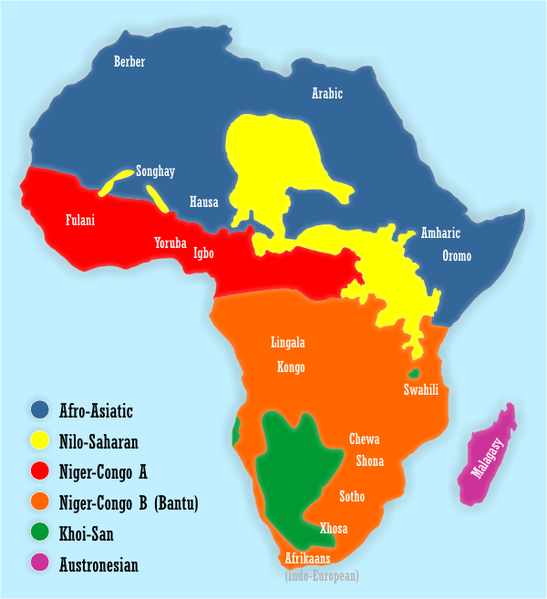
Damien Marie AtHope (Said as “At” “Hope”)/(Autodidact Polymath but not good at math):
Axiological Atheist, Anti-theist, Anti-religionist, Secular Humanist, Rationalist, Writer, Artist, Jeweler, Poet, “autodidact” Philosopher, schooled in Psychology, and “autodidact” Armchair Archaeology/Anthropology/Pre-Historian (Knowledgeable in the range of: 1 million to 5,000/4,000 years ago). I am an anarchist socialist politically. Reasons for or Types of Atheism
My Website, My Blog, & Short-writing or Quotes, My YouTube, Twitter: @AthopeMarie, and My Email: damien.marie.athope@gmail.com